Optimizing Predictive Maintenance and Calibration for Drying Ovens in Laboratories
In the realm of laboratory equipment, drying ovens play a pivotal role in various applications including drying, sterilization, and storage. This article delves into the significance of predictive maintenance and regular calibration, essential for ensuring consistent performance and longevity of drying ovens. Laboratory professionals will benefit from understanding how these practices can enhance operational efficiency and compliance with industry standards.
Understanding the Importance of Predictive Maintenance
Predictive maintenance refers to the strategies and processes used to monitor the condition of equipment to predict when maintenance should be performed. Unlike traditional maintenance approaches that are time-based, predictive maintenance is condition-oriented. It is particularly beneficial for drying ovens, as it minimizes equipment downtime and extends the lifespan of the ovens while maintaining optimal performance.
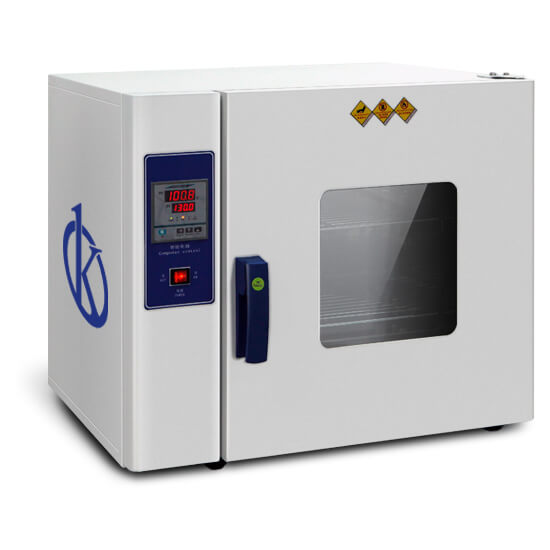
By utilizing data collection methods such as temperature monitoring and performance analytics, laboratory technicians can evaluate the performance of drying ovens like the Electric Heating Drying Stove YR05244. This model, known for its smart microcomputer PID control, offers precise temperature management crucial for achieving accurate drying results.
Recommended Calibration Intervals for Drying Ovens
Calibration is essential for ensuring that drying ovens perform within specified parameters. For laboratory applications, it is essential to establish a calibration schedule that aligns with industry standards. The recommended calibration intervals generally range from quarterly to annually, depending on the frequency of use and specific laboratory requirements.
For instance, the Electric Heating Drying Stove YR05245, with its advanced temperature control features, can be calibrated regularly to ensure it remains within the ±0.1°C precision range mandated by compliance standards. This regular calibration enhances the reliability of results obtained from drying processes.
Key Benefits of Predictive Maintenance in Drying Ovens
Implementing predictive maintenance strategies offers numerous advantages including:
- Reduced Downtime: Regular monitoring can predict failures before they occur, minimizing the downtime associated with equipment failures.
- Cost Efficiency: By addressing issues before they escalate, laboratories can save on repair costs and avoid the expense of replacing equipment.
- Improved Accuracy: Consistent calibration reduces the risk of operational discrepancies, ensuring that drying ovens operate within their optimal temperature ranges.
Strategies for Effective Calibration of Drying Ovens
To ensure the effective calibration of drying ovens, laboratories should adopt the following strategies:
- Utilize Traceable Standards: Employ traceable standards for calibration to comply with regulations such as ISO/IEC 17025.
- Document Calibration Procedures: Maintain detailed documentation of calibration processes and results to provide traceability and accountability.
- Regular Training: Ensure staff are trained in calibration techniques and understand the importance of maintaining accurate equipment.
Comparison of Available Models
| Model | Temperature Range (℃) | Precision (℃) | Voltage (V) | Price (USD) |
|---|---|---|---|---|
| YR05244 | RT+5~250 | ±0.1 | 220 | 295.00 |
| YR05245 | RT+5~250 | ±0.1 | 220 | 364.00 |
| YR05246 | RT+5~250 | ±0.1 | 220 | 486.00 |
| YR05247 | RT+5~250 | ±0.1 | 220 | 598.00 |
| YR05248-A | RT+5~250 | ±1 | 220 | 162.00 |
| YR05249-A | RT+5~250 | ±1 | 220 | 180.00 |
Common Mistakes and How to Avoid Them
Laboratories often encounter pitfalls when managing predictive maintenance and calibration. Common mistakes include:
- Neglecting Documentation: Failing to document calibration results can lead to non-compliance with regulatory standards.
- Infrequent Maintenance Checks: Skipping maintenance checks can result in unexpected failures and costly repairs.
- Overlooking Staff Training: Not training staff on proper equipment use can lead to operational errors and equipment misuse.
Frequently Asked Questions
What are the recommended calibration intervals for drying ovens in laboratories?
Calibration intervals for drying ovens should generally be established based on usage patterns and compliance requirements. For example, models like the YR05246 should be calibrated at least annually to maintain temperature precision and alignment with industry standards.
How can predictive maintenance improve the performance of drying ovens?
Predictive maintenance enhances drying oven performance by anticipating equipment failures before they occur, thus reducing downtime and ensuring consistent operation. Models like the YR05245 benefit significantly from such strategies by ensuring operational reliability.
What are the key features to consider for drying ovens in predictive maintenance?
Key features include temperature control accuracy, data logging for performance analytics, and compatibility with calibration standards. The YR05244 is an excellent example of a model that incorporates advanced PID control for precise temperature management.
How does calibration impact the outcomes of experiments using drying ovens?
Calibration ensures drying ovens operate within specified temperature ranges, which is crucial for experimental accuracy. For instance, the YR05247 model requires regular calibration to maintain its +0.1°C precision, ensuring reliable results.
What documentation is necessary for the calibration of drying ovens?
Documentation should include calibration records, traceability details, and maintenance logs. This is crucial for compliance with standards like ISO/IEC 17025, especially for models such as the YR05248-A.
Which drying oven models are best for high-volume laboratory applications?
For high-volume applications, models like the YR05246 and YR05247 are optimal due to their advanced features and robust performance. They are designed to handle rigorous laboratory demands with precision.
What are common maintenance issues encountered with drying ovens?
Common issues include temperature fluctuations, system failures, and inadequate airflow. Regular predictive maintenance can address these problems, especially in models like the YR05245 that have sophisticated monitoring systems.
How can laboratories ensure compliance with calibration standards for drying ovens?
To ensure compliance, laboratories should follow a strict calibration schedule based on usage, maintain accurate records, and utilize traceable standards. This is particularly important for models like the YR05244, which must align with industry requirements.
In conclusion, adopting best practices in predictive maintenance and calibration is vital for laboratories utilizing drying ovens. By implementing structured approaches and understanding the capabilities of various models, professionals can significantly enhance operational performance and ensure compliance.
If you are looking for a fusion of innovation and quality, you have come to the right place. At Kalstein, we offer you the luxury of exploring our exclusive catalog of laboratory equipment. We manufacture every device to the highest standards of excellence. Our intuitive and seamless online purchasing channels are designed for your convenience, securing the most competitive prices. Hesitate no longer — we bring science to life, it is time to become part of our community.