How to Implement Predictive Maintenance and Recommended Calibration for Veterinary Laparoscopy Systems?
The field of veterinary surgery is rapidly evolving, with laparoscopy systems becoming an essential tool for minimally invasive procedures. To ensure these complex systems operate effectively, it is crucial to implement a strategy for predictive maintenance and regular calibration. This article will delve into the importance of these practices, specifically focusing on available veterinary laparoscopy models and how they can be utilized to optimize performance and safety.
Understanding Predictive Maintenance in Veterinary Laparoscopy
Predictive maintenance involves using data-driven insights to predict equipment failures before they happen. This proactive approach helps in maintaining the functionality and longevity of veterinary laparoscopy systems. Utilizing predictive maintenance can minimize downtime, enhance the reliability of the tools, and reduce repair costs over time.
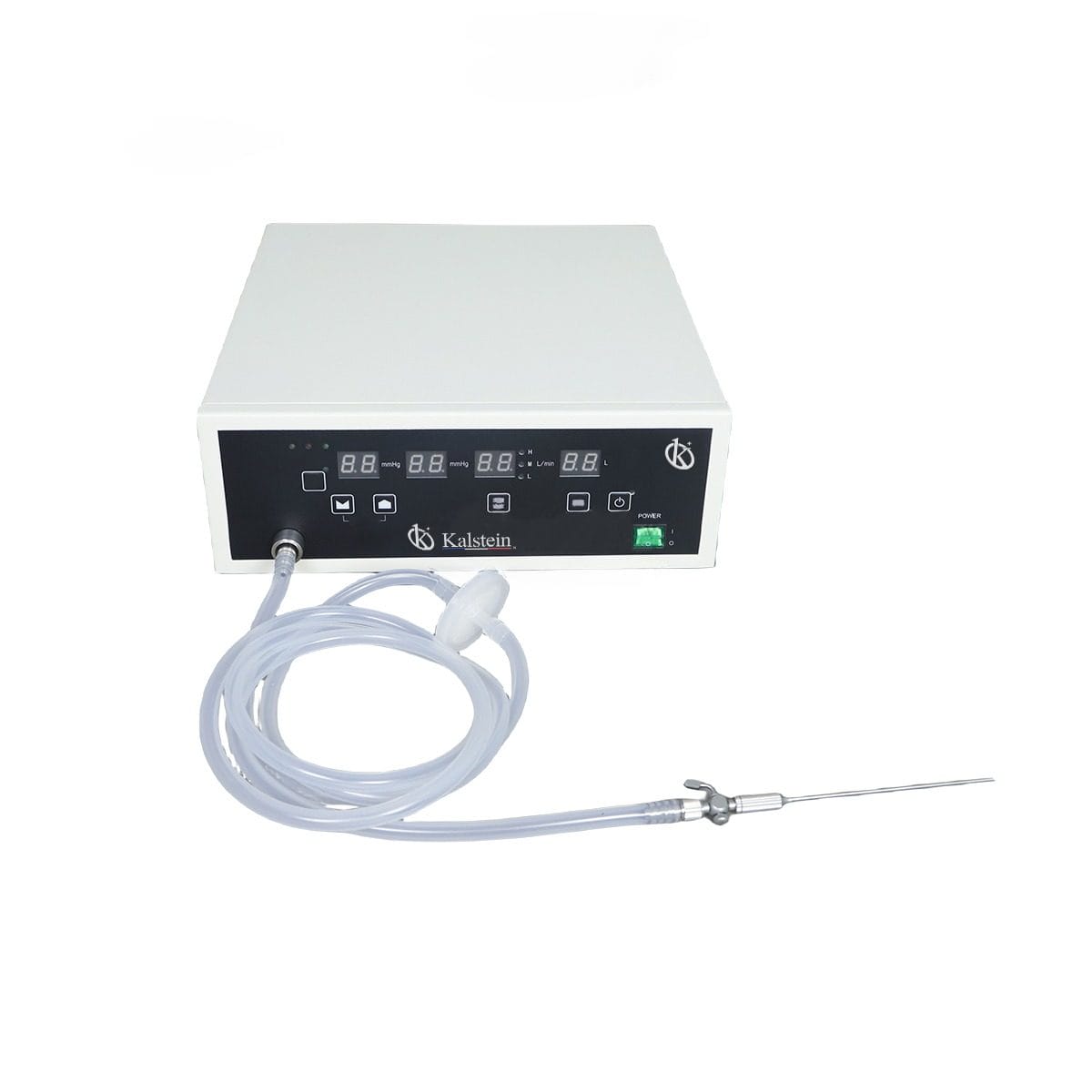
For instance, integrating technology like sensors to monitor the performance of models such as the Veterinary CO2 Insufflator YR06157 can provide real-time data on operating conditions. By analyzing this data, veterinary clinics can foresee potential issues and address them promptly, ensuring continuous operation during critical surgical procedures.
Recommended Calibration Intervals for Laparoscopy Systems
Calibration is a vital part of maintaining the accuracy and reliability of veterinary laparoscopy systems. Regular calibration ensures that the instruments provide precise measurements and operational effectiveness during surgeries. It is recommended that calibration be conducted based on the manufacturer's specifications and at least every 6 to 12 months, depending on usage.
For example, the Veterinary CO2 Insufflator YR06158 has a pressure range of 5~25mmHg, requiring calibration to ensure that it remains within this range for optimal performance. Adhering to a strict calibration schedule can prevent errors during surgical procedures and bolster team confidence in the equipment.
Comparison of Available Models
| Model | Key Features | Best For |
|---|---|---|
| YR06157 | Silent automatic design, three adjustable flow rates (4L/6L/10L), safety alarm | Small animals like dogs and cats |
| YR06156 | Compact high-definition imaging, portable, compatible with various endoscopy types | Flexible surgical environments |
| YR06158 | Touchscreen interface, high flow rate (2L/min-40L/min), reliable safety alarms | Versatile surgical procedures |
Common Mistakes and How to Avoid Them
When managing veterinary laparoscopy systems, common mistakes include neglecting regular maintenance checks, overlooking calibration schedules, and underestimating the importance of proper training for staff. To avoid these pitfalls, it is essential to establish a maintenance calendar that includes predictive maintenance tasks and calibration dates.
Moreover, utilizing models like the Mobile High-Definition Endoscopic Imaging System YR06156, which offers user-friendly controls and portability, can help staff adapt to procedures better, minimizing operational mistakes. Ensuring that all staff are adequately trained on using these systems will also enhance overall surgical outcomes.
The Role of Technology in Predictive Maintenance
Technology plays a significant role in facilitating predictive maintenance practices. Advanced monitoring systems can track the performance of devices such as the Veterinary CO2 Insufflator YR06157, where sensors can detect variations in pressure or flow rates.
Data analytics tools can then interpret this information, helping veterinary professionals make informed decisions on when to perform maintenance or calibration. This technology-driven approach not only improves efficiency but also enhances the safety of surgical procedures.
Implementing a Calibration Plan Template
A well-structured calibration plan is vital for ensuring the reliability of veterinary laparoscopy systems. This plan should include equipment identification, calibration intervals, procedures, and responsibilities. For instance, the calibration plan for the Veterinary CO2 Insufflator YR06158 should document the required settings and acceptable tolerances, ensuring compliance with operational standards.
This template should be regularly updated based on equipment usage and any changes in regulatory requirements, ensuring that the practice remains aligned with industry best practices.
Benefits of Routine Maintenance
Routine maintenance and calibration not only extend the lifespan of veterinary laparoscopy systems but also enhance the quality of surgical outcomes. Regular checks can identify wear and tear before they become significant issues, thus preventing unexpected equipment failures during surgeries.
Furthermore, having a system in place for predictive maintenance allows veterinary practices to allocate resources more efficiently, reducing costs associated with equipment downtime and emergency repairs.
Frequently Asked Questions
How can predictive maintenance enhance the reliability of veterinary laparoscopy systems?
Predictive maintenance can enhance reliability by utilizing data from devices like the Veterinary CO2 Insufflator YR06157 to anticipate failures before they occur, ensuring that equipment is always ready for surgical use.
What are the recommended calibration intervals for the Veterinary Laparoscopy System?
It is generally recommended to calibrate the Veterinary Laparoscopy System models every 6 to 12 months, ensuring precise functionality, particularly for the Veterinary CO2 Insufflator YR06158, which has specific pressure requirements.
Why is regular calibration important for veterinary surgical equipment?
Regular calibration is crucial for ensuring that the equipment operates within specified parameters, enhancing safety during procedures. For example, not calibrating the YR06156 can lead to inaccurate imaging, compromising surgical outcomes.
How does technology support predictive maintenance for veterinary laparoscopy systems?
Technology supports predictive maintenance through real-time monitoring systems that can detect anomalies in equipment performance, such as those seen in the Veterinary CO2 Insufflator YR06157, allowing for timely interventions.
What should be included in a calibration plan for veterinary laparoscopy systems?
A calibration plan should include equipment identification, calibration intervals, procedures, and a record of past calibrations. This ensures compliance and reliability in devices like the Mobile High-Definition Endoscopic Imaging System YR06156.
Which veterinary laparoscopy model is best for small animals?
The Veterinary CO2 Insufflator YR06157 is specifically designed for small animals, offering customizable flow rates and safety features that enhance surgical performance and safety.
How can veterinary practices avoid common mistakes in equipment maintenance?
Veterinary practices can avoid common mistakes by establishing a detailed maintenance schedule, ensuring regular training for staff on equipment operation, and utilizing reliable models like the YR06158.
What impact does routine maintenance have on surgical outcomes?
Routine maintenance significantly impacts surgical outcomes by preventing equipment failures and ensuring that systems like the Veterinary Laparoscopy System operate efficiently, ultimately leading to better patient care.
If you are looking for a fusion of innovation and quality, you have come to the right place. At Kalstein, we offer you the luxury of exploring our exclusive catalog of laboratory equipment. We manufacture every device to the highest standards of excellence. Our intuitive and seamless online purchasing channels are designed for your convenience, securing the most competitive prices. Hesitate no longer — we bring science to life, it is time to become part of our community.