How Regulatory Compliance Shapes Veterinary Laparoscopy Systems
In the field of veterinary surgery, compliance with ISO/IEC standards is paramount, particularly in the implementation and operation of veterinary laparoscopy systems. These systems are designed not only to enhance surgical outcomes but also to meet stringent regulatory requirements that ensure safety, efficacy, and reliability. Understanding how various models stack up against these standards is crucial for veterinary practices aiming for operational excellence.
ISO/IEC Standards and Veterinary Laparoscopy
The ISO/IEC standards relevant to veterinary laparoscopy systems primarily include ISO 17025, which addresses the general requirements for the competence of testing and calibration laboratories. Compliance with these standards ensures that veterinary practices can provide reliable test results and maintain high operational standards.
ISO 15189 also plays a significant role, as it sets the requirements for quality and competence in medical laboratories, which can encompass veterinary practices. Furthermore, IEC 61010 outlines the safety requirements for electrical equipment, which is critical for devices used in veterinary surgery, ensuring both animal and operator safety.
Key Regulatory Compliance Measures
To adhere to these standards, veterinary facilities must implement specific measures, including:
- Regular internal audits to assess compliance with ISO standards.
- Documentation of calibration and maintenance activities.
- Training programs for staff to ensure they are familiar with industry standards.
- Integration of proper monitoring systems that alert to non-compliance.
Comparison of Available Models
| Model | ISO/IEC Clauses Covered | Traceability Features | Best For |
|---|---|---|---|
| YR06157 | ISO 17025, IEC 61010 | Automated pressure monitoring | Small animals like dogs and cats |
| YR06156 | ISO 15189 | Integrated recording and playback | Portable surgical setups |
| YR06158 | IEC 61010 | Touchscreen controls for accuracy | High-flow surgeries requiring visual clarity |
Evaluating Compliance Features of Each Model
Each laparoscopy model offers distinct features that cater to compliance:
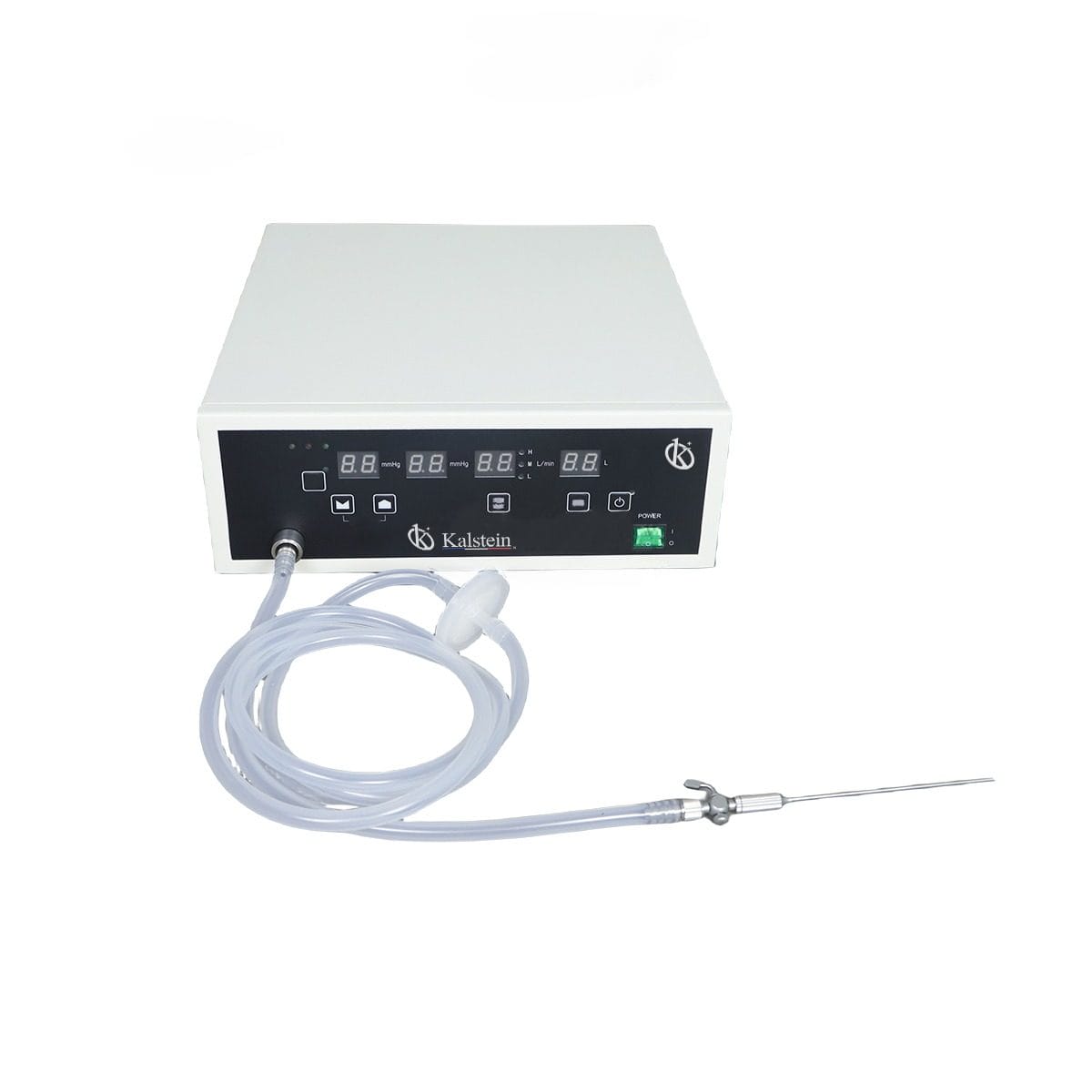
Veterinary CO2 Insufflator YR06157
This model is tailored for small animal surgeries, providing automated alarms for pressure monitoring, ensuring safety during procedures. Its compliance with ISO 17025 ensures that it meets the regulatory requirements of precision and reliability.
Mobile High-Definition Endoscopic Imaging System YR06156
Ideal for portable surgical setups, this model complies with ISO 15189, making it suitable for practices that require high-quality imaging while adhering to stringent laboratory standards.
Veterinary CO2 Insufflator YR06158
Featuring a user-friendly touchscreen interface, this model is designed for high-flow surgeries and meets IEC 61010 standards, ensuring safety and compliance during operations.
Common Mistakes and How to Avoid Them
Veterinary practices often encounter pitfalls regarding compliance:
- Neglecting regular equipment maintenance—establish a strict schedule for calibration and servicing.
- Inadequate documentation practices—develop a rigorous system for tracking compliance-related activities.
- Failing to train staff on compliance—implement ongoing training programs to ensure all personnel are informed about the latest standards.
Frequently Asked Questions
What ISO standards should veterinary laparoscopy systems comply with?
Veterinary laparoscopy systems should comply with several key ISO standards, including ISO 17025 for testing and calibration, and ISO 15189 for medical laboratory quality. For example, models like the YR06157 meet these standards, ensuring reliable results in veterinary practices.
How does regulatory compliance impact the purchasing decision for laparoscopy systems?
Regulatory compliance can significantly influence purchasing decisions as practices must ensure that the equipment they invest in meets specific standards. For instance, the YR06156 model offers features that comply with ISO 15189, making it a sound choice for quality-conscious veterinarians.
Which features in veterinary laparoscopy systems ensure compliance with IEC standards?
Features such as automated monitoring, safety alarms, and user-friendly interfaces are essential for compliance with IEC standards. The YR06158 model showcases these features, ensuring safe operation during surgical procedures.
How often should veterinary laparoscopy systems be calibrated for compliance?
Calibration frequency depends on the model and its usage, but generally, veterinary laparoscopy systems should be calibrated at least annually. The YR06157 model includes automated alarms to assist in maintaining compliance during routine checks.
What documentation is required for ISO compliance in veterinary practices?
Documentation should include calibration records, maintenance logs, and training certificates. Using models like YR06156, which facilitate integrated recording, can help streamline the documentation process, ensuring compliance with ISO 15189.
How can veterinary practices ensure ongoing compliance with ISO/IEC standards?
Veterinary practices can ensure ongoing compliance by conducting regular internal audits, maintaining comprehensive records, and staying updated on changes in ISO/IEC standards. Models like YR06158 provide features that support these compliance efforts effectively.
What are the benefits of investing in ISO compliant veterinary laparoscopy systems?
Investing in ISO compliant veterinary laparoscopy systems enhances patient safety, improves surgical outcomes, and builds trust with clients. The YR06157 model is a prime example of how compliance translates into operational effectiveness in small animal surgeries.
How does compliance with ISO standards affect the overall cost of veterinary laparoscopy systems?
While compliance may initially raise costs due to the need for quality equipment and training, it ultimately reduces long-term expenses related to errors and inefficiencies. Models like YR06156 offer a balance of quality and compliance to ensure a strong return on investment.
If you are looking for a fusion of innovation and quality, you have come to the right place. At Kalstein, we offer you the luxury of exploring our exclusive catalog of laboratory equipment. We manufacture every device to the highest standards of excellence. Our intuitive and seamless online purchasing channels are designed for your convenience, securing the most competitive prices. Hesitate no longer — we bring science to life, it is time to become part of our community.