ROI and Cost-Benefit Analysis for Veterinary Laparoscopy Systems
In the realm of veterinary practices, the decision to invest in advanced surgical technologies such as Veterinary Laparoscopy Systems must be backed by a thorough understanding of return on investment (ROI) and cost-benefit analysis. With the growing demand for minimally invasive procedures, it becomes essential for veterinary professionals to evaluate how these systems can enhance their operational efficiency while improving patient outcomes.
Understanding the Financial Implications of Veterinary Laparoscopy Systems
Investing in veterinary laparoscopy systems means more than just purchasing equipment; it requires a comprehensive analysis of financial implications and potential returns. The key components to consider are the initial capital expenditure (CAPEX), ongoing operational expenditure (OPEX), and the anticipated revenue generated from increased procedural capacity.
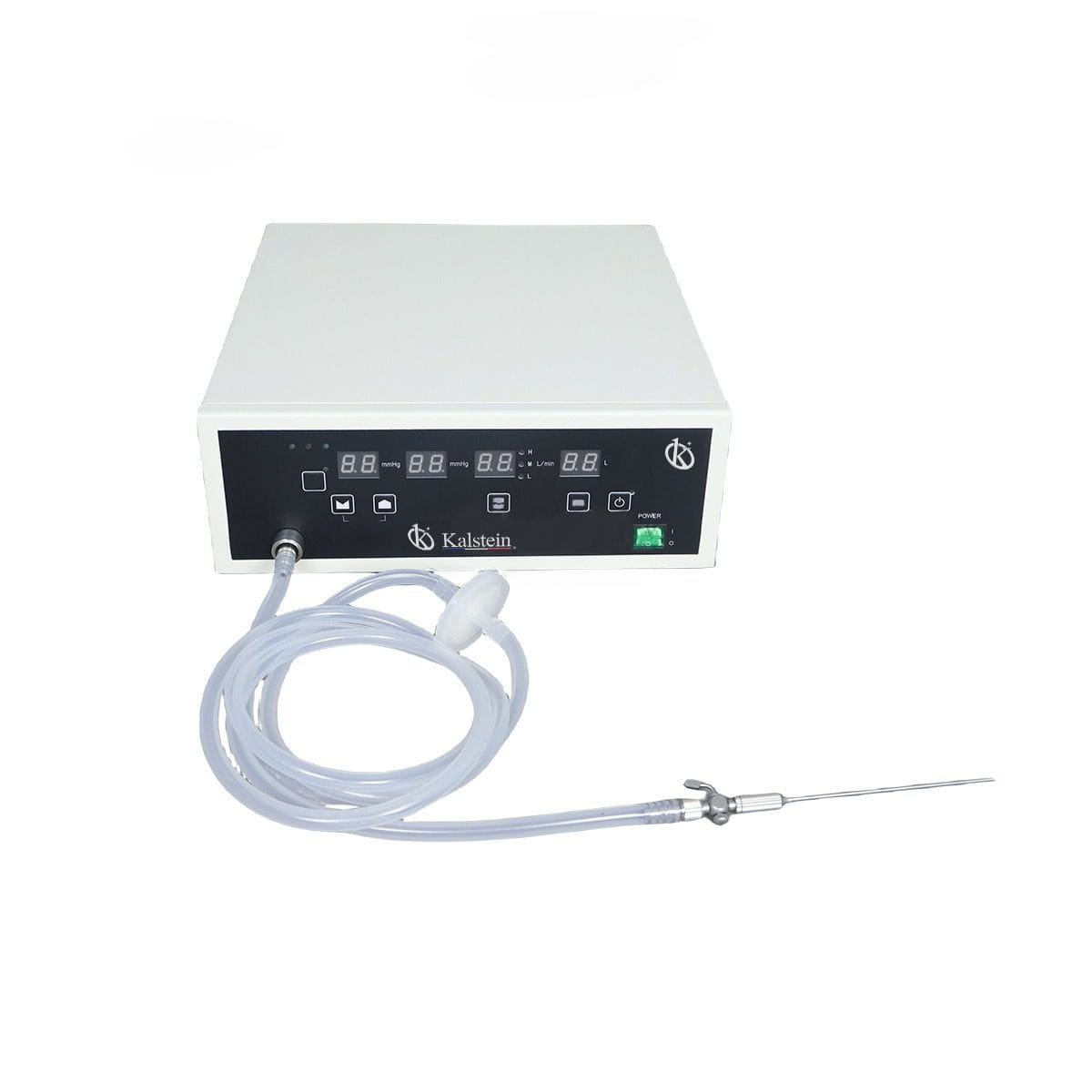
Veterinary practices that utilize laparoscopy systems, such as the Veterinary CO2 Insufflator YR06157 and Mobile High-Definition Endoscopic Imaging System YR06156, can expect to see significant improvements in surgical outcomes and client satisfaction, which ultimately contribute to better financial health. With the right analysis, practices can determine optimal pricing structures for procedures and calculate expected payback periods.
Investment Comparison of Key Veterinary Laparoscopy Models
In this section, we will compare three major models of Veterinary Laparoscopy Systems, focusing on their cost, functionality, and overall ROI potential.
| Model | CAPEX (USD) | Cost per Procedure (USD) | Payback Period (Months) | Best Use Scenario |
|---|---|---|---|---|
| YR06157 | 1900.00 | 80.00 | 12 | Small Animal Surgeries |
| YR06156 | 7700.00 | 200.00 | 18 | Advanced Imaging in Various Procedures |
| YR06158 | 3000.00 | 120.00 | 14 | General Laparoscopic Surgeries |
Common Mistakes in Evaluating ROI for Veterinary Laparoscopy Systems
One of the most frequent errors that veterinary practices make when assessing the ROI of laparoscopy systems is underestimating the total costs associated with ownership. Practices often focus solely on CAPEX without considering OPEX, such as maintenance, consumables, and training costs. Additionally, failing to project the revenue from enhanced service offerings can lead to misguided financial decisions.
Another mistake is neglecting to assess the comparative advantages of various models. For instance, while the YR06156 offers high-definition imaging, its higher initial cost may not be justified for all practices. Understanding patient volume and procedure complexity can guide smarter purchases.
Key Performance Indicators for Evaluating Surgical Systems
When analyzing the cost-benefit of veterinary laparoscopy systems, it's important to define key performance indicators (KPIs). Metrics such as the number of procedures performed per month, average revenue per procedure, and patient recovery times can provide invaluable insights into the efficacy of the system.
For instance, practices utilizing the Veterinary CO2 Insufflator YR06158 can expect improved surgical visibility and efficiency, potentially translating into quicker recovery times and higher patient throughput. Tracking these KPIs will help practices refine their operational workflows and enhance financial performance.
Long-Term Financial Considerations and Sustainability
As veterinary practices aim for long-term sustainability, assessing the environmental impact and energy consumption of surgical equipment becomes critical. For example, systems such as the YR06158 may offer energy-efficient features that reduce operational costs over time.
Moreover, practices should consider the longevity of the equipment and the potential for technological advancements. Investing in systems that can incorporate future upgrades will ensure practices remain competitive and financially sound.
Comparison of Available Models
| Model | Features | Best for |
|---|---|---|
| YR06157 | Automatic operation, adjustable flow rates, pressure alarms | Small animal surgeries, especially in confined spaces |
| YR06156 | Portable, full HD imaging, integrated recording | Advanced imaging solutions for complex surgeries |
| YR06158 | Touchscreen, high flow rate, long lifespan | General laparoscopic procedures across animal sizes |
Frequently Asked Questions
How can I calculate the ROI for a Veterinary Laparoscopy System investment?
To calculate the ROI of a Veterinary Laparoscopy System investment, consider the total initial costs (CAPEX) against the expected revenue generated from procedures. For example, if you invest in the YR06157 model for $1900 and expect to perform 30 procedures at $80 each, you can expect a gross income of $2400, resulting in a payback period of about 12 months.
What are the operational costs associated with Veterinary Laparoscopy Systems?
Operational costs for Veterinary Laparoscopy Systems may include maintenance, consumables, training, and utilities. For instance, using the YR06158 model, you might spend around $120 per procedure on consumables. Understanding these expenses is crucial for a comprehensive cost-benefit analysis.
Which Veterinary Laparoscopy System is best for small animal surgeries?
The YR06157 is particularly suited for small animal surgeries due to its automatic operation and adjustable flow rates. Its design allows for effective CO2 insufflation in confined surgical spaces, making it an excellent choice for practices focusing on small pets.
What features should I prioritize in a Veterinary Laparoscopy System?
When choosing a Veterinary Laparoscopy System, prioritize features such as ease of use, imaging quality, and reliability. The YR06156 offers exceptional HD imaging and portability, making it ideal for varied surgical environments. Assessing your specific needs will guide your decision.
How do I determine the best use scenario for different Veterinary Laparoscopy Systems?
Determining the best use scenario involves analyzing the types of procedures performed at your practice. For example, the YR06158 is versatile and suitable for general laparoscopic surgeries, while the YR06156 excels in advanced imaging for complex procedures. Evaluate your surgical volume and complexity to make an informed choice.
Why is long-term sustainability important in Veterinary Laparoscopy Systems?
Long-term sustainability in Veterinary Laparoscopy Systems is vital for financial health and environmental responsibility. Systems like the YR06158 that emphasize energy efficiency can reduce operational costs over time. Additionally, investing in equipment with upgrade potential ensures your practice stays competitive and innovative.
What is the expected lifespan of Veterinary Laparoscopy Systems?
The expected lifespan of Veterinary Laparoscopy Systems generally ranges from 5 to 10 years, depending on usage and maintenance. Investing in durable models like the YR06156 can help maximize longevity. Regular servicing and adherence to operational guidelines can further extend the life of your equipment.
If you are looking for a fusion of innovation and quality, you have come to the right place. At Kalstein, we offer you the luxury of exploring our exclusive catalog of laboratory equipment. We manufacture every device to the highest standards of excellence. Our intuitive and seamless online purchasing channels are designed for your convenience, securing the most competitive prices. Hesitate no longer — we bring science to life, it is time to become part of our community.