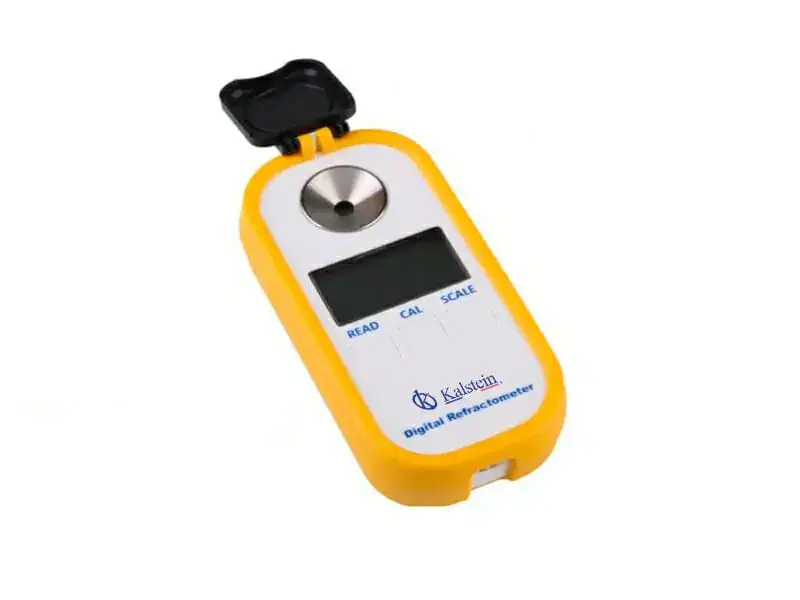
Understanding ROI and Cost-Benefit Analysis for Digital BRIX Refractometers
In laboratory settings, the acquisition of efficient and precise measurement devices is crucial. Digital BRIX refractometers are essential tools for measuring the concentration of soluble solids in various solutions. Understanding the return on investment (ROI) and conducting a thorough cost-benefit analysis for these devices can significantly enhance operational efficiency and reduce expenses. This article will provide a detailed examination of the ROI associated with several models of Digital BRIX refractometers, their applications, and specific scenarios where they excel.
Digital BRIX Refractometers: Maximizing ROI in Laboratory Settings
The primary function of Digital BRIX refractometers, such as the YR05944, YR05945, and YR05946, is to measure the concentration of sugars and other soluble solids in aqueous solutions. These instruments are invaluable in industries such as food and beverage, where accurate concentration measurements are critical. By understanding the costs associated with these devices and their operational benefits, laboratories can make informed purchasing decisions that yield high returns.
Laboratories often face challenges in justifying the cost of new equipment. A well-structured cost-benefit analysis can provide clear insights into the financial advantages of investing in Digital BRIX refractometers. Key factors to consider include initial acquisition costs, operational costs, maintenance, and potential savings from increased accuracy and efficiency.
Key Factors Affecting ROI
When assessing the ROI from the acquisition of Digital BRIX refractometers, several factors come into play:
- Initial Costs: The upfront price of models such as YR05944 ($76), YR05945 ($95), and others must be compared against expected savings.
- Operational Efficiency: Improved accuracy leads to better quality control and reduced waste, directly impacting profit margins.
- Maintenance and Calibration: Regular calibration and maintenance costs can affect long-term ROI, especially in high-utilization environments.
- Automation and Integration: The ability to integrate these devices with other laboratory systems can further enhance efficiency.
Cost-Benefit Analysis Breakdown
To conduct a cost-benefit analysis, it is essential to establish a framework that quantifies the benefits of using Digital BRIX refractometers versus the associated costs. Below is an example breakdown that illustrates potential benefits and costs over a typical operational period:
| Model | Initial Cost (USD) | Annual Maintenance Cost (USD) | Estimated Savings/Year (USD) | ROI (%) |
|---|---|---|---|---|
| YR05944 | $76 | $10 | $200 | 265.79% |
| YR05945 | $95 | $12 | $250 | 255.26% |
| YR05946 | $95 | $12 | $300 | 293.68% |
Comparison of Available Models
| Model | Measurement Range | Precision | Best For |
|---|---|---|---|
| YR05944 | Brix: 0.0-50.0% | ±0.2% | Fruit juices, syrups |
| YR05945 | Brix: 0.0-90.0% | ±0.2% | High-sugar solutions |
| YR05946 | Refractive Index: 1.3330-1.5177nD | ±0.0003nD | Various aqueous solutions |
| YR05947 | Dextran: 0.0-10.6% | ±0.2% | Dextran analysis |
| YR05948 | Fructose: 0.0-68.9% | ±0.2% | Fructose solutions |
| YR05949 | Glucose: 0.0-59.9% | ±0.2% | Glucose analysis |
Common Mistakes and How to Avoid Them
When investing in Digital BRIX refractometers, laboratories often make common mistakes that can hinder their ROI:
- Neglecting Calibration: Regular calibration is essential for maintaining accuracy and precision. Ensure a schedule is set to perform calibrations to avoid misleading readings.
- Not Considering Integration: Failing to integrate refractometers into existing systems can lead to inefficiencies. Always consider models that offer connectivity for data management.
- Overlooking Training Needs: Without proper training on the use of these devices, staff may not utilize them effectively. Invest in training to maximize the benefits.
Frequently Asked Questions
What are the key benefits of using Digital BRIX Refractometers in laboratories?
Digital BRIX Refractometers offer enhanced accuracy in measuring sugar concentrations, crucial for quality control in beverages and food production. For instance, the YR05945 model provides a measurement range of 0.0-90.0% Brix, ensuring precise results that can lead to improved product quality and reduced operational costs.
How do I calculate the ROI for Digital BRIX Refractometers?
To calculate the ROI, divide the net profit from using the refractometer by the total costs of the device over a specific period. For example, if the YR05944 costs $76 and saves $200 per year, the ROI would be 265.79%, offering a clear justification for its purchase.
Which Digital BRIX Refractometer model is best for measuring high-sugar solutions?
The YR05945 model is particularly suited for high-sugar solutions with a measurement range of 0.0-90.0% Brix. This makes it ideal for applications in syrup production and fruit juice analysis where accurate sugar concentration is critical.
What maintenance is required for Digital BRIX Refractometers?
Regular maintenance, including cleaning and calibration, is essential for all models, including YR05946. It's important to follow the manufacturer's guidelines, typically requiring periodic checks to ensure accuracy and reliability in measurements.
How can I enhance the efficiency of my laboratory with Digital BRIX Refractometers?
Integrating Digital BRIX Refractometers like the YR05944 with laboratory information management systems (LIMS) can streamline data collection and analysis, enhancing workflow efficiency. Automation reduces manual errors and accelerates testing times.
What factors should I consider when choosing a Digital BRIX Refractometer?
When selecting a Digital BRIX Refractometer, consider the measurement range, precision, and the specific types of solutions you will be testing. Models like the YR05947 are excellent for dextran solutions, while the YR05948 is tailored for fructose.
What impact does temperature have on the accuracy of Digital BRIX Refractometers?
Temperature fluctuations can significantly affect measurement accuracy. Models like the YR05944 feature automatic temperature compensation (ATC), ensuring that readings remain accurate across a temperature range of 0-40°C, which is crucial for reliable results.
Is there a significant cost difference between various Digital BRIX Refractometer models?
Yes, there is a cost variance among models. For instance, the YR05944 is priced at $76, while the YR05945 is $95. The choice depends on the specific measurement needs and operational requirements of your laboratory.
If you are looking for a fusion of innovation and quality, you have come to the right place. At Kalstein, we offer you the luxury of exploring our exclusive catalog of laboratory equipment. We manufacture every device to the highest standards of excellence. Our intuitive and seamless online purchasing channels are designed for your convenience, securing the most competitive prices. Hesitate no longer — we bring science to life, it is time to become part of our community.