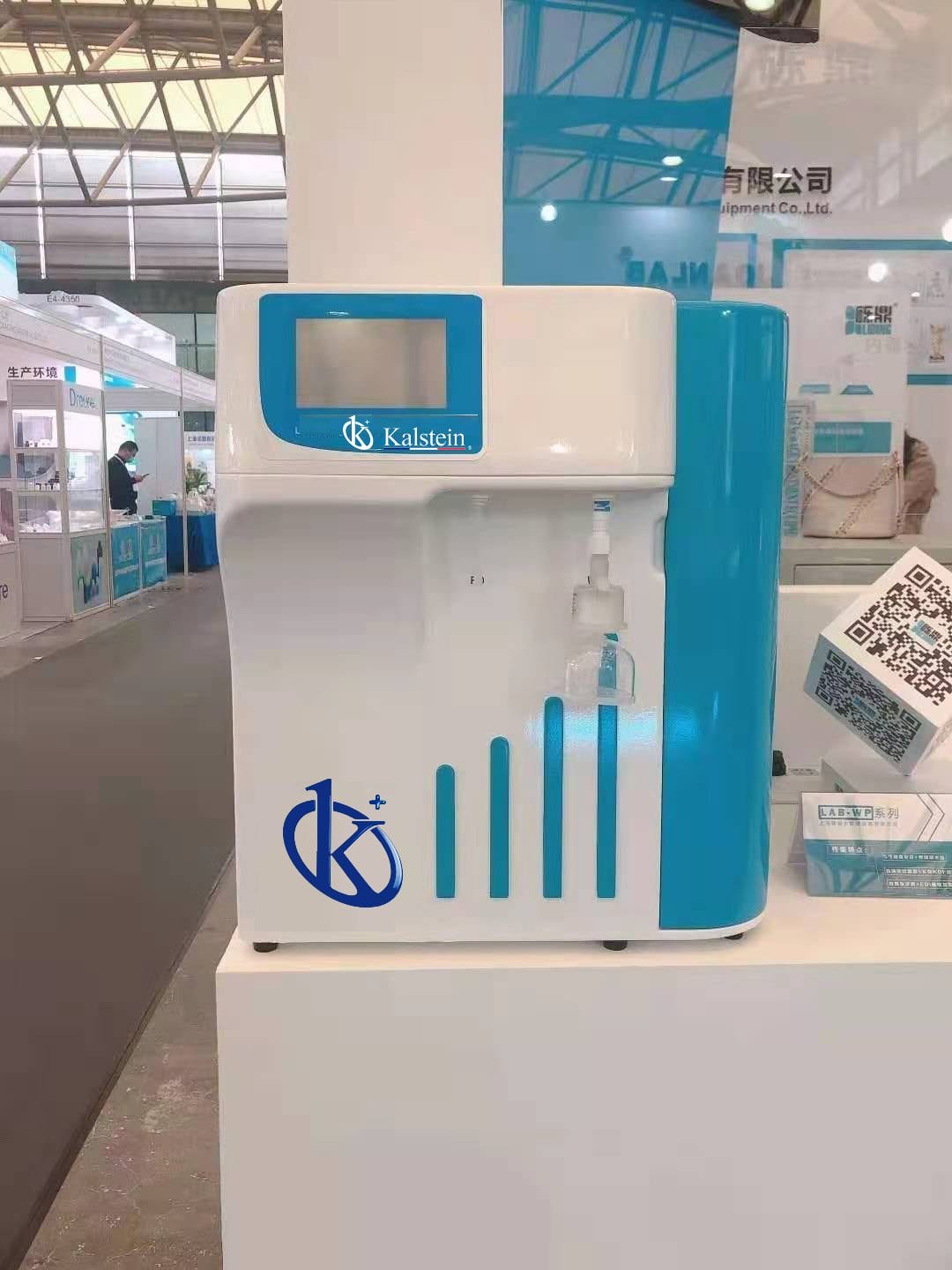
Understanding Water Purification Measurements with the YR55-3
The YR55-3 water purification system provides critical measurement insights for ensuring high-quality water output. This article delves into the interpretation of results and reading of measurements specific to the YR55-3, focusing on the features that facilitate accurate monitoring and evaluation. With detailed sections on technical specifications, operational principles, and practical applications, users will gain a comprehensive understanding necessary for optimal operation.
Technical Specifications of the YR55-3
| Specification | Details |
|---|---|
| Model | YR55-3 |
| Water Source | Urban tap water, input pressure: 0.15-0.5MPa, water temperature 5-40°C |
| Flow Rate | 1.5-2L/min (with pressure barrel) |
| Machine Capacity | 15 L/H |
| Output Water Quality | RO Water: Conductivity 1-5 μS/cm (Type III ASTM); UP Water: Resistivity 18.25MΩ.cm@25°C (Type I ASTM) |
Principles of Operation
The YR55-3 operates via a comprehensive purification process that includes various technologies to ensure high water quality. The system combines the production of pure and ultra-pure water, eliminating the need for upstream pretreatment stages. This efficiency is critical in laboratory settings where water quality impacts experimental integrity. The system harnesses advanced filtration techniques and monitoring systems to provide real-time feedback on water purity.
Understanding the principles behind water treatment is vital for users aiming to interpret results effectively. The YR55-3 employs a series of cartridges designed to eliminate specific contaminants, allowing for detailed measurement of ionic concentration and total organic carbon (TOC).
Reading Measurements and Interpretation of Results
The YR55-3 features a user-friendly graphical interface that simplifies the reading of crucial measurements such as resistivity, ionic concentration, and TOC levels. The resistance measurement, for example, directly correlates to water purity; higher resistance indicates purer water. Users must be adept at interpreting these metrics to ensure that the water meets required laboratory standards.
Common misinterpretations include neglecting the significance of temperature adjustments on resistivity readings. As temperature increases, resistivity may decrease, which can lead to inaccurate assessments of water quality. Proper training and understanding of these parameters are essential for accurate measurement interpretation.
Common Measurement Errors and Troubleshooting
While using the YR55-3, operators may encounter several measurement errors that can mislead evaluations. Typical symptoms include fluctuating readings or error codes, which can arise from various factors such as cartridge saturation or improper calibration. Understanding these symptoms is crucial for effective troubleshooting.
| Symptom | Potential Cause | Solution |
|---|---|---|
| Inconsistent Readings | Cartridge needs replacement | Replace the cartridge with a new one |
| Error Code E-03 | Electrical fault or connection issue | Check connections and power supply |
Applications in Various Sectors
The YR55-3 is versatile, serving multiple sectors including clinical, industrial, and educational applications. Each sector has unique requirements when it comes to water quality, and the YR55-3's adaptability allows users to configure the system to meet specific needs.
In clinical labs, for example, the YR55-3 is essential for producing ultra-pure water needed for sensitive assays. In industrial settings, the machine ensures consistent water quality essential for manufacturing processes. Understanding these applications helps users to tailor their usage strategies effectively.
Frequently Asked Questions
What are the key indicators of water purity displayed by the YR55-3?
The YR55-3 displays several key indicators, including resistivity, ionic concentration, and total organic carbon (TOC) levels. These metrics are crucial for assessing water quality in laboratory environments.
How can I ensure accurate readings from the YR55-3?
To ensure accurate readings, regularly calibrate the system and replace cartridges as needed. Additionally, monitor environmental conditions such as temperature which can affect measurements.
What maintenance is required for the YR55-3?
Regular maintenance includes checking and replacing the purification cartridges, cleaning the system, and ensuring proper calibration. Following the manufacturer's guidelines ensures optimal performance.
How does the YR55-3 compare to other purification systems?
Compared to other systems, the YR55-3 offers a compact design that combines both pure and ultra-pure water production without the need for additional pretreatment. This makes it a unique solution in laboratory settings.
What common problems can I expect with the YR55-3?
Common issues include error codes, fluctuating measurements, and cartridge saturation. Understanding these problems and their solutions is essential for maintaining the system's effectiveness.
If you are looking for a fusion of innovation and quality, you have come to the right place. At Kalstein, we offer you the luxury of exploring our exclusive catalog of laboratory equipment. We manufacture every device to the highest standards of excellence. Our intuitive and seamless online purchasing channels are designed for your convenience, securing the most competitive prices. Hesitate no longer — we bring science to life, it is time to become part of our community.