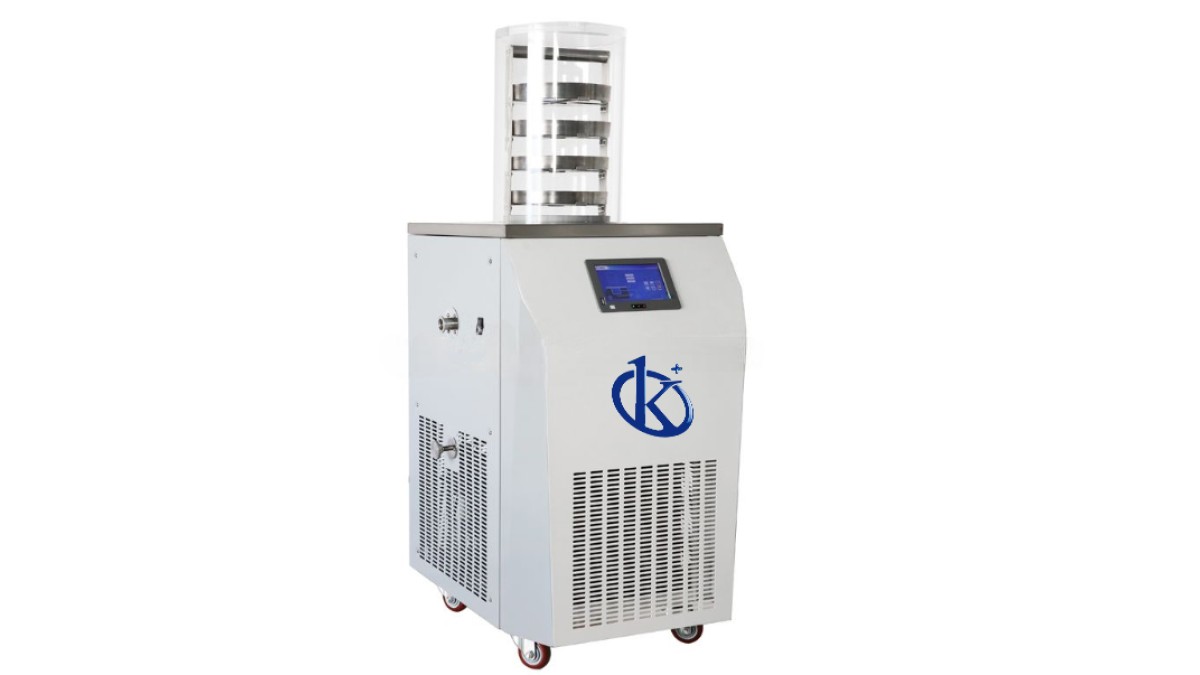
Vertical Laboratory Freeze Dryers: Common Mistakes and How to Avoid Them in Daily Operations 2026
Vertical laboratory freeze dryers are essential equipment in various fields, including pharmaceuticals, biological research, and food processing. In 2026, understanding how to effectively use these devices while avoiding common operational mistakes is crucial for laboratory professionals.
What is it used for in 2026
Vertical laboratory freeze dryers are primarily used to remove moisture from samples without affecting their biochemical properties. In 2026, they are widely utilized in pharmaceuticals for lyophilizing drugs, in biological laboratories for preserving sensitive samples, and in food processing for creating long-lasting food products. The ability to preserve essential characteristics while extending shelf life makes them invaluable in modern laboratories.
History and evolution of the technology
The technology behind freeze drying has evolved significantly since its inception in the early 20th century. Initially, freeze dryers were rudimentary, relying on basic vacuum techniques. Over time, innovations such as improved vacuum pumps and temperature control systems have enhanced efficiency and reliability. Modern vertical laboratory freeze dryers, such as the YR05198, YR05199, YR05200, YR05201, YR05985-1, and YR05985-2, incorporate advanced features that streamline the lyophilization process, making it more accessible and effective than ever.
How to use it step by step
Using a vertical laboratory freeze dryer involves several key steps:
- Preparation: Ensure that the sample is appropriately prepared and placed in suitable containers.
- Set Up: Connect the freeze dryer to a power source and ensure all components are functioning.
- Loading the Samples: Carefully load the samples into the drying chamber, ensuring proper airflow between them.
- Setting Parameters: Program the required parameters, including temperature and vacuum levels based on your specific requirements.
- Start the Cycle: Initiate the freeze-drying process and monitor the device throughout the cycle.
- Post-Processing: Once the cycle is complete, carefully remove the samples and store them according to the lab protocols.
Best techniques and protocols
To maximize the efficiency of vertical freeze dryers, it is essential to follow best practices:
- Sample Uniformity: Ensure that samples are uniform in size and thickness to promote even drying.
- Pre-freezing: Pre-freeze samples before placing them in the dryer to facilitate faster and more effective moisture removal.
- Vacuum Optimization: Regularly check and optimize the vacuum level to enhance drying efficiency.
- Temperature Regulation: Carefully monitor temperature settings to prevent sample degradation.
Practical applications by laboratory type
Vertical laboratory freeze dryers find applications across multiple laboratory types:
- Pharmaceutical Labs: Used for lyophilizing drugs to increase their stability.
- Biological Research: Preserves biological samples like cells and tissues without losing viability.
- Food Technology: Ideal for creating dehydrated fruits and vegetables while retaining flavor and nutrients.
Regulations, standards and certifications
In 2026, laboratories must adhere to specific regulations and standards when using freeze dryers. Compliance with Good Manufacturing Practice (GMP) guidelines is essential in pharmaceutical applications, ensuring product safety and efficacy. Additionally, ISO certifications related to quality management systems may apply to laboratories utilizing these devices.
Comparison with alternative technologies
While vertical freeze dryers are highly effective, they are not the only option for moisture removal. Other technologies include spray drying and oven drying. Each method has its advantages and disadvantages:
- Spray Drying: Faster but may lead to loss of volatile compounds.
- Oven Drying: Simple but can cause thermal degradation of sensitive materials.
- Freeze Drying: Retains biochemical integrity, making it the preferred choice for sensitive samples.
Comparison of available models
| Model | Best for | Key specs | Recommended use case |
|---|---|---|---|
| YR05198 | Routine laboratory use | 6 kg/24h, 1800W | General lyophilization tasks in laboratories. |
| YR05199 | Medium-scale applications | 6 kg/24h, 1800W | Suitable for pharmaceutical lyophilization. |
| YR05200 | Small batch production | 6 kg/24h, 1800W | Ideal for research-focused laboratories. |
| YR05201 | Advanced applications | 6 kg/24h, 1800W | For high-value pharmaceutical products. |
| YR05985-1 | Large-scale fruit and vegetable processing | ≥10 kg/24h, 16800.00 USD | Best for food preservation. |
| YR05985-2 | Industrial applications | ≥15 kg/24h, 21000.00 USD | For high-volume food processing. |
Common mistakes and how to avoid them
Many laboratory professionals encounter issues while operating freeze dryers. Here are common mistakes and tips to avoid them:
- Overloading the Chamber: Do not overcrowd samples; this can hinder airflow and affect drying efficiency.
- Ignoring Temperature Settings: Always verify temperature settings to prevent sample damage.
- Failing to Maintain the Equipment: Regular maintenance is crucial for optimal performance. Schedule routine checks and cleaning.
Maintenance, calibration and good practices 2026
In 2026, maintaining and calibrating freeze dryers is essential for consistent performance:
- Routine Cleaning: Clean the interior and exterior regularly to prevent contamination.
- Calibration Checks: Routinely calibrate the temperature and vacuum sensors to ensure accuracy.
- Documentation: Keep detailed records of maintenance activities to track performance trends.
Cost-benefit analysis 2026
Investing in a vertical laboratory freeze dryer can be significant, but the long-term benefits often outweigh the costs. Considerations include:
- Initial Investment: Models range from approximately $4,000 to $21,000.
- Long-term Savings: Reduced sample waste and extended shelf-life lead to financial savings over time.
- Enhanced Product Quality: Maintaining the integrity of sensitive samples can improve research outcomes and product reliability.
Frequently asked questions
What factors should I consider when choosing a freeze dryer?
Consider the sample type, volume, and specific applications. Evaluate capacity, drying speed, and temperature range to ensure the model meets your laboratory needs.
Can I use a freeze dryer for all types of samples?
While freeze dryers are versatile, some materials may not be suitable for freeze drying. Consult guidelines specific to your samples before use.
How often should I perform maintenance on my freeze dryer?
Routine maintenance should be scheduled based on usage frequency, ideally every few months, or as recommended by the manufacturer.
What are the signs that my freeze dryer needs servicing?
Signs include unusual noises, inconsistent drying times, or failure to achieve set temperatures. If these occur, service the unit promptly.
How can I ensure optimal drying results?
Ensure even sample distribution, maintain optimal vacuum levels, and follow recommended pre-freezing methods to improve drying efficiency.
Is training required to operate a freeze dryer effectively?
Yes, proper training is essential to understand the equipment's features and functionalities, which helps avoid common mistakes.
How do I know if my samples are lyophilized correctly?
Check the appearance and weight of your samples. Properly lyophilized samples should be dry, lightweight, and maintain their original structure.
If you are looking for a fusion of innovation and quality, you have come to the right place. At Kalstein, we offer you the luxury of exploring our exclusive catalog of laboratory equipment. We manufacture every device to the highest standards of excellence. Our intuitive and seamless online purchasing channels are designed for your convenience, securing the most competitive prices. Hesitate no longer — we bring science to life, it is time to become part of our community.