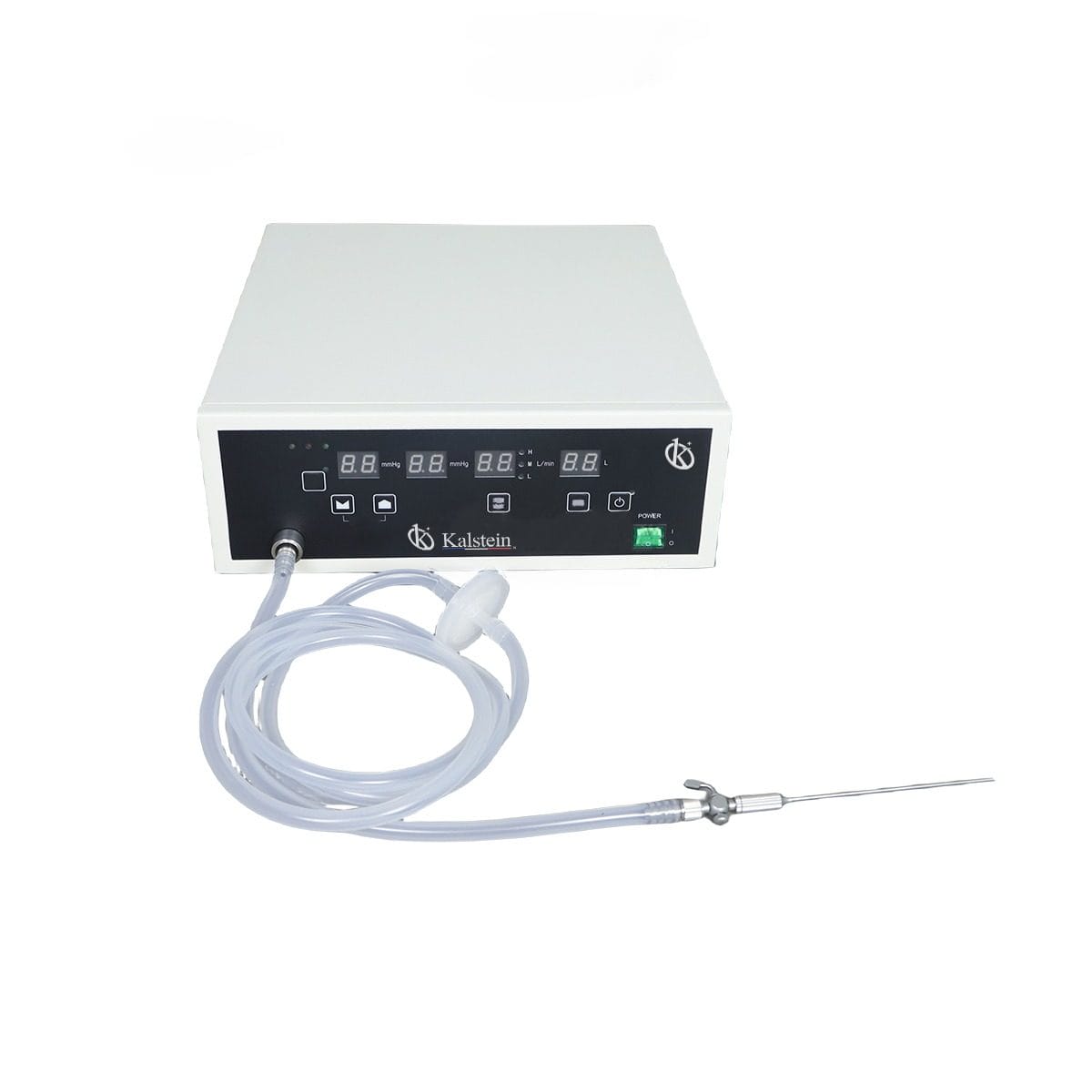
How Can Veterinary Laparoscopy Systems Enhance Energy Sustainability?
As the veterinary field increasingly prioritizes sustainability, the adoption of energy-efficient technologies becomes paramount. Veterinary laparoscopy systems serve not only clinical needs but also play a crucial role in minimizing energy consumption and reducing environmental footprints. This article delves into how these systems can meet modern sustainability standards.
Understanding Energy Sustainability in Veterinary Practices
Energy sustainability encompasses practices that reduce energy consumption and reliance on non-renewable energy sources. In veterinary medicine, energy-efficient technologies can significantly lower operational costs while reducing the environmental impact. The implementation of sustainable practices in veterinary laparoscopy ensures that surgical interventions are not only effective but also eco-friendly.
Comparative Analysis of Veterinary Laparoscopy Systems
This section compares various models of veterinary laparoscopy systems, focusing on their energy efficiency and sustainability features.
| Model | Energy Consumption (W) | Flow Rate (L/min) | Best For | Price (USD) |
|---|---|---|---|---|
| YR06157 | 40 | 4-10 | Small Animal Surgery | 1900.00 |
| YR06156 | ≥30 | N/A | Imaging and Lighting | 7700.00 |
| YR06158 | 40 | 2-40 | High-Volume Surgeries | 3000.00 |
Key Features Enhancing Energy Efficiency
Each model of the veterinary laparoscopy systems mentioned incorporates features that enhance energy efficiency. For instance, the YR06157 model offers adjustable flow rates from 4L to 10L, making it adaptable to the requirements of small animal surgeries while conserving CO2 usage. Additionally, the YR06156 model integrates high-definition imaging technology with low power consumption, making it ideal for varied field applications.
Reducing Waste and Resource Consumption
Energy sustainability in veterinary practices extends beyond energy usage; it includes reducing waste and resource consumption. Implementing a laparoscopic system means minimizing surgical waste and improving recovery times, which reduces the overall environmental footprint. For example, with proper CO2 insufflation, procedures can be performed with minimal disruption to surrounding tissues, leading to less waste.
Lifecycle Assessment of Veterinary Laparoscopy Systems
A lifecycle assessment (LCA) evaluates the environmental impact of each stage of a product's life. In the case of veterinary laparoscopy systems, from production and usage to disposal, it’s crucial to consider how each model ranks in terms of sustainability. The YR06158 model, with its long lifespan and low operational noise, demonstrates an effective approach to maintaining energy efficiency over its lifecycle.
Common Mistakes and How to Avoid Them
One common mistake in adopting energy-efficient technologies is underestimating the importance of training personnel on their usage. Proper training ensures that systems like the YR06156 are utilized to their full potential, maximizing their energy-saving capabilities. Furthermore, failing to perform routine maintenance can lead to inefficiencies; thus, setting up a preventive maintenance schedule is essential.
Frequently Asked Questions
How do veterinary laparoscopy systems contribute to energy sustainability?
Veterinary laparoscopy systems, such as the YR06157, enhance energy sustainability through efficient CO2 usage and minimal waste generation during procedures. These systems optimize surgical processes while conserving resources and reducing the environmental impact.
What are the energy consumption levels of popular veterinary laparoscopy systems?
The energy consumption levels vary by model, with the YR06157 and YR06158 consuming around 40 watts, while the YR06156 operates efficiently at over 30 watts, maximizing energy efficiency in surgical settings.
Which veterinary laparoscopy model is best for high-volume surgeries?
The YR06158 model is particularly suited for high-volume surgeries, providing a flow rate of 2-40L/min and maintaining energy efficiency, thus meeting the demands of busy veterinary practices.
How can veterinary practices reduce their environmental footprint?
Practices can reduce their environmental footprint by investing in sustainable technologies like the YR06156 for imaging and lighting, which consume less power while enhancing surgical visibility and performance.
What is the cost benefit of using energy-efficient veterinary laparoscopy systems?
Energy-efficient systems, such as the YR06157, offer significant cost benefits through reduced energy consumption, which can lead to lower operational costs over time, thus providing a good return on investment.
How does proper training impact the efficiency of veterinary laparoscopy systems?
Proper training of staff using systems like the YR06156 ensures optimal operation, significantly enhancing the energy-saving features and minimizing potential waste, fostering a sustainable practice.
Why is lifecycle assessment important for veterinary laparoscopy systems?
Lifecycle assessment is crucial as it helps identify the total environmental impact of systems like the YR06158, from production to disposal, guiding practices in making informed, sustainable choices.
What are the advantages of using the YR06156 model in varied settings?
The YR06156 model's lightweight and portable design allows for easy mobility and adaptability in different settings, making it valuable for energy-efficient use in diverse veterinary applications.
If you are looking for a fusion of innovation and quality, you have come to the right place. At Kalstein, we offer you the luxury of exploring our exclusive catalog of laboratory equipment. We manufacture every device to the highest standards of excellence. Our intuitive and seamless online purchasing channels are designed for your convenience, securing the most competitive prices. Hesitate no longer — we bring science to life, it is time to become part of our community.