
Autoclaves: what are its parts and maintenance required?
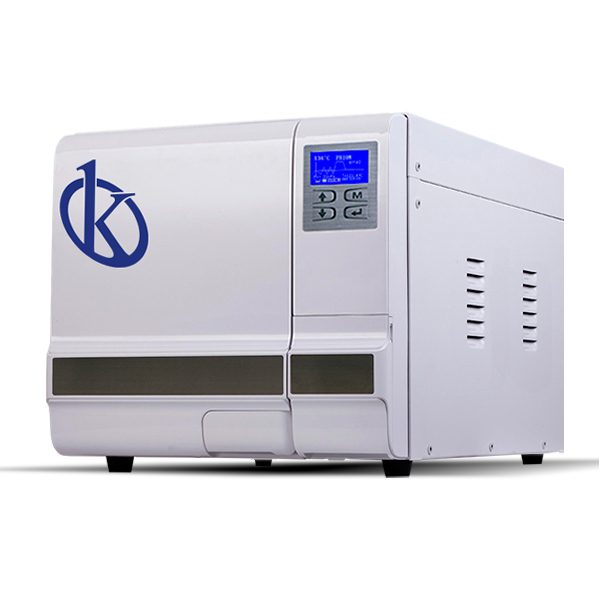
This equipment is indispensable in laboratories, clinics and surgical centers, as it is a fast, compact, versatile sterilizer; It is designed with high technology and cost-effectiveness, while offering operational efficiency and easy maintenance; the advantages of the autoclave lie mainly in the detoxification and sterilization of the material used in surgical treatments or research material; its primary function is as a sterilizing agent by treating water vapor at high temperature to destroy any microorganism found in the material.
What are the differences between N-type and B-type autoclaves?
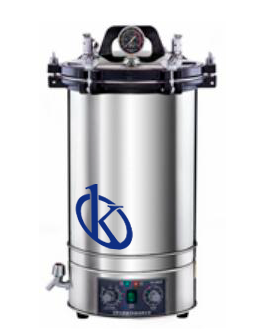
An autoclave is a cylindrical instrument, vertical or horizontal, designed to work with a high internal pressure, and used to sterilize materials and instruments using water vapor at high pressure and temperature. This equipment consists of a metal container with thick walls and hermetic closure, which allows sterilizing under high pressure, ensuring maximum disinfection of all clinical, laboratory, and dental materials.
What is an autoclave?
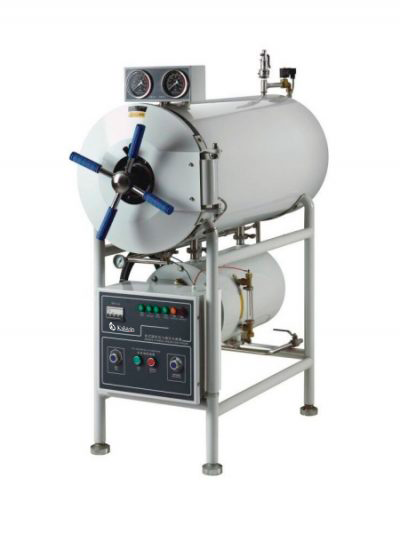
An autoclave is a piece of equipment used to sterilize medical or laboratory material, using steam under pressure and temperature as sterilizing agents. This makes it possible to eliminate any trace of viruses, bacteria, fungi and spores in the materials, liquids or solids that are placed inside.
What are the Sterilization Systems offered by the Bacticinerator?
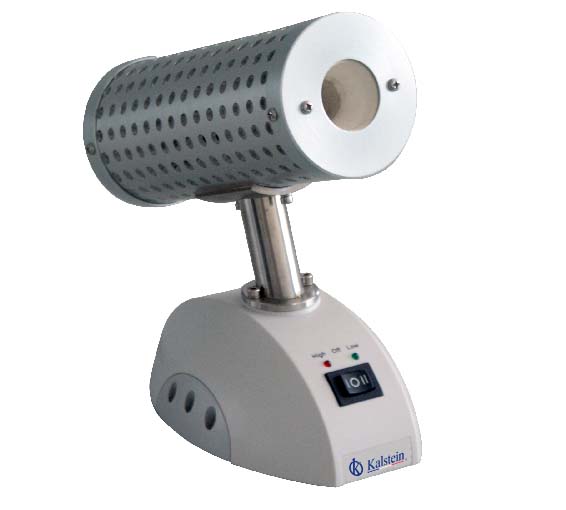
A Bacticinerator is a laboratory machine designed to sterilize and discard inoculation handles. Inoculation loops are generally used to handle hazardous biological samples in a laboratory. They are essential for safe work in a laboratory, as they prevent cross-contamination of samples. An inoculation handle incinerator works by burning the handles in a combustion chamber, at a temperature that is high enough to destroy all living organisms.
Advantages in the use of Bacticinerator for Infectology Units
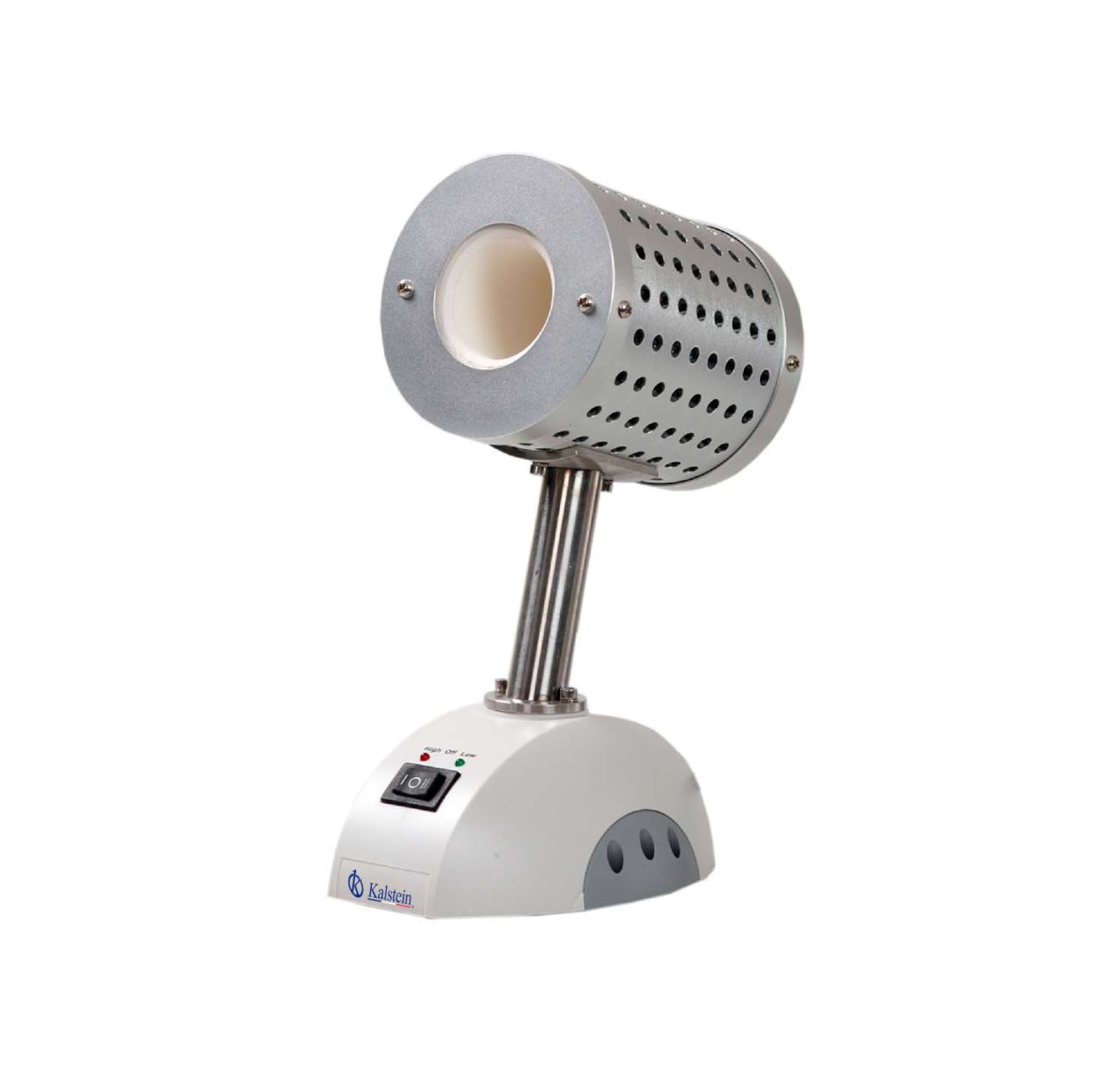
The Bacticinerador, is a equipment that sterilizes the handles used in laboratories, in charge of eliminating bacteria by infrared heat originated by a central ceramic mechanism. This equipment contains no fuel and certifies maximum sterility without splashing on the work surface. Heat is respected as the means of sterilization par excellence, as long as the material withstands high temperatures without suffering any damage. Complete sterilization occurs in 5-7 seconds, at a temperature of 815.6°C (1500°F). It is constituted as a sterilization protector, for greater safety in handling the material and any remaining remaining in the smooth area of the quartz tube, can be easily removed.
Using the Bacticinerator for the Cosmetic Laboratory
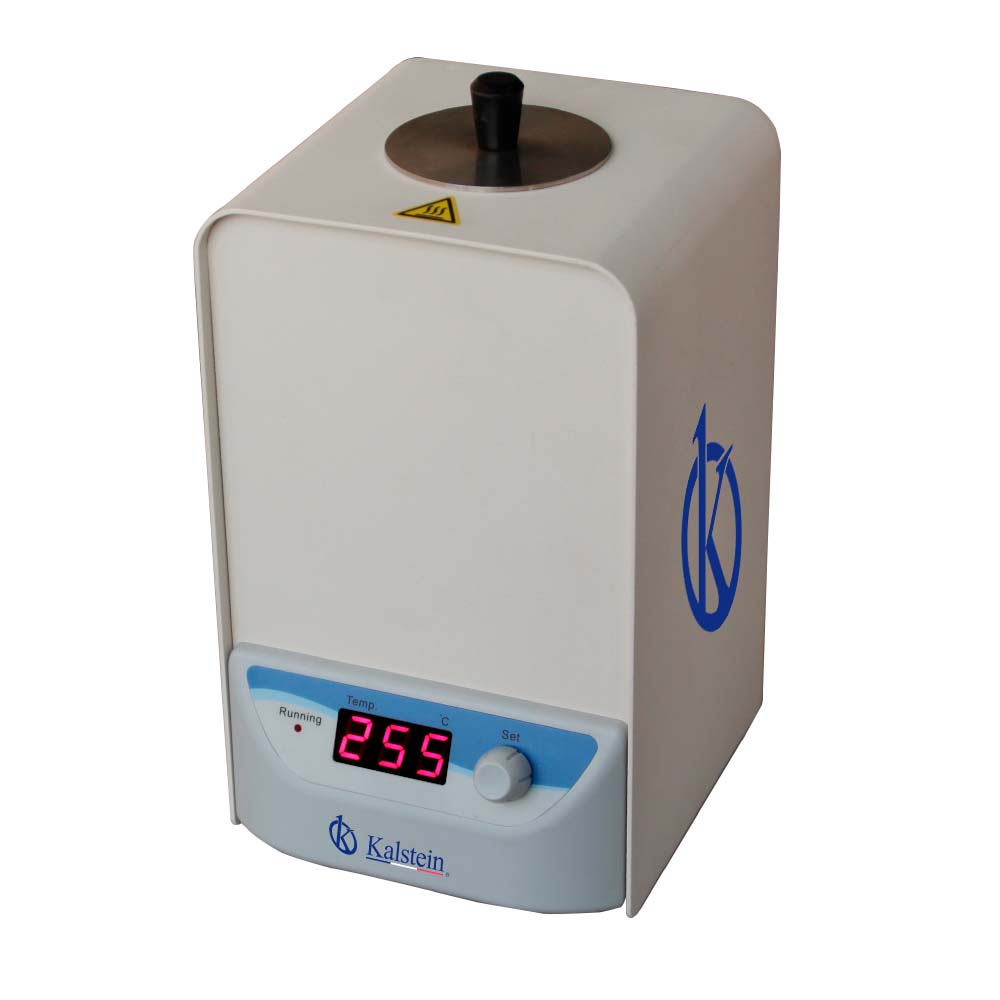
Cosmetics are products that we use to clean, protect and alter our appearance. They can be found in almost every home and are used every day by people of all ages. Although cosmetics have been around for thousands of years, their ingredients and formulations have changed dramatically over time.
Benefits of Bacticinerator for Microbiology tests in the Laboratory
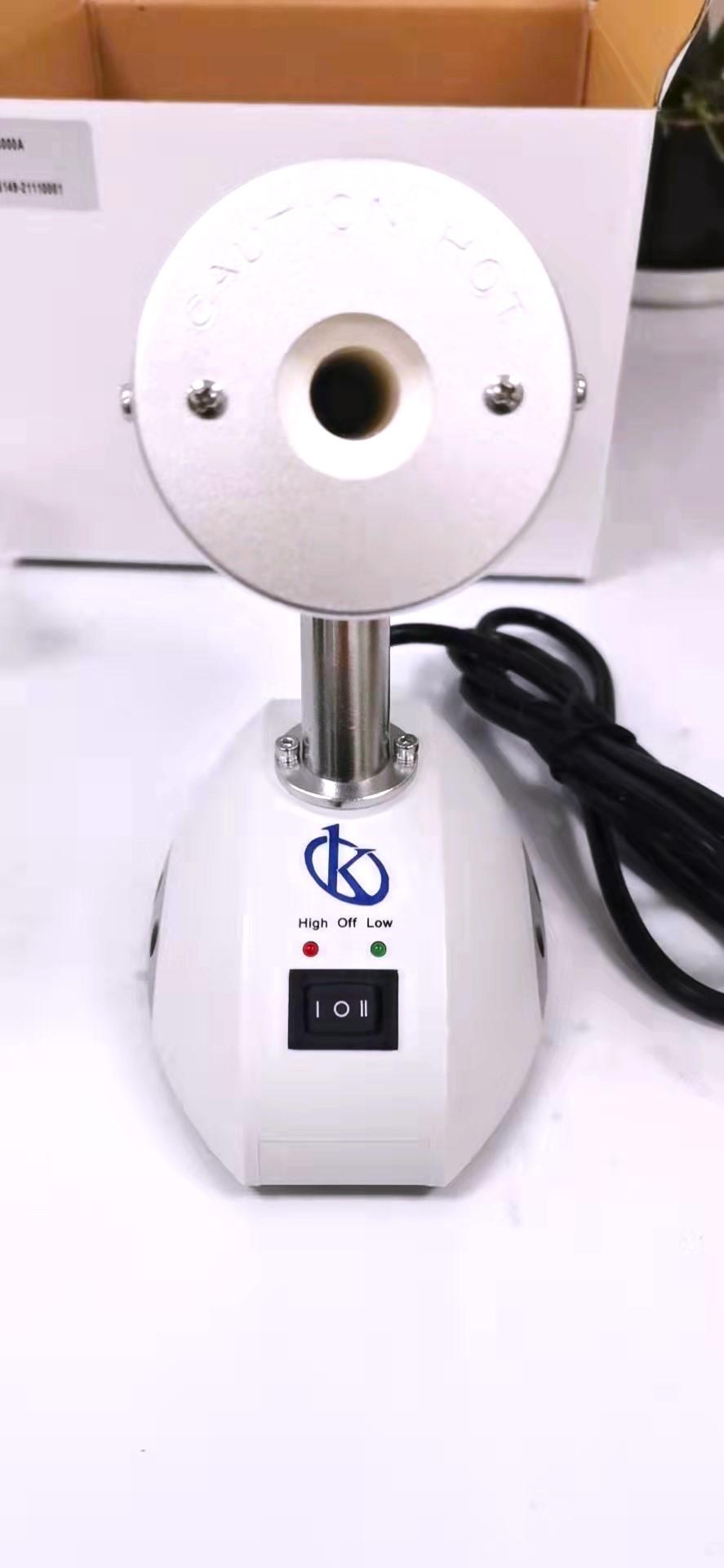
The work of the microbiology laboratory is to identify precisely, firmly and quickly the responsible agents at the species level, and identify their patterns of antimicrobial resistance. Thus, standard microbiologic methods remain consistent in providing rapid identification and susceptibility testing.
Dental autoclaves: How to choose the right one?
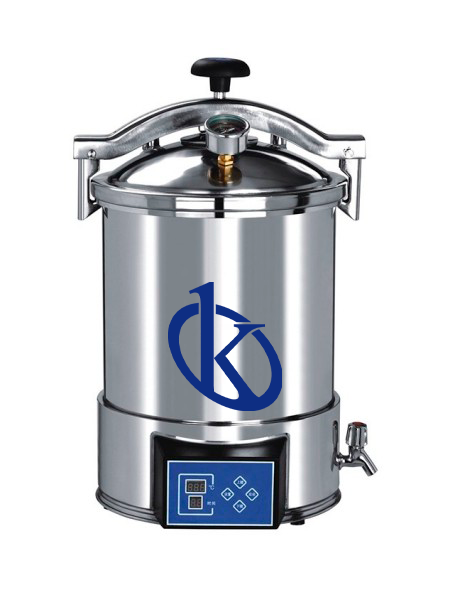
Sterilization of dental instruments. It is a very important factor in dental clinics. This important process is carried out by dental autoclaves, equipment that allows sterilization using steam at high pressure and temperature.
What are the dental instruments that are sterilized with the Gas autoclave
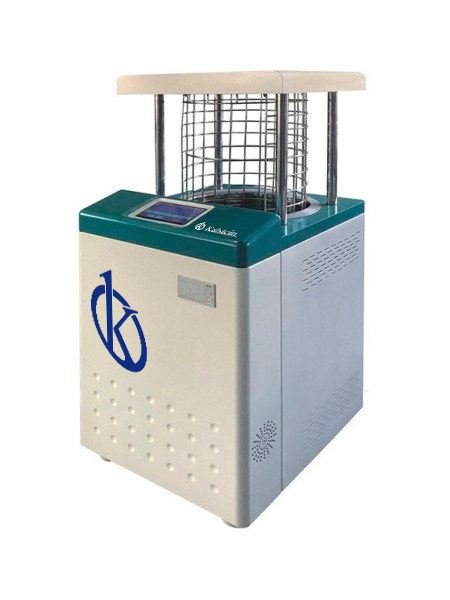
Sterilization is defined as the process by which any microorganism, including bacterial spores, is completely destroyed in a material or instrument. It can be achieved through the use of different methods, but the most commonly used in the field of dentistry, is wet heat sterilization, which is done by using an autoclave.
What are the safety protocols for dental sterilization with the use of the Gas Autoclave?
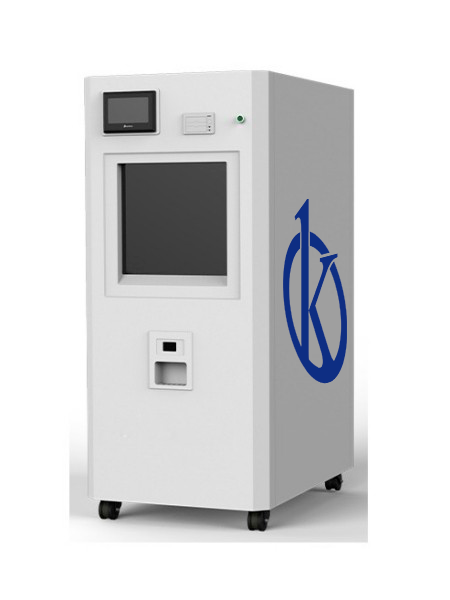
In the field of health, sterilization is a process that eliminates all living organisms, including bacteria, viruses, fungi and protozoa. It is considered the most effective method of preventing disease transmission. There are several methods of sterilization, but the gas autoclave is one of the most used in dental sterilization.