
Decoding the Essential Role of Pharmaceutical Manufacturing Laboratories
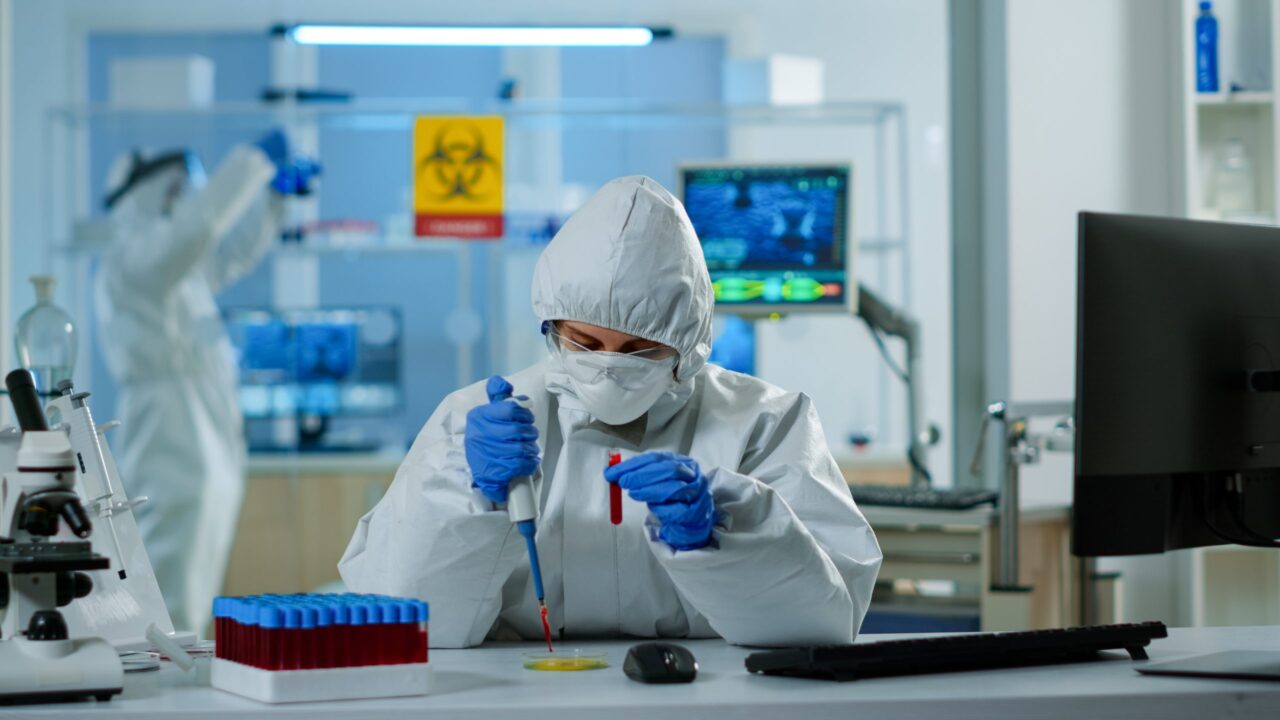
In the vast universe of science and technology, pharmaceutical laboratories play a crucial role in our healthcare system. Their essential function is not limited to manufacturing drugs, they also research, develop and innovate to improve the quality of human life. Let’s go deeper into this world of knowledge and discovery.
Clinical Tests and Their Vital Role in Immunology Laboratories

Clinical testing is a critical process in healthcare studies, playing a vital role in immunology laboratories. These laboratories are dedicated to the study and analysis of the body’s immune responses to disease. Immunology is a branch of medicine that studies the immune system in depth, and within its functions, performs clinical tests to determine its status and level of functioning.
Discovering the Fascinating World of Hematology: Key Procedures in the Hematology Laboratory
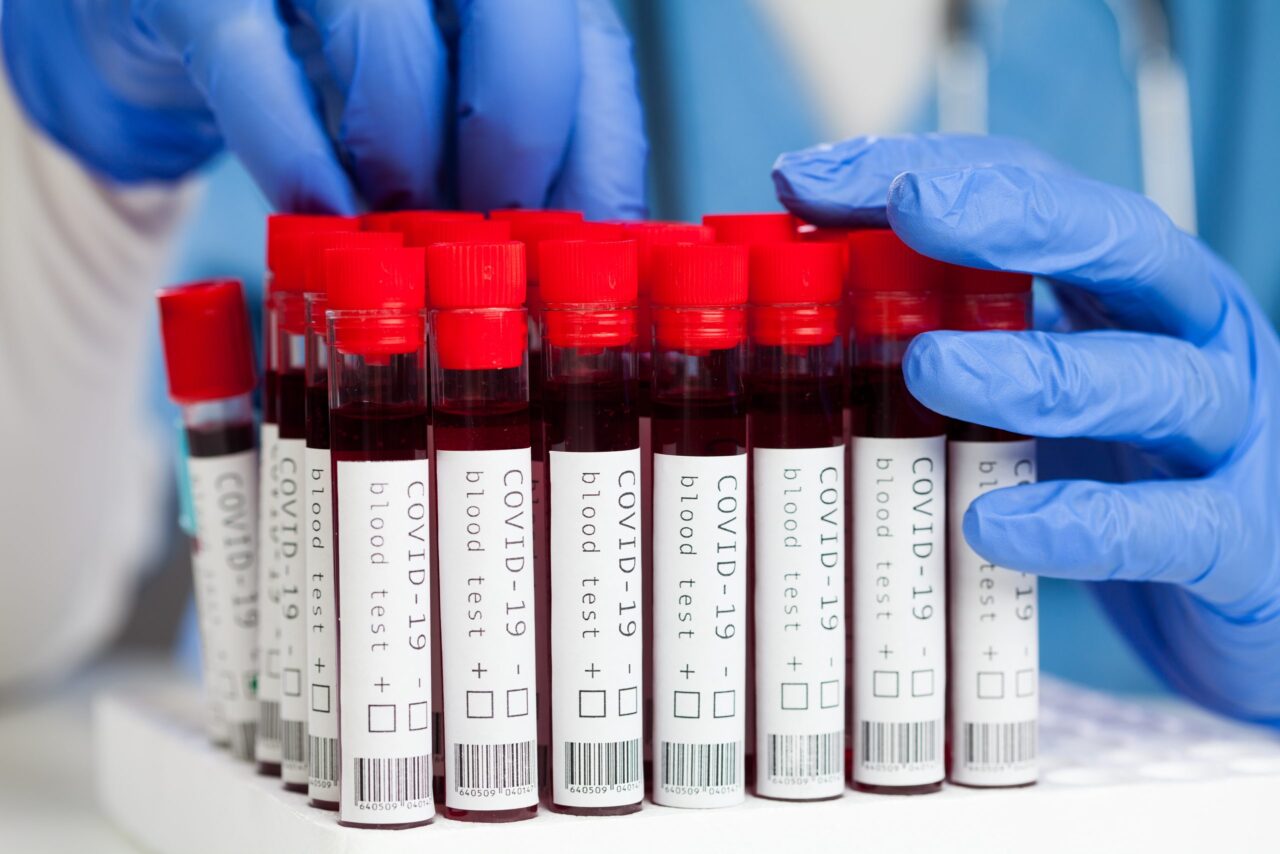
A journey through the field of hematology takes us to the core of life itself, the blood. Hematology laboratories are highly specialized areas where blood samples are examined to diagnose blood disorders such as anemia and hemophilia, as well as disorders of the blood-producing organs, such as leukemia. But how does this journey from blood sample to diagnosis occur?
The Exciting Challenges Facing Defense Material Laboratories
In today’s dynamic and technologically challenging global scenario, defense material laboratories play a vital role. They are the epicenter for discovering new defense technologies and improving existing ones. However, with the power of advancement comes a range of unique obstacles that these labs have to confront.
Challenges of working with a UV transilluminator and strategies for dealing with them

Despite its relevance, working with a UV transilluminator also poses several challenges due to the delicate nature of both the compounds it handles and the equipment itself. Although working with a UV transilluminator can involve risks and challenges, implementing effective strategies can maximize the efficiency of the equipment and mitigate any safety risks.
Variables to consider when using a Gel Transilluminator

A gel transilluminator is an essential tool for any laboratory performing DNA, RNA and other studies. This equipment, also known as an ultraviolet light illuminator, allows scientists to accurately visualize and document their findings in gel electrophoresis experiments. However, to take full advantage of this valuable tool, it is vital to understand its design and technology.
Basic Steps for Gel Transilluminator Maintenance

The gel transilluminator is a fundamental tool for the visualization of DNA and RNA fragments in gel after electrophoresis. This device, of great importance in laboratory research, needs special and methodical care to ensure its proper functioning and to extend its lifetime. In this article, we will share some essential guidelines on how to carry out proper maintenance of the transilluminator.
Expanding Laboratory Capacity with the UV Transilluminator

The field of molecular diagnostics has undergone significant change thanks to innovations in technology and equipment. Making an invaluable contribution to this advancement is the UV transilluminator, a tool that has revolutionized the processing of DNA and RNA samples.
Recycle and maintain your Total Organic Carbon Analyzer

In the context of an increasingly responsible science committed to the environment, recycling and maintenance of the Total Organic Carbon Analyzer are essential tasks. The fact that this instrument has a limited useful life does not imply that once out of operation, its destination is necessarily the landfill. Sustainability must also permeate the management of this equipment, ensuring its proper recycling and minimizing the generation of electronic waste, which is one of the most growing sources of environmental pollution.
Strategic Optimization for the Maintenance of your Total Organic Carbon Analyzer

Maintaining the functionality of the Total Organic Carbon Analyzer over the long term is critical to ensure its continuous and accurate performance. Implementation of a regular maintenance program, proper training of personnel, and constant updating of equipment are three strategic keys to achieving this goal.