
Maintenance of Rotary Evaporators: how to extend the service life?
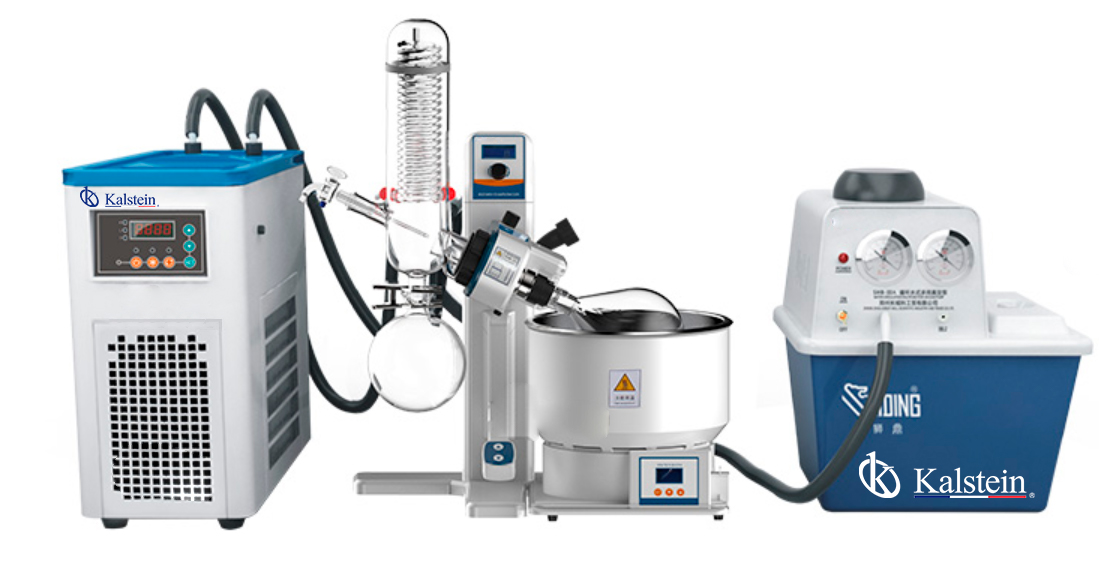
Rotary evaporators are an essential part of laboratory equipment, and their proper maintenance is crucial to ensure optimal operation and extend their life.
It is a device used to remove solvents from mixtures by evaporation. A boiling V-shaped flask with a capacitor above is used. A vacuum is created in the flask which causes the liquid to boil at a lower temperature. This allows the solvent to be withdrawn without damaging the other ingredients in the mixture.
How can the Rotary Evaporator be used to purify organic compounds?
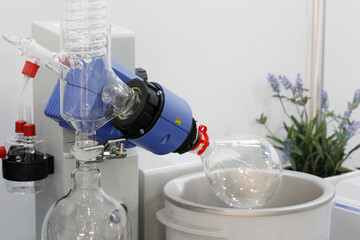
At Kalstein we have the ideal rotary evaporator, commonly used in the laboratory to distil or purify liquids. Similarly, it can be used to distil pure organic compounds. It is a relatively simple equipment consisting of an evaporation chamber, a vacuum unit and a condenser.
What is a Rotary Evaporator?
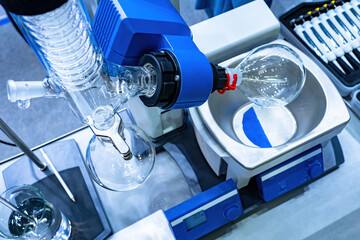
The rotary evaporator, commonly called rotary evaporator, is a equipment used in organic chemical laboratories, and indispensable for the efficient and smooth removal of solvents from evaporative samples. Usually, in laboratories the equipment is applied to perform examinations, experiments and chemical, medical and biological procedures. Likewise, they are used in different areas and institutions such as: chemical industry, pharmaceutical industry, laboratories and hospital sector.
Why is it better to use a Rotary Evaporator to distil volatile liquids?
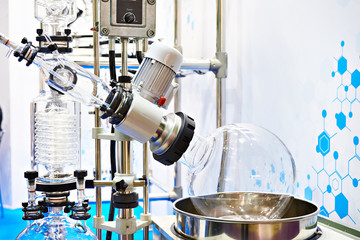
A rotary evaporator is a common laboratory device used to remove solvents from evaporative samples. They are also known as rotovaps. Evaporators work by heating a sample and then gently rotating it while exposed to vacuum. This causes the sample to evaporate more quickly than it would if heated.
Rotary evaporators and Occupational Safety standards and best practices
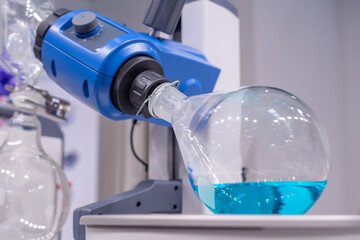
A rotary evaporator is a machine used for the evaporation of liquids under low pressure. It is used in the laboratory to perform a variety of tasks, such as solvent removal, liquid fractionation, isolation of organic compounds and concentration of solutions. Although a rotary evaporator is a useful tool, it also poses a risk to job security. Because the appliance operates at low temperatures and pressures, it can produce cold steam and condensation, which can lead to burns and frostbite. Rarely, the device may also explode. For these reasons, it is important to take a few safety precautions when using a rotary evaporator….
Rotavaporator: What is it? What is it for?
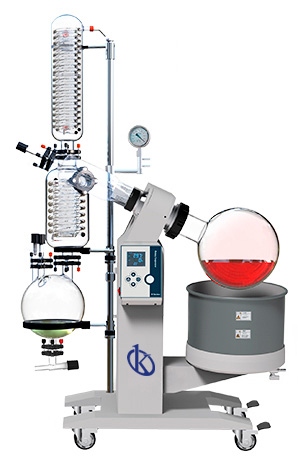
The rotary evaporator is more efficient than simple or conventional distillation equipment. This is due to the presence of a vacuum system coupled to its structure, and that when the sample is rotated a greater contact surface is generated, which allows evaporation to occur more quickly, and it also has a heating system. which makes the distillation process more efficient and precise…
Rotavapor why is it fundamental in a laboratory?
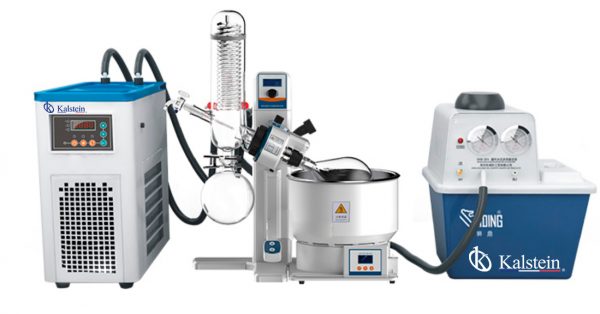
A wide variety of examinations, experiments and endless chemical, medical and biological procedures are carried out in the laboratories; this characteristic of laboratories makes it essential to use certain equipment to facilitate the activities carried out; one of these teams is the rotavaporador; which are used in different areas and institutions such as: chemical industry, pharmaceutical industry, laboratories and hospital sector; they are also used in the manufacture and analysis of experiments to concentrate, dry and recycle. ..
Importance of heating plates to reduce heating time
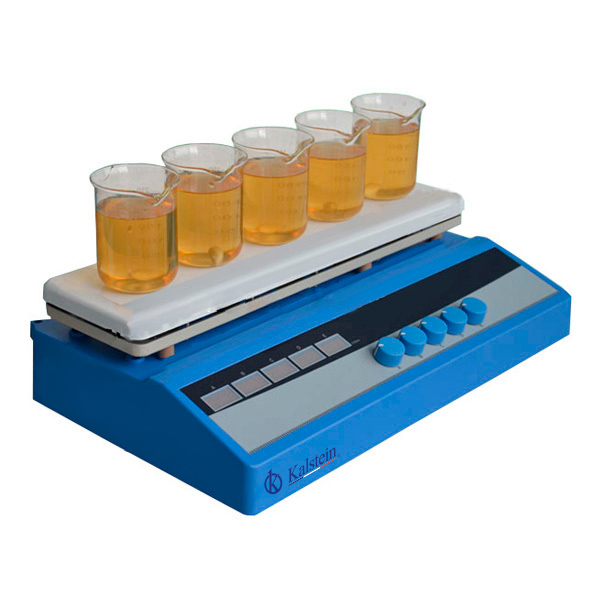
Heating plates are one of the instruments that can be found in almost any laboratory of biology, biochemistry, chemistry and food, among others. Its main utility is the ability to quickly heat different samples, for different purposes, from chemical reactions to dissolution of substances.
How can you prevent heat escape in a laboratory incubator?
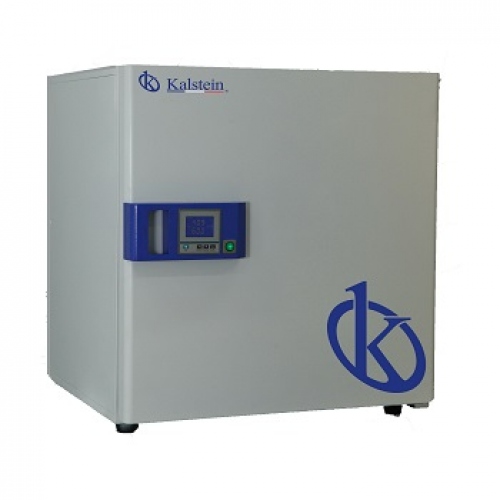
The laboratory incubator is essential equipment for many laboratory studies. It is used to ensure an optimal environment for cell growth and to keep living and cellular organisms at controlled temperatures. For this reason, it is important that the incubator complies with the requirements and regulations required for laboratories. A common problem associated with these devices is heat leakage. If not addressed in time, heat leakage can cause damage to machinery and generally to experiments conducted in the incubator.
How can you keep the air in a laboratory incubator?
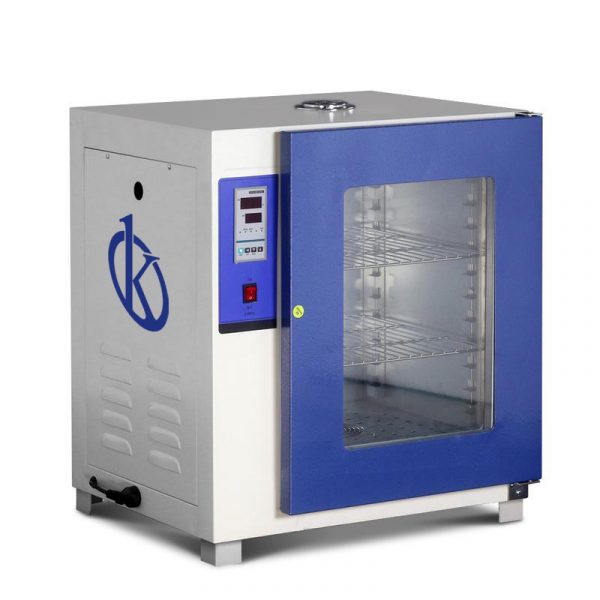
In many laboratories, the incubator is used to maintain air and temperature at levels appropriate for the care of biological or chemical material. These incubators maintain a constant temperature in a specific range and such as oxygen, nitrogen, carbon dioxide, water vapor and other gases found in the air. This is essential for housing living materials in a stable environment.