
Importance of Safety Cabinets for the Storage of Water Pollutants

For safety at work, it is mandatory to take the necessary protective measures to ensure the health of employees at work, in which the validity of such measures must be demonstrated, and if necessary, adjust them to changing situations. In addition, efforts should be made to improve safety and environmental protection. The use of chemical storage safety cabinets is very useful for this purpose.
Why are security storage cabinets important in a laboratory?

It should be noted that all the chemical substances that are stored in a laboratory require an order and protection, in this case, it is the storage cabinets, which are responsible for offering it. This prevents the loss of consequences towards the deterioration of the physical material, improving work and efficiency in expenses.
Functions of Security Storage Cabinets for Cytotoxic Products
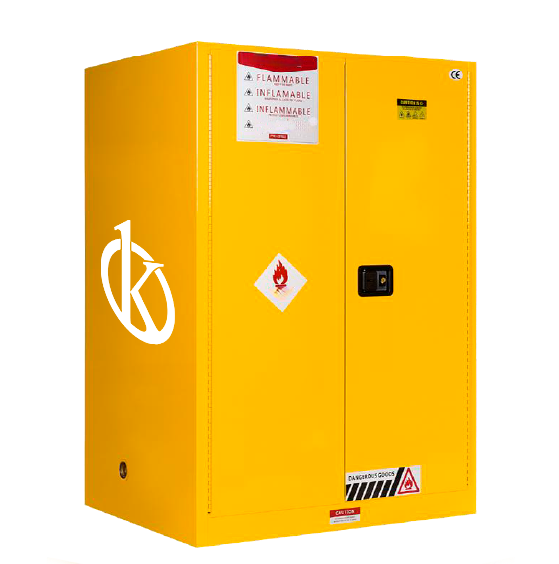
In all workspaces where substances such as cytotoxics and drugs are handled and stored, it is important to have good safety furniture that protects you at all times. Storage cabinets make sure to protect the contents of them from any danger or accident, since working with liquids and delicate substances, is even more so.
What are the types of security storage cabinets that exist?
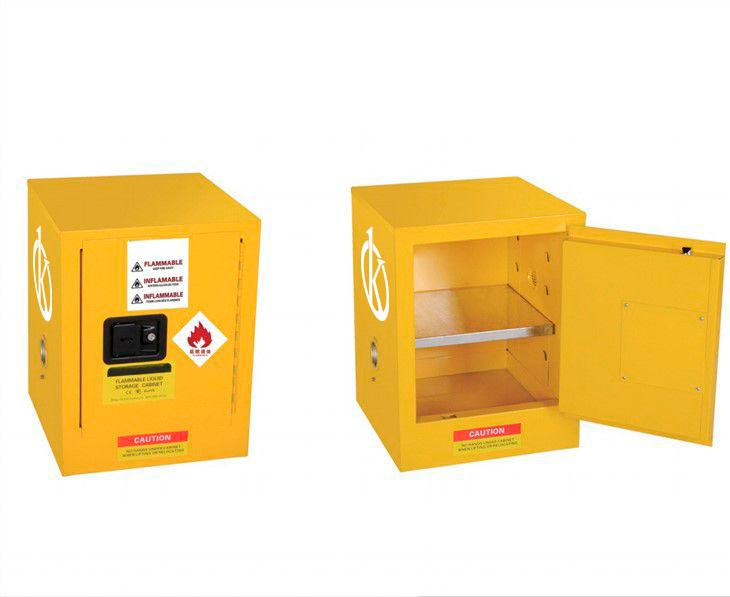
According to the spaces offered by the security storage cabinets, they provide an effective and accessible solution to store and safeguard chemicals. In addition, they provide protection to users, avoiding contact with the substances contained in them.
Importance of the Fluorometer
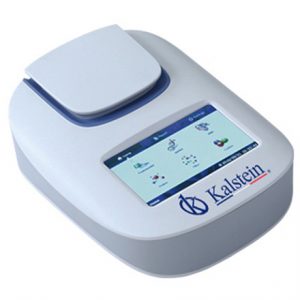
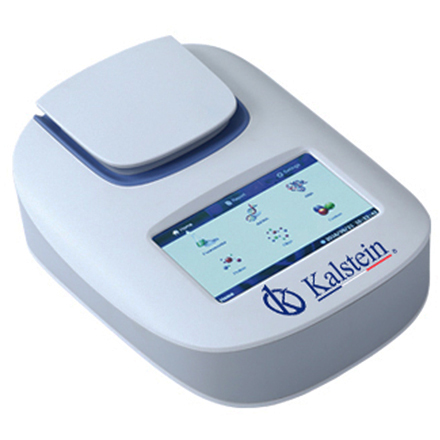
The fluorometer is an analytical device designed to determine the species and the concentration of fluorescent compounds, allowing the performance of complete photophysical studies. Its reliability, the meticulousness of the operational control, which is sensitive, specific for biological and chemical species…
What is a Fluorometer?
Luminescence is the emission of light by any substance, due to electronically excited states, by means other than combustion, which is why it occurs at lower temperatures. Depending on the nature of the excited state it can be of two types: fluorescence and phosphorescence.
Features of the Fluorometer
Luminescence is the emission of light by any substance, due to electronically excited states, by means other than combustion, which is why it occurs at lower temperatures. Depending on the nature of the excited state it can be of two types: fluorescence and phosphorescence.
Fluorometer: What is it used for?
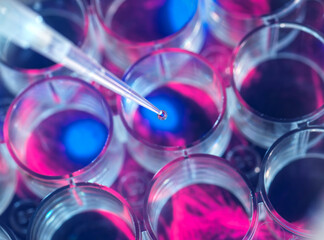
This apparatus is an optical device, which is used in laboratories to observe and measure the fluorescent quality in biological or mineral samples; this equipment has characteristics that can be measured sensitivity to specific light wavelengths by using filters and depending on what is being studied.
Benefits of the Fluorometer

Measurement of fluorescence intensity, spectrum, lifetime, and polarization can determine the presence of fluorophores and their concentrations. The equipment used is called fluorometer, it is an analytical instrument designed for the determination of the concentration of fluorescent compounds
What are the differences between fluorometers and spectrofluorometers

There are two general instruments to measure fluorescence, which are fluorometers and spectrofluorometers, in this article we will focus on the differences between both equipment.