
Laboratory centrifuges: What are the main brands?
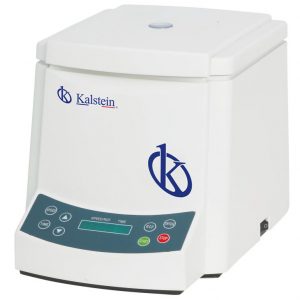
The centrifuge is an essential laboratory equipment, which generates rotational movements, in order to separate the components that constitute a solution. This equipment applies a sustained centrifugal force (that is, a force produced by rotation) to push matter out of the center of rotation.
What is a Microwave Digester?
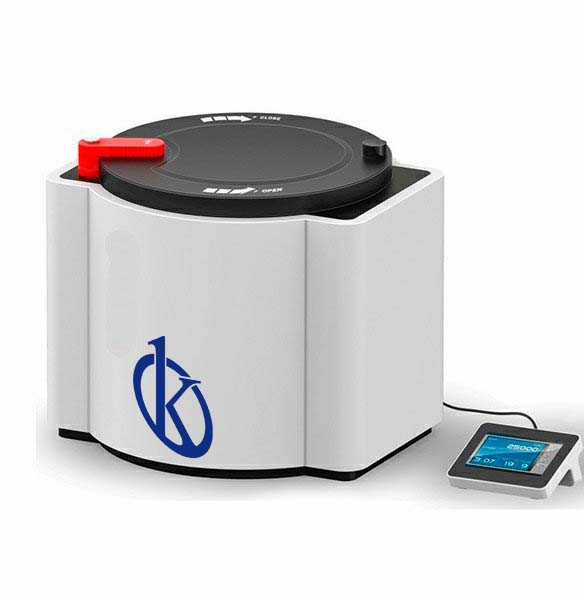
They are equipment that have a digestion system, which is used to mineralize the solid samples from which we want to obtain reliable information at elemental level, a spectroscopic technique is used, and requires that the sample to be examined is in liquid state, so if the requirements of the analyzes require preparing the sample for analyzes of food, textiles, dishes, wastewater treatments, cosmetics and other applications, you need a microwave digester, and undoubtedly the best and most reliable are the YR KALSTEIN series.
What is a microwave digester used for?
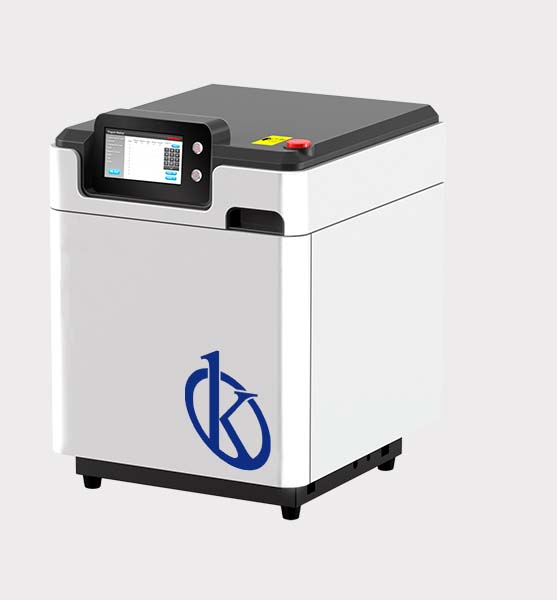
The applications of this equipment are wide in different areas, generally used to mineralize solid samples from which information is obtained at elemental level through spectroscopic technique, so it is necessary that the sample is in liquid state, this apparatus is present in laboratories dedicated to the Environment, agriculture, food, plastics, petrochemical industry, geochemical industry, metals, ceramics.
Microwave Digester: how does it work?
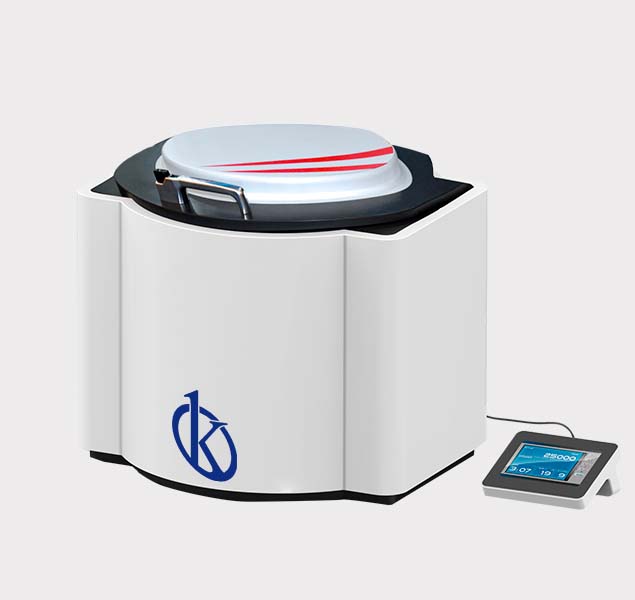
This equipment guarantees the preparation of samples for elemental analysis in analytical chemistry, performs a procedure where electromagnetic radiation is produced at a frequency of 2450 MHz; this makes it warm, where radiation penetrates glass, ceramic and plastic materials, while metals reflect this wavelength.
Microwave digester: in which scientific sectors is it used?
The use of this equipment for different scientific processes is proven thanks to the scientific researchers in the areas of chemistry and engineering, where the use of microwaves for NTK analysis and oxygen demand is validated, due to the effective system of temperature that these processes require, thanks to the microwave digester samples and tests reach a necessary temperature in a shorter time and without thermal degradation.
What are the procedures of Microwave Digestion in environmental samples for the agricultural sector?
Many laboratory procedures require the use of a microwave digester for sample preparation. The rationale for any microwave digestion process is based on the introduction of the samples into special transparent and closed vessels, in conjunction with the reagents required for testing. The sample is heated to temperatures ranging from 200° to 300° C so that it is partially or completely degraded.
How to ensure food quality with Microwave Digester
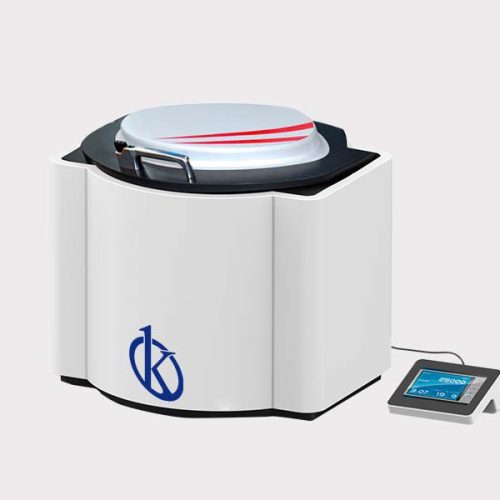
Microwave digesters are equipment that perform sample digestion in order to obtain information about its components at the elementary level, they are used in many fields, from biology, chemistry, medicine, textile industry to the cosmetics industry. Microwave digestion is used hand in hand with the spectrophotometry technique, since in the latter it is necessary that the sample is in liquid state to be able to analyze it.
Microwave Digestion System in Tumor Samples to Detect Cancer
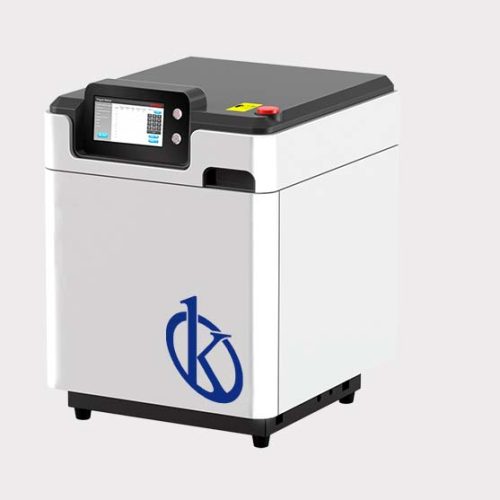
Microwave digestion is a technique used to break down the materials in a test sample. By adding strong acids and even bases and heating, the sample homogenization process is accelerated. This results in a solution in which there are highly solubilized organic materials and metal ions, suitable to perform a spectrophotometry analysis and know the components that make up the resulting solution.
What is Acid Digestion for Metal Determination?
By using the techniques of atomic absorption spectrometry and microwave digesters, they comply with traditional methods for acid digestion, and are used for the development and preparation of samples, in order to obtain the analysis in liquid form.
Hot plate stirrer: Why is it essential in a biology lab?
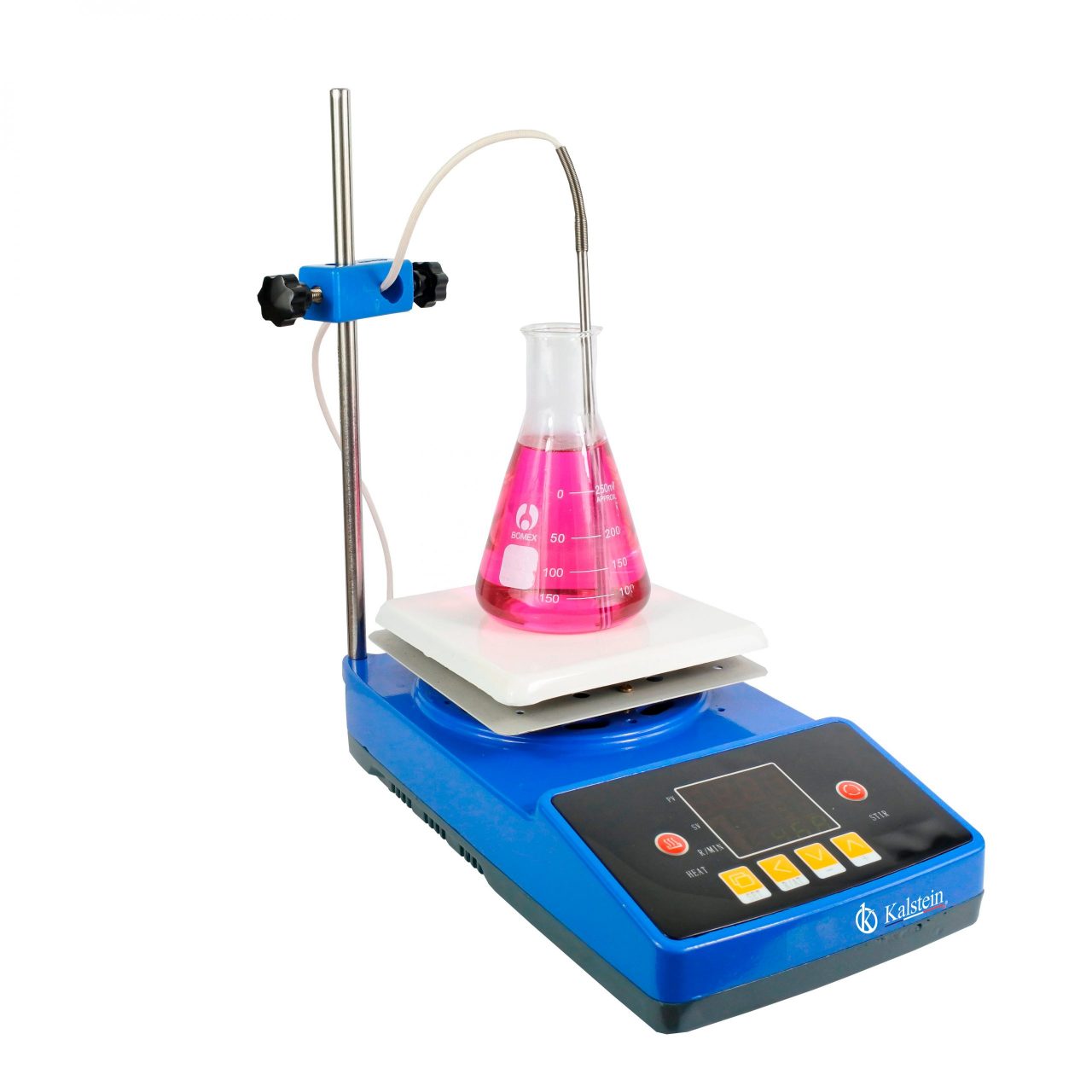
Hotplate stirrers are benchtop electronic equipment that adapt to multiple processes that require temperature and stirring. That is, they are instruments that provide simultaneous heating and stirring options. This equipment is frequently used in biology laboratories, since it is used to mix liquids with each other or with powders, to produce solutions and different suspensions, due to its versatile design that allows stirring and heating at the same time. Reducing the time of use and reducing risks of contamination.