
How to optimize PCR in the laboratory
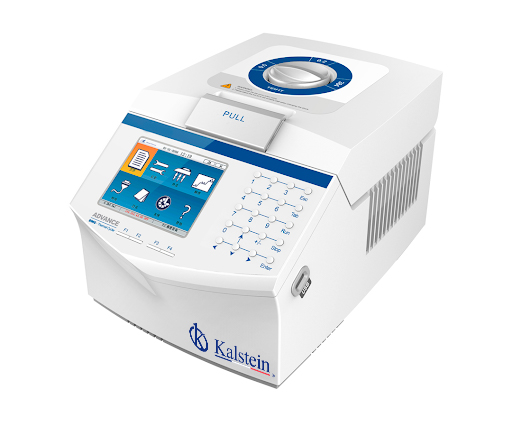
Polymerase chain reaction (PCR) is a rapid and accurate diagnostic test for detecting viral and bacterial diseases and genetic changes. This technique can detect the RNA or DNA of a pathogen, that is, of the organism causing a disease, or of abnormal cells in a sample. The great advantage of this test and the reason for its use is that, unlike other tests, PCR can detect signs of a disease when it is in the earliest stages of infection.
Clinical-pathological applications of PCR
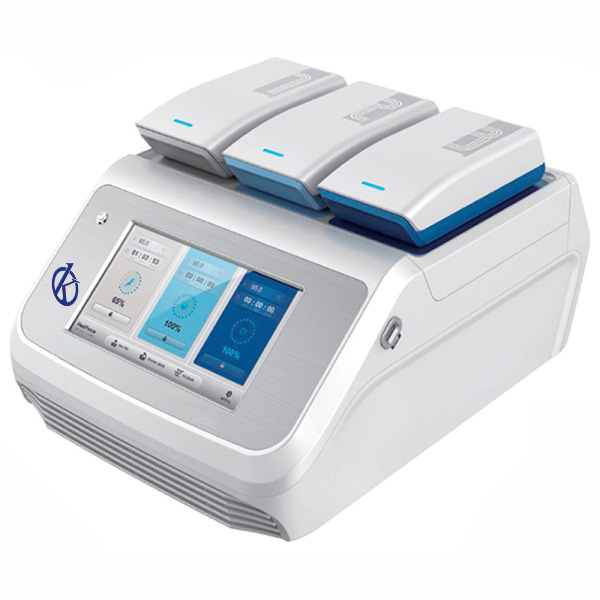
The polymerase chain reaction (PCR), sometimes known as ‘’molecular photocopying”, is a rapid test used to amplify or photocopy, in billions, small pieces of DNA. Having a substantial amount of a DNA sample for molecular and genetic analysis is vitally important. Studies of isolated DNA fragments would not be possible without PCR amplification. This test is carried out in a thermocycler, a device that allows the execution of temperatures for the amplification of DNA strands.
Laboratory Sample Homogenizers
A homogenizer is a very important piece of equipment among the components of a laboratory, because it allows to carry out the homogenization process of different types of materials; such as tissues, food, plants and other biological or chemical elements.
Laboratory homogenizer, what are the different types?
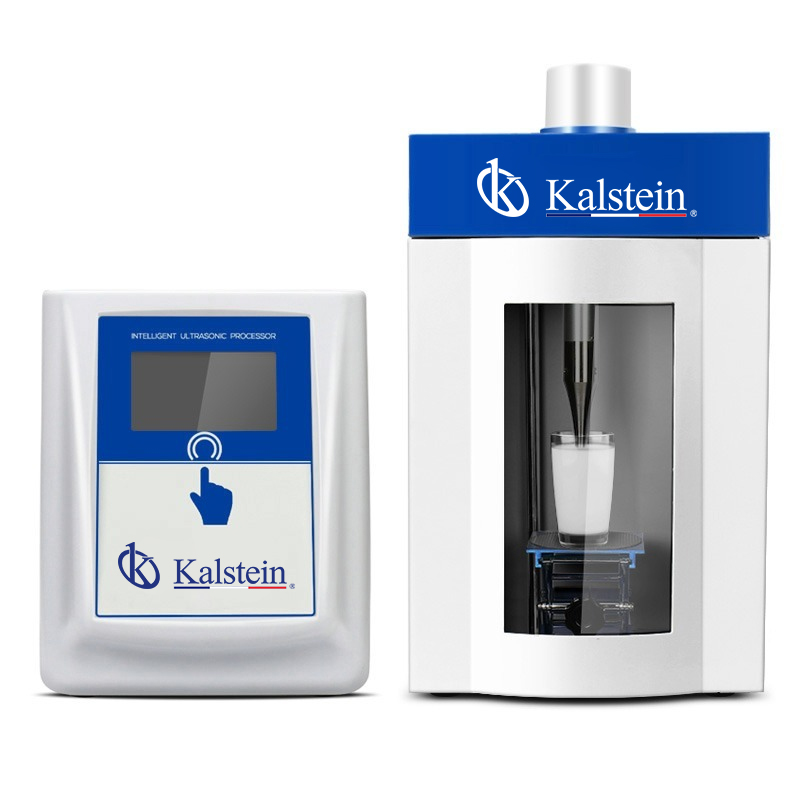
A homogenizer is a laboratory equipment that is used to carry out the homogenization process of different types of materials; such as tissues, food, plants and other biological or chemical elements. In laboratories, homogenization is generally a necessary step in the preparation of biological samples in laboratories, among them we can mention before the analysis of nucleic acids and proteins, or the study of cells, metabolism, bacteria, fungi, parasites and viruses. as well as in other scientific purposes.
What should you know about a laboratory homogenizer?
A homogenizer is a laboratory device, which allows the homogenization of different types of materials; such as tissues, food, plants and other biological or chemical elements. The main types of homogenizers are grouped into three broad categories: mechanical, ultrasound and pressure.
What is the function of a laboratory homogenizer?
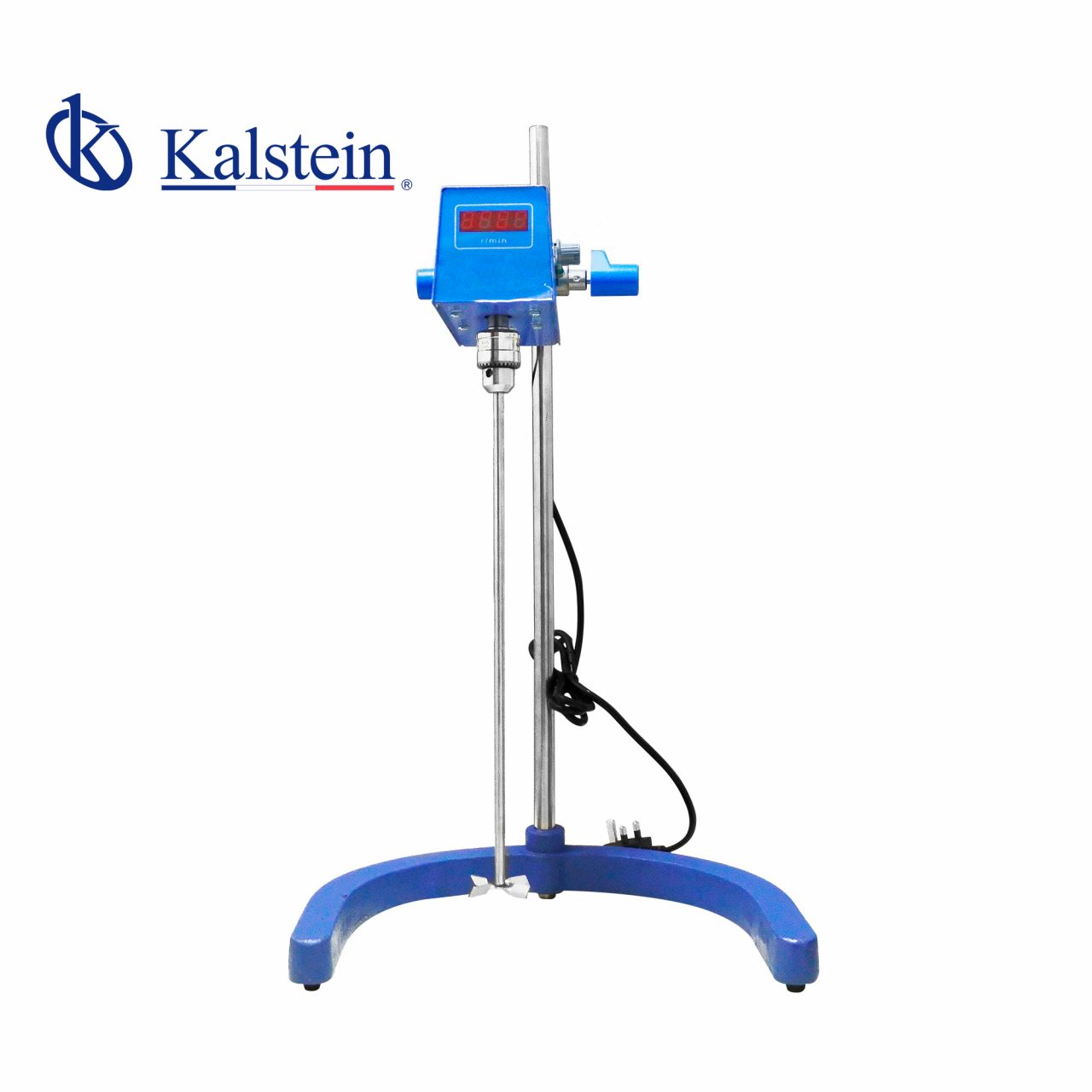
A homogenizer is a very important device among the components of a laboratory, since it allows the homogenization of different types of materials; such as tissues, food, plants and other biological or chemical elements.
How does a homogenizer work?
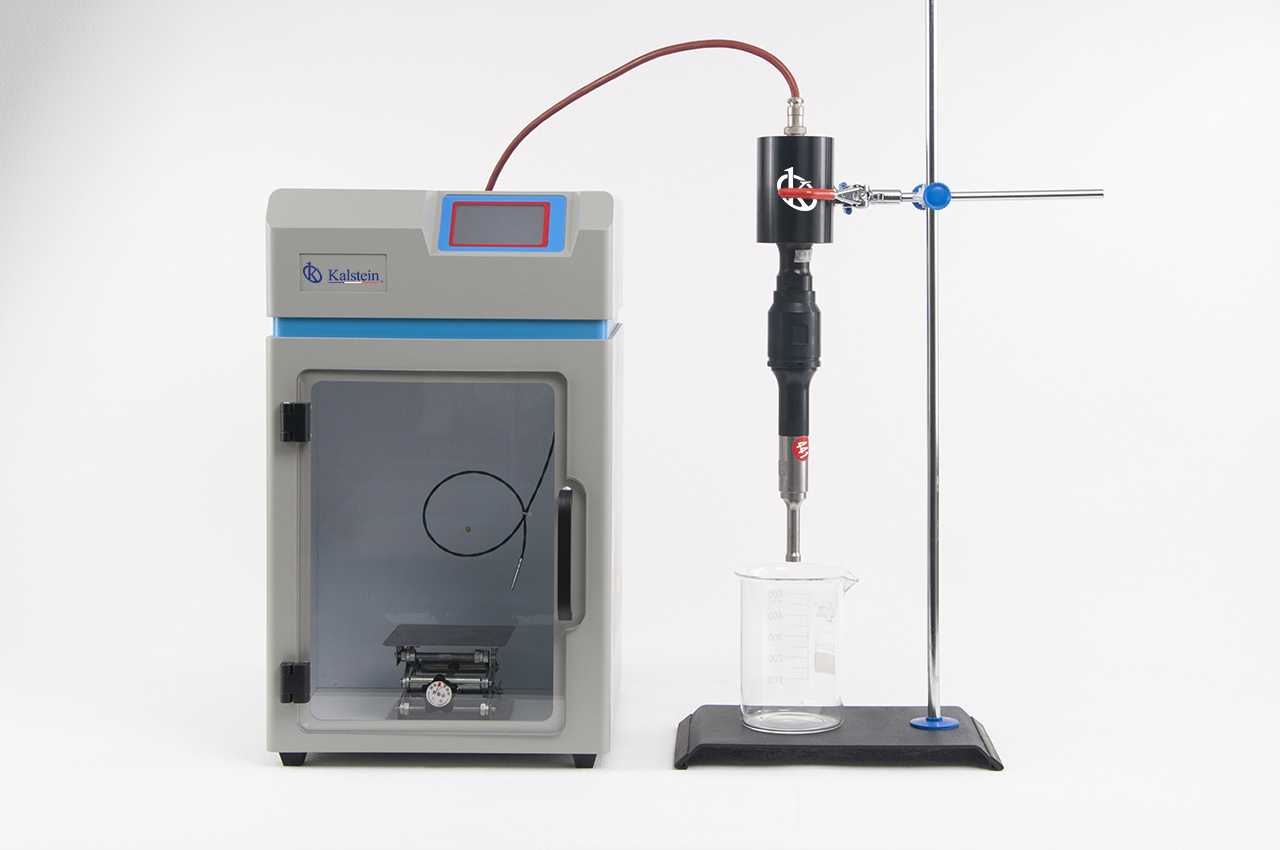
The homogenizer is laboratory equipment that is used for the homogenization of a variety of materials, such as tissues, plants, food, soil, and many others.
Being homogenization the mixing process that seeks that the processed substance has the same properties in its entirety, it can be said that the homogenizer is the instrument created to make it possible. In biology and biochemistry, homogenizers are used for the disintegration of tissues and for the rupture of cells, with the least possible damage to the plasma membrane. The homogenizer process will depend on the samples that the researcher is going to mix and how he will use it.
What are the differences between: PH Meter, Ion Meter and Conductivity Meter?
Firstly, measuring instruments are important and fundamental in laboratories, they are equipment that are created to provide a solution to professionals, for monitoring their activities.
Types of pH meters
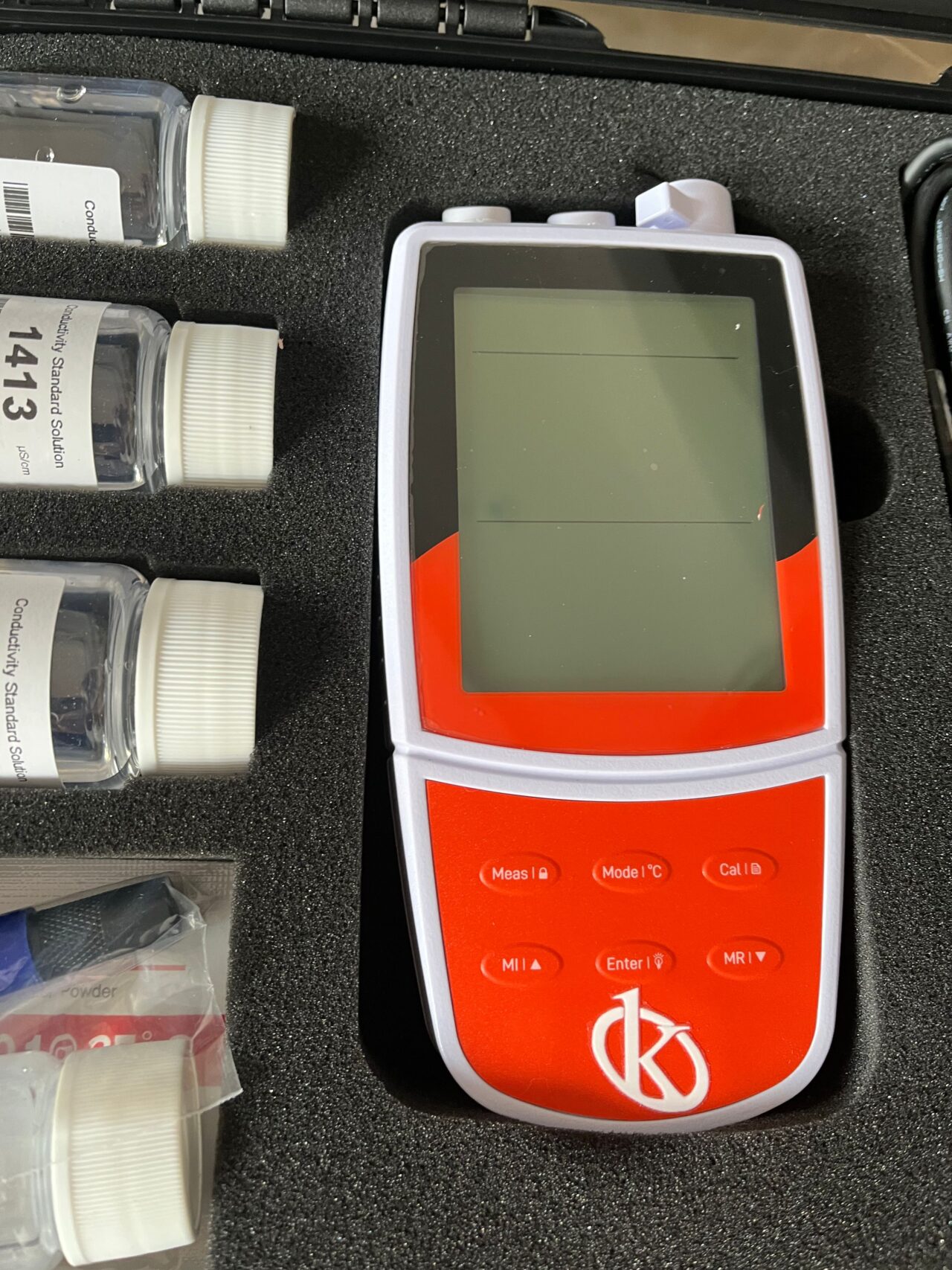
A pH meter is specialized equipment used to measure the acidity or alkalinity of a solution. PH is defined as the unit of measurement that describes the degree of acidity or alkalinity of a substance and is measured on a scale ranging from 0 to 14.
PH meter: what is it used for?
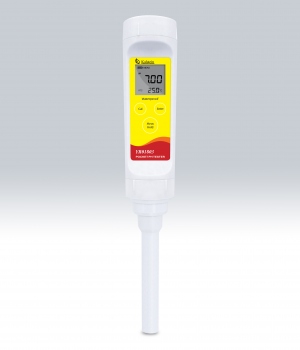
A pH meter is a laboratory instrument for scientific use, which measures the activity of the hydrogen ion in aqueous solutions, indicating its degree of acidity or alkalinity expressed as pH, is used in laboratories and in multiple other fields or areas; a pH measurement can be obtained using pH indicators or tapes, or meters such as pH meters, portable meters or pH electrodes.