
Laboratory pH meter, working
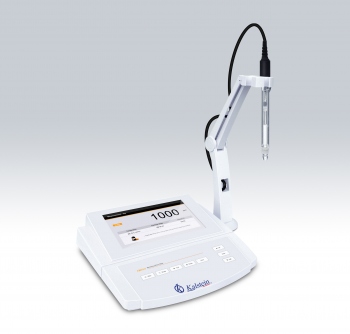
A pH meter or pH meter is a laboratory equipment used to measure the acidity or alkalinity of a solution, that is, it is an instrument whose function is to measure the pH level of liquids through glass plates, and thus way to accurately obtain an analysis on these fluids. The information provided by this laboratory device expresses the degree of acidity of an acid or a base in terms of the activity of hydrogen ions.
Importance of pHmeter in a laboratory
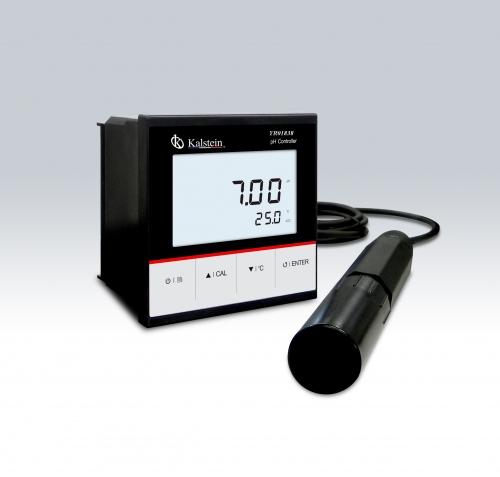
A pH meter is one of the most used equipment in a laboratory. It is used to measure the acidity or alkalinity of a solution and the information it provides expresses the degree of acidity of an acid or base in terms of the activity of hydrogen ions, so through the use of this equipment we can know the type of substance we are analyzing, as well as the type of treatment that should be given to it.
What is pH and how is it measured?
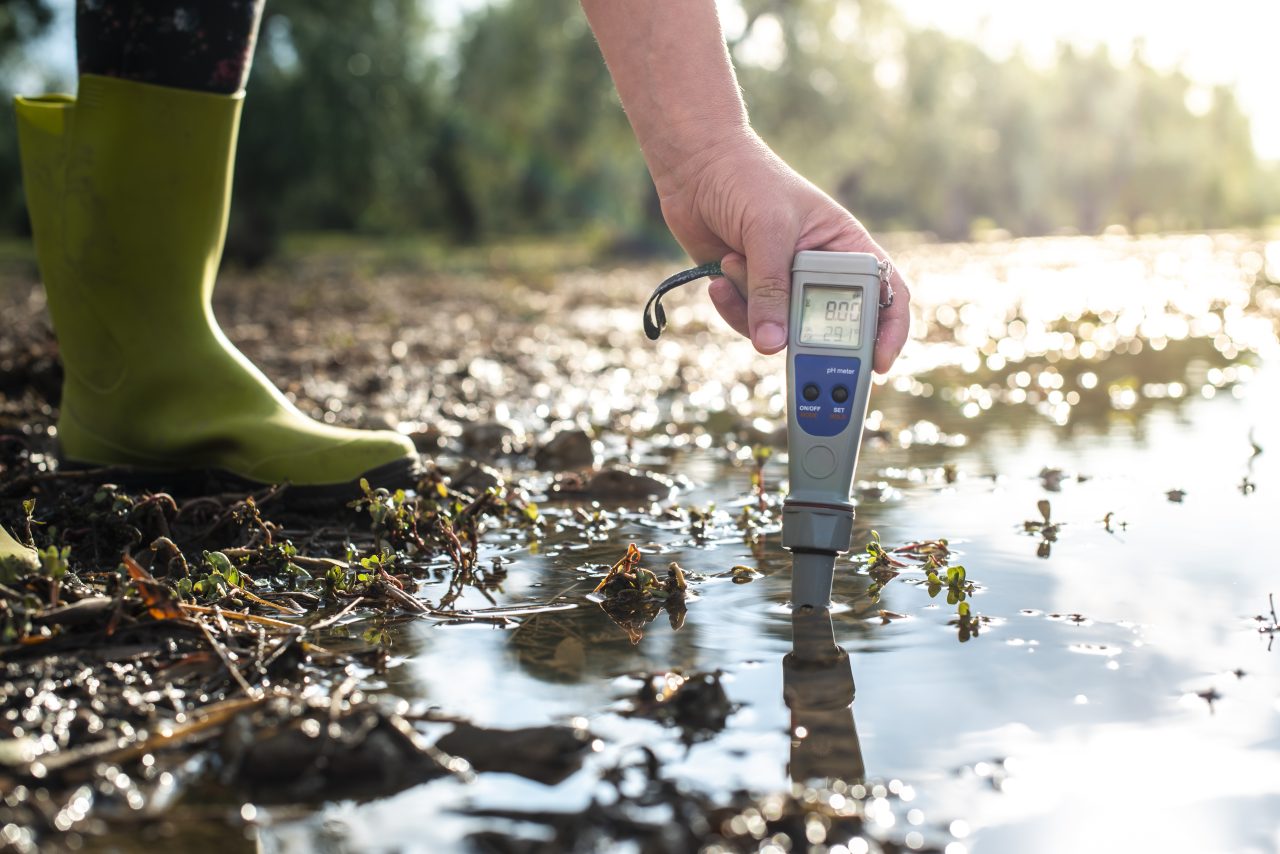
pH is the unit of measurement that describes the degree of acidity or alkalinity and is measured on a scale that goes from 0 to 14. The measurement of pH (hydrogen potential) is one of the most important parameters in a laboratory, it has a great field of application such as: research, industry, teaching, among others. In laboratories where it is relevant to know the potential of hydrogen, a pH measurement equipment will always be found as a primary instrument.
How does a pH meter work?
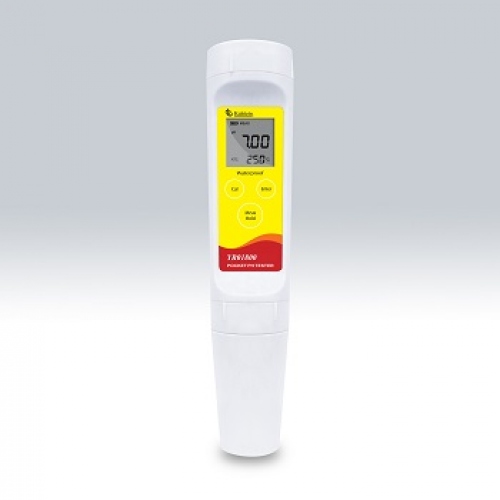
A pH meter or pH meter is an instrument used to measure the acidity or alkalinity of a solution. The information provided by this equipment expresses the degree of acidity of an acid or a base in terms of the activity of the hydrogen ions.
PH meter, water pH, milk pH, and human body pH
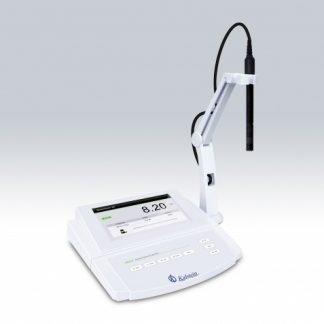
PH is a parameter used to measure the concentration of the hydrogen ion [H +] in a solution. In definition pH, it is the negative logarithm of base 10 of the activity of the [H +]. PH values vary on a scale from 0 to 14, which indicates the degree of acidity or alkalinity of an aqueous solution.
Types of microscopes for laboratory and field
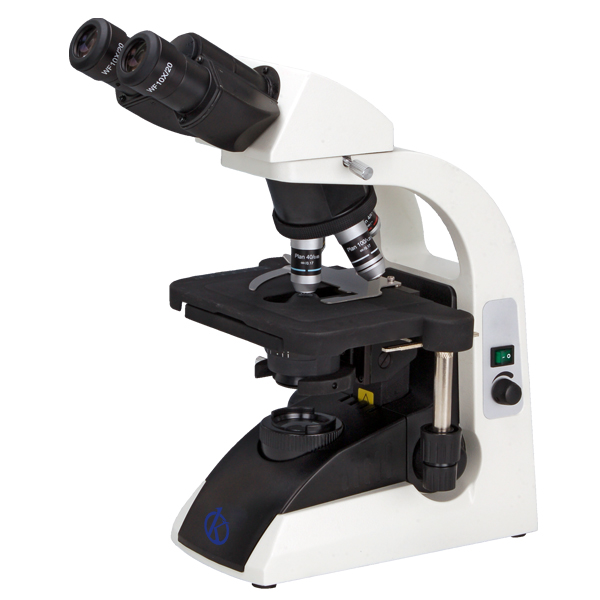
The microscope is an instrument that allows observing elements or structures that can not be observed at the naked eye, through lenses, viewers and light rays, which bring or enlarge the image on scales suitable for examination and subsequent analysis. He was invented by the Dutch Zaccharias Janssen in the sixteenth century.
Methods of Nutritional Assessment of Children with the use of Multiparameter Monitors
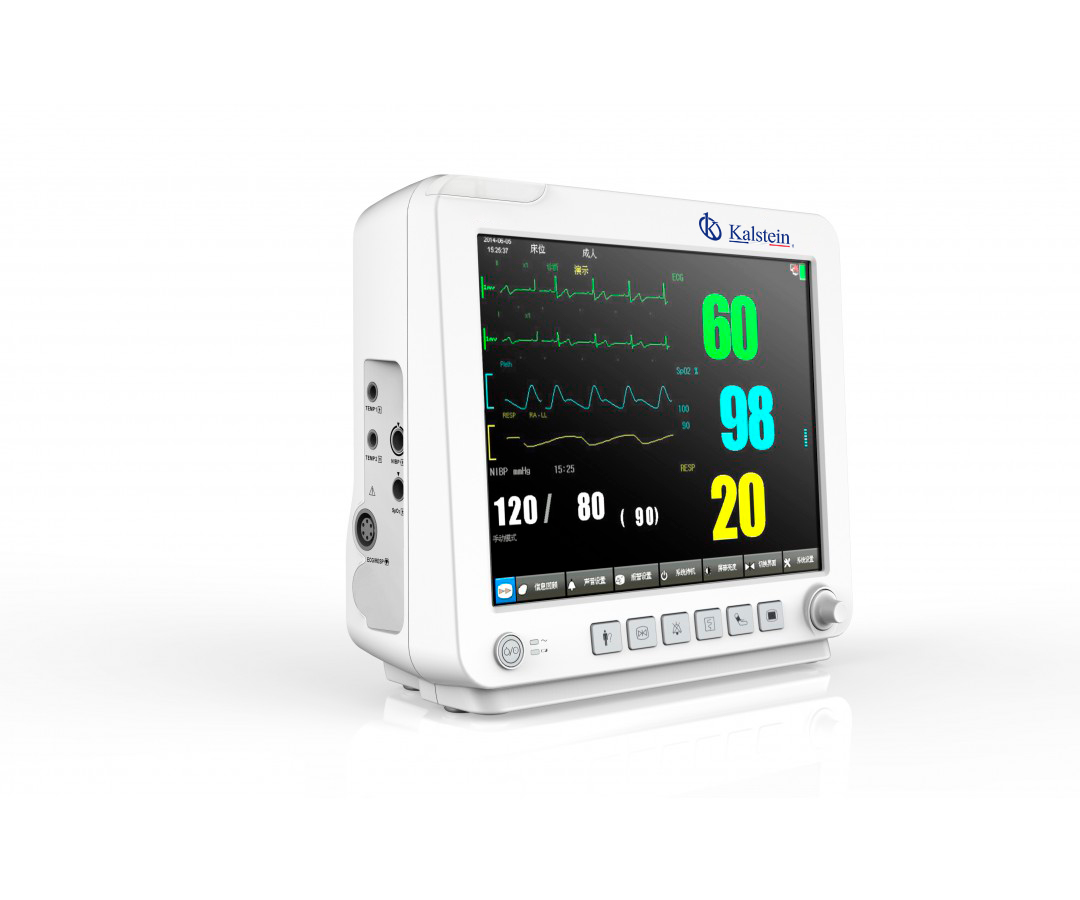
The use of multiparameter monitors has been standardized in the industry and in clinical practice in recent years. These devices are expected to become increasingly popular in the coming years, as they offer a cost-effective and convenient way to monitor people’s health and well-being.
Advantages of Color Evaluation Box for sample processing in the Laboratory
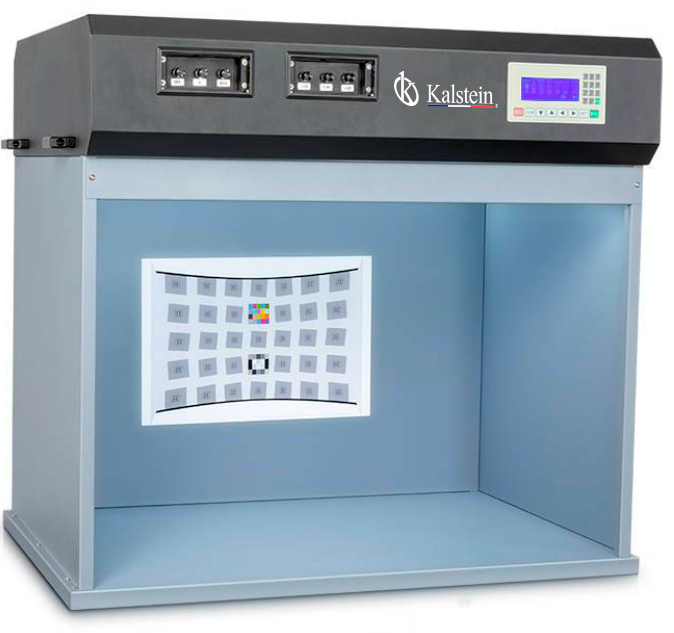
Color evaluation boxes are test instruments used to check the consistency of colors, subjecting the sample or product to different lighting conditions. This equipment is mainly used to eliminate the effect of metamerism, that is, the color change that occurs in an object when it is passed by different light sources. The color evaluation box comes equipped with different lamps, to ensure that this effect does not occur and thus ensure better color consistency.
Quantitative data from a Colorimeter reading
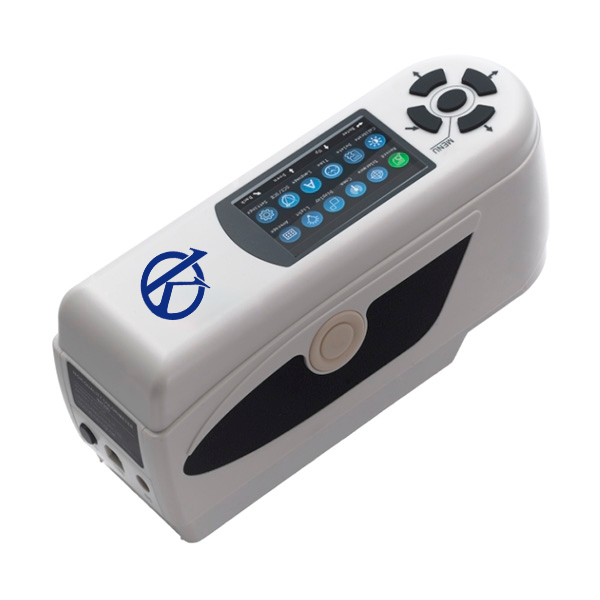
The Colorimeter is an optical device that can be used to measure the absorption of a chemical at a specific wavelength of light. This wavelength can be adjusted by using a filter and can be measured with a photometer. The colorimeter is often used to analyze the chlorophyll content of plants.
Use of the Colorimeter in scientific research
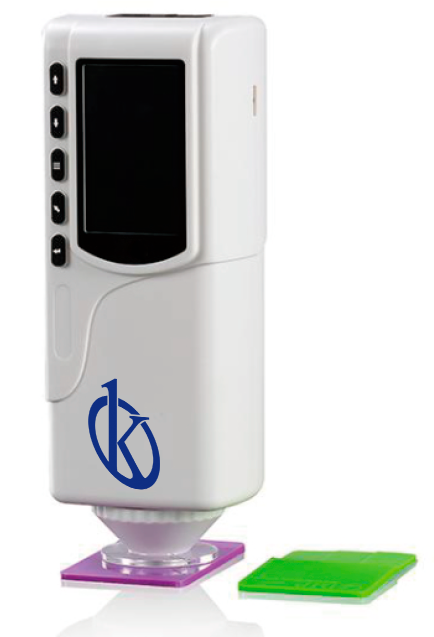
The colorimeter is a highly sensitive measurement tool used in scientific research to determine the content of a substance in a sample. It is an instrument that measures the intensity of a color and is based on the principle of selective absorption: a substance that absorbs a specific wavelength of light will appear darker than other substances that do not absorb it. The colorimeter is used to quantify concentrations of substances in solutions, and has also been used in the research of color mixtures to establish the degree of mixing.