
Use of Oxygen Meters for the Agricultural Sector
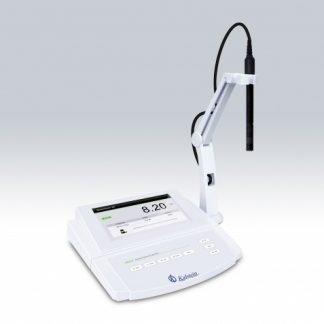
Today, for food production in safe environmental environments, oxygen meters are used to ensure crop quality and to unearth the belief that inadequate environments exist and that technology is not suited to recognizing market demands.
Advantages of Oxygen Meters as Wastewater Treatment
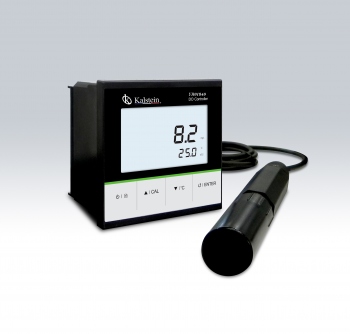
There are various maintenance measures and controls applied by factories from any industrial sector for the treatment of wastewater and the aim is to measure the amounts of dissolved oxygen. Through the dissolved oxygen meters, the intake is regulated by air sensors to capture the presence of bacteria in the reactors.
Advantages of spectrophotometer for detecting impurities in food
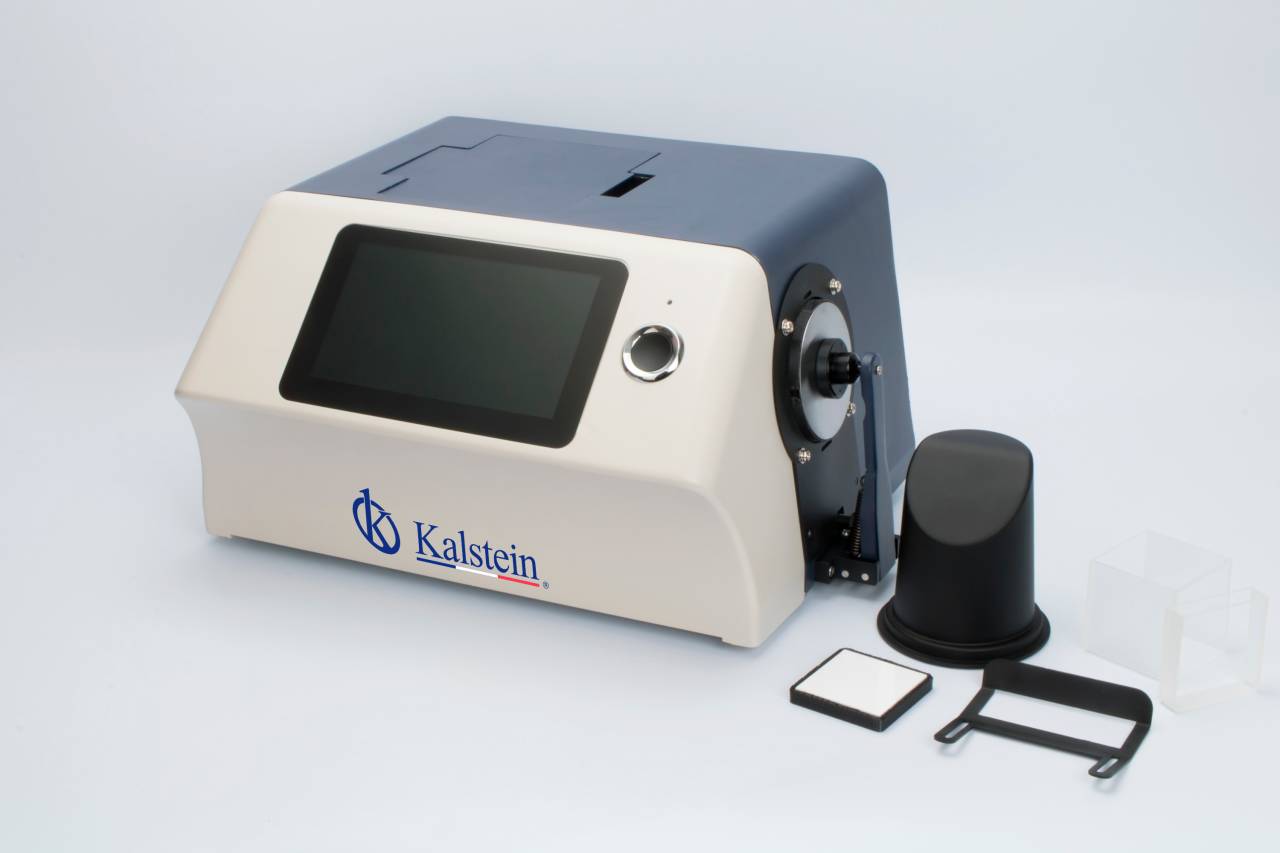
Food that reaches the consumer has already gone through a journey from the producer, packaging, distribution and placing on the shelf. During this process, food is exposed to foreign agents. These impurities are called contaminants, which can become harmful to people’s health, or damage the product causing loss of money. Its origin is diverse and contamination can occur at any stage.
How is water contamination determined with the use of a spectrophotometer in the laboratory?
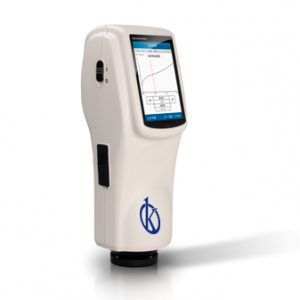
Water is a colorless and odorless liquid, present in a more or less pure state in nature, represents 80% of the composition of most organisms and intervenes massively and decisively in the realization of their metabolic processes. It is classified according to its state and salinity level. Natural water can contain a wide variety of impurities, these will be characteristics of the hydrological cycle you have experienced.
What are the advantages and disadvantages of liquid nitrogen?
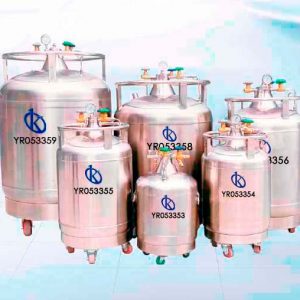
Nitrogen is a chemical element that has multiple uses, either in elemental form in gaseous state, in liquid state or the diversity of compounds that can be synthesized from it. Its use in the liquid form has its advantages that are related to the specific field where it is applied, while its disadvantages are more homogeneous and depend on the intrinsic properties of having a gaseous compound under conditions of pressure and temperature to be in liquid form.
Use of Nitrogen Tanks for the Dermatological Sector
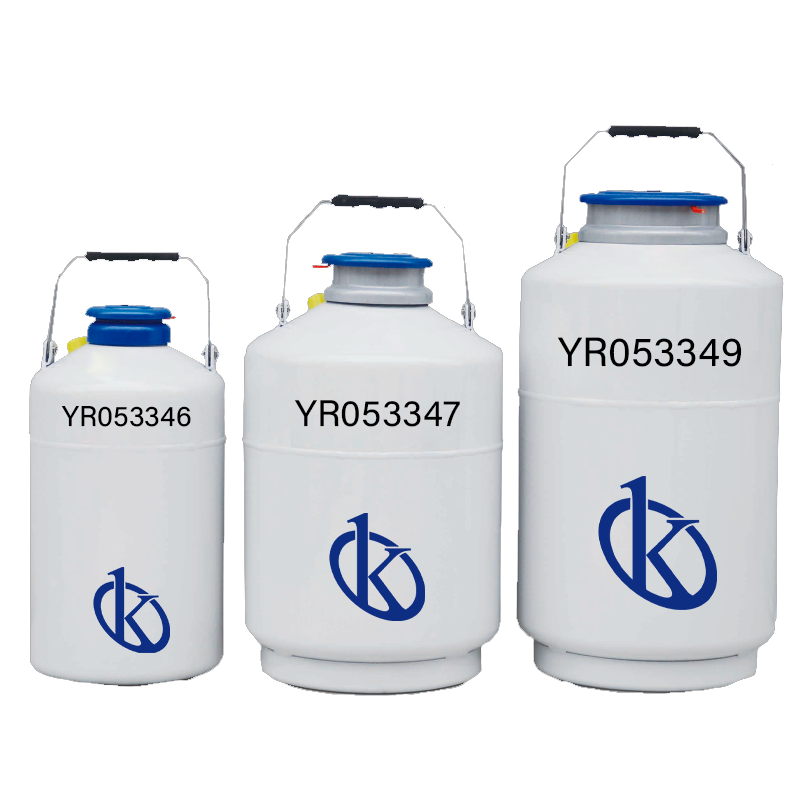
Liquid nitrogen, or LN2, is used in dermatological treatments in therapies known as cryotherapy. The term originates from the Greek word “kryo” meaning “cold”, so cryotherapy refers to a cold medical treatment, and belongs to the so-called thermotherapies, which have been used by people since ancient times. Dermatologists have applied this type of therapy since before 1900.
CO2 incubators What are the different types that exist?
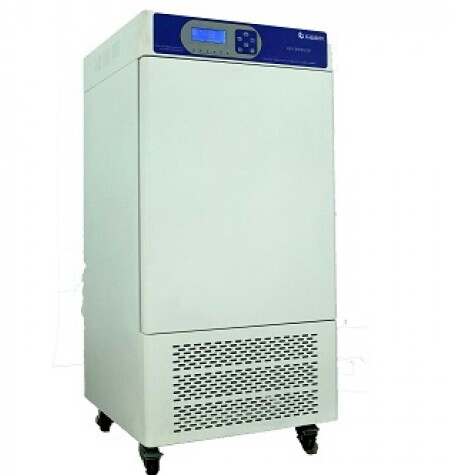
CO2 incubators are an advanced instrument where the development of cell cultures and tissues is carried out an environment with natural atmosphere, these incubators guarantee a temperature, humidity and CO2 content offering to the tests the maximum growth and safety, in KALSTEIN we have a CO2 incubator that meets the requirements of cultures of living organisms in vitro, one of the main applications of this type of incubators.
Which are the different types of laboratory incubators ?
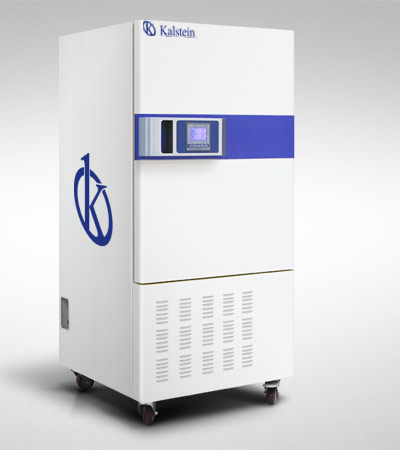
Without doubt incubators have a specific function within a laboratory, and that is to store and condition the environment, to carry out the necessary microorganism tests effectively and efficiently, some of their applications are to maintain microbiological and cellular cultures, in addition to analyzing microbiology compounds and the development of organic compounds; incubators manage to maintain the levels of carbon dioxide and oxygen that facilitate these studies, that is by the temperature, pressure and circulation of the air, characteristics of these equipment.
Main differences between a laboratory ovens and a laboratory incubator
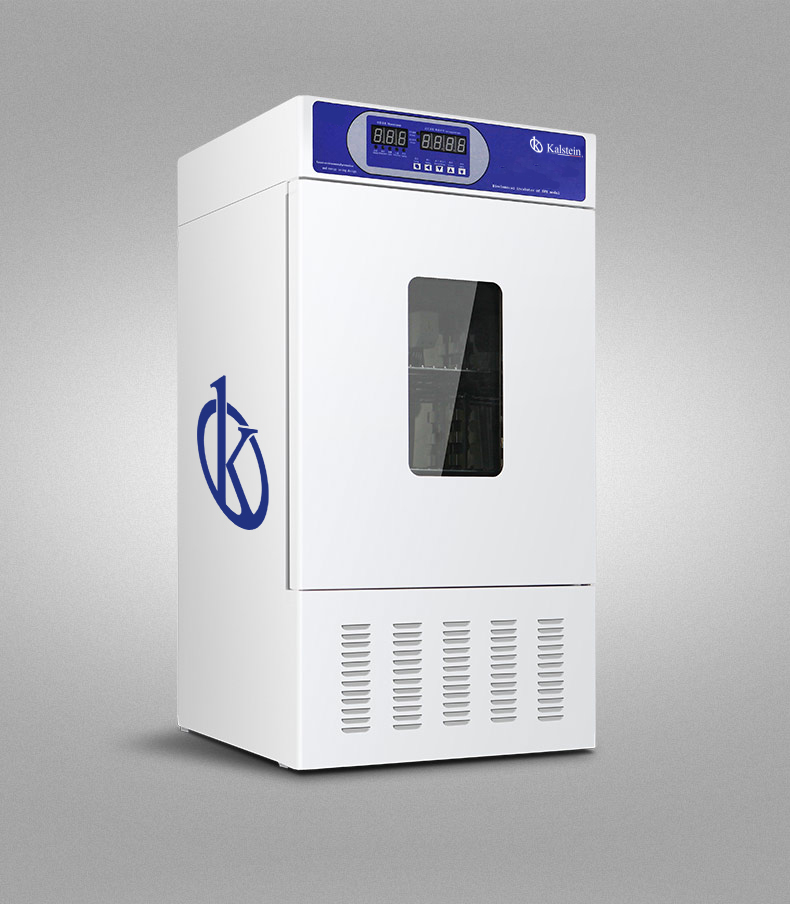
Among the great variety of equipment needed to carry out the many activities of a laboratory, we can highlight the use of ovens and laboratory incubators, basic equipment that is often used remove often. Although laboratory ovens and incubators may look the same and generate heat as per user settings, they differ in many factors that make them suitable for their specific function.
CO2 incubator: Recommendations and care
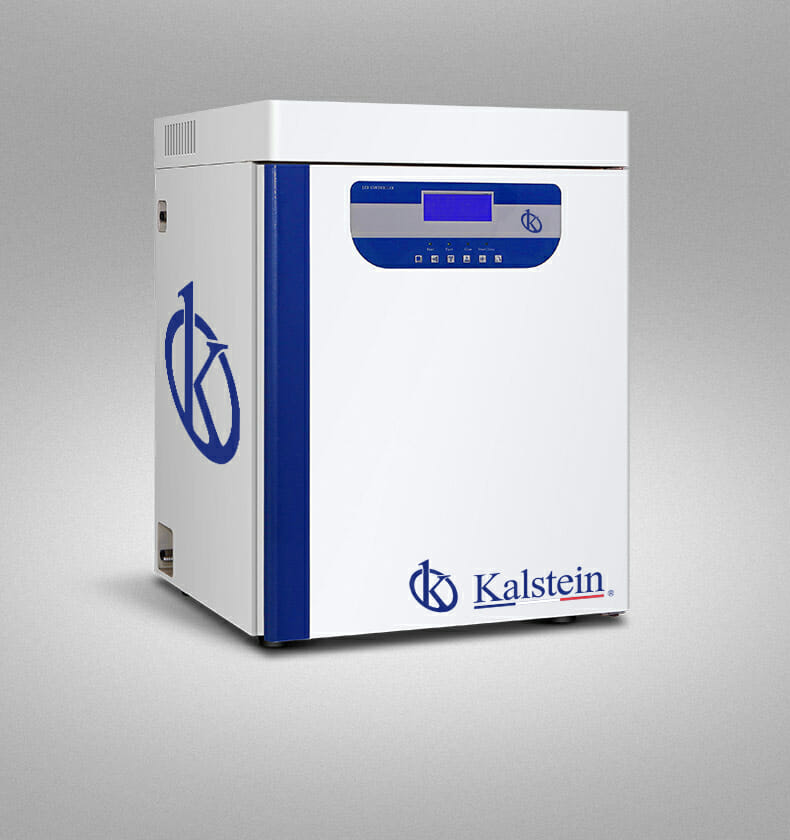
A CO2 incubator is a laboratory equipment that is also called a gasification incubator, and is used to carry out the development of cell and tissue cultures through a natural atmosphere. This culture of living organisms in vitro is one of the main applications of CO2 incubators.