
How is the laboratory incubator used?
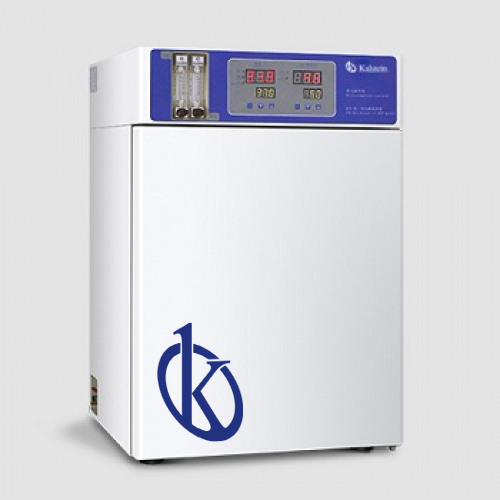
The laboratory incubator is a piece of equipment capable of maintaining the optimum temperature and humidity necessary to maintain microbiological and cell cultures; It also maintains the oxygen and carbon dioxide levels within it. She is in charge of conditioning the environment and storing the cultures for the proper development of microorganisms.
Shaking incubators What is their function?
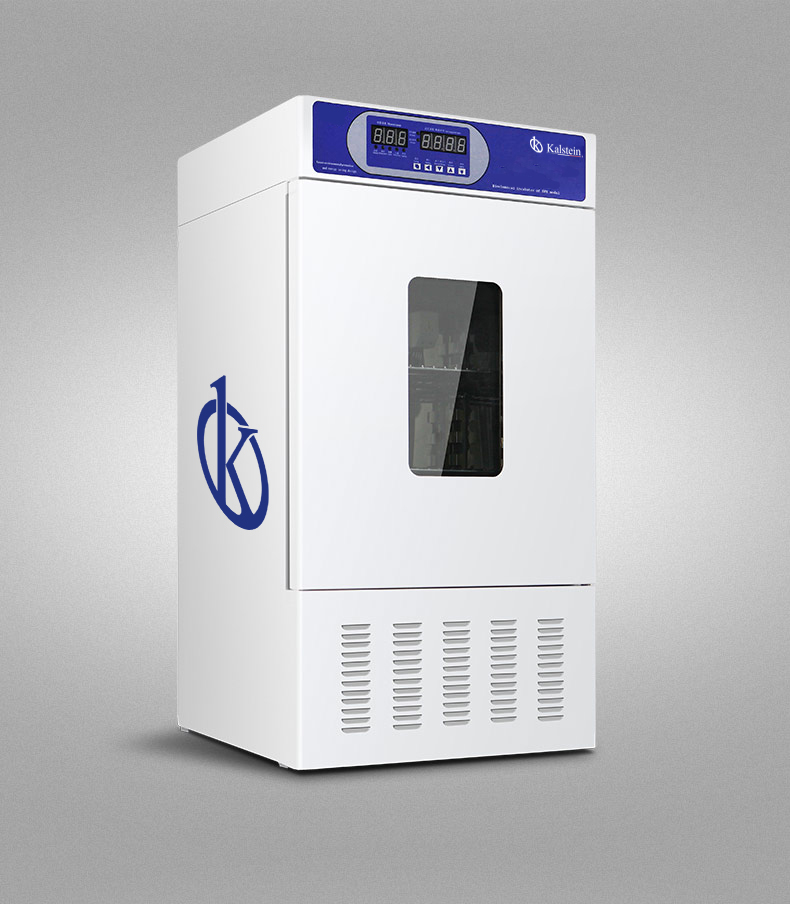
A shaking incubator is laboratory equipment that allows samples to be incubated and shaken simultaneously, for which it has a specialized design that allows it to carry out these functions. They are ideal instruments for different applications such as aeration and cell cultures, microbiological culture development, solubility experiments, hybridization, fermentation, biochemical and enzymatic studies.
What are the advantages of optical surgical navigation systems?
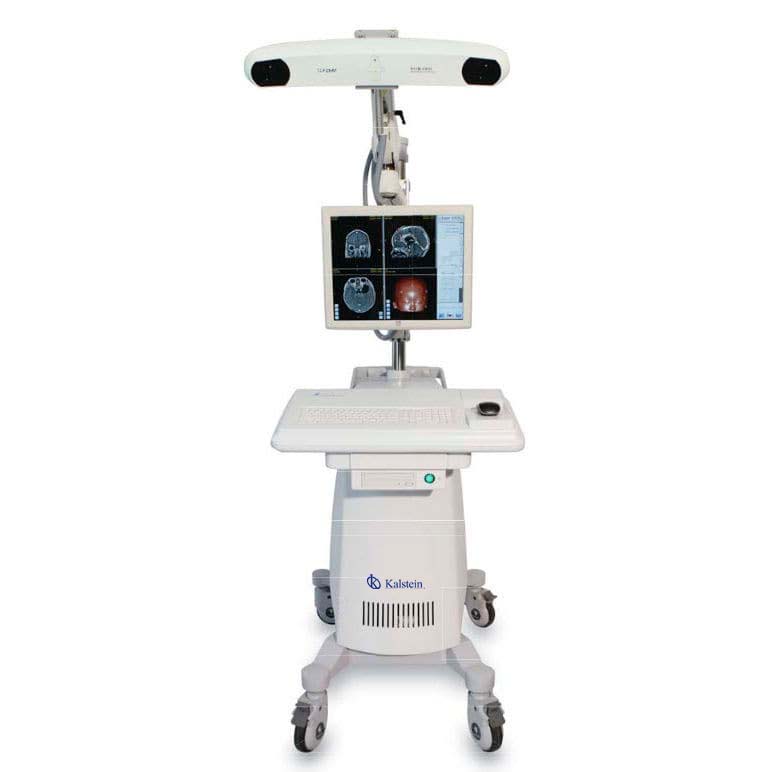
Through the use of surgical optical navigation systems, allows the development of surgeries through augmented real technological simulation, which is characterized by sensory perception, adding visual content as guides to help make them less invasive and show the role of staff as a comparative advantage over virtual reality.
Characteristics of a surgical navigation system
A surgical navigation system is a medical device that allows the anatomy of the patient to be visualized during a surgical procedure and the precise location of surgical instruments to be tracked. Using this equipment during various surgical procedures can provide greater accuracy, make procedures less invasive, and help achieve better surgical results.
What are the parts of a surgical navigation system?
A surgical navigation system is an intraoperative imaging-guided localization system, the primary function of which is to provide surgeons with real-time feedback on the location of surgical instruments in relation to the patient’s anatomy. It thus helps in the planning and execution of surgical procedures in operating rooms by guiding surgical instruments such as the electrical knife. There are two types of navigation system, the optical and the electromagnetic, both providing combined flexibility and efficiency in a design that takes up little space in the operating room.
What is the function of optical surgical navigation?
Computer-assisted surgery is the use of computer technology to perform and plan a surgical procedure. Optical surgical navigation is considered, the passage of computer surgery as a traditional basic element leading to tactile control, stereoscopic vision, manual dexterity and complete visual control of the surgical field.
Surgical browsers: What technology do they use?
A surgical navigator is a sophisticated medical team that is employed in the precise planning and execution of surgical procedures in operating rooms, that is, they act as a guide to other surgical instruments such as the scalpel. Its structure consists of a series of instruments that are connected to screens by sensors with imaging methods.
What is an optical surgical navigation system?
A surgical navigation system is a device that helps in the planning and execution of surgical procedures in the operating rooms, that is, it allows the guidance of surgical instruments such as a scalpel. It consists of instruments that are connected to screens by sensors with imaging methods. There are two types of navigation system: optical and electromagnetic, which provide flexibility and efficiency combined in a design that takes up little space in the operating room.
Importance of a spectrophotometer in a laboratory
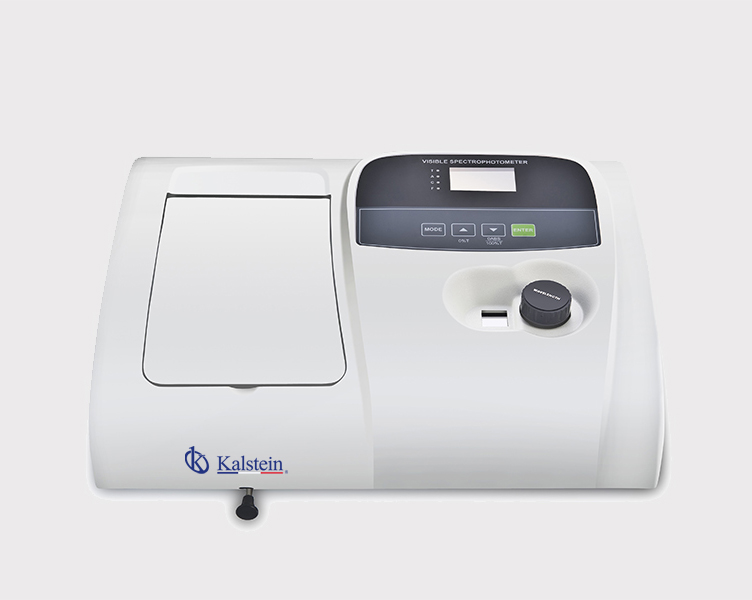
A spectrophotometer is an instrument widely used in laboratories to measure the absorbance of a sample, as a function of the wavelength of an electromagnetic radiation, and thus know the concentration of substances in a solution.
What types of spectrophotometers are available?

It is an apparatus for continuous use in laboratories, it allows an analysis of the electromagnetic radiation beam or light that is absorbed when passing through a solution, strengthening the science of spectrophotometry, in addition it has the ability to measure the magnitude of waves and the relationship of these with the values of the photometric, it also quantifies the microorganisms and substances in the chemical research laboratories.