
Why are Pipettes Important for experiments?
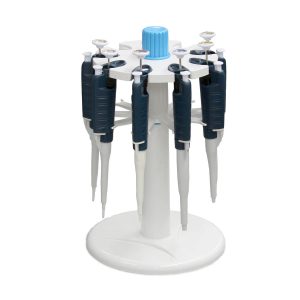
Pipettes are an important tool for many different types of experiments. They are used to measure and dispense small amounts of fluids and are often used in experiments that require accurate measurements.
How are Pipettes used in the Laboratory?
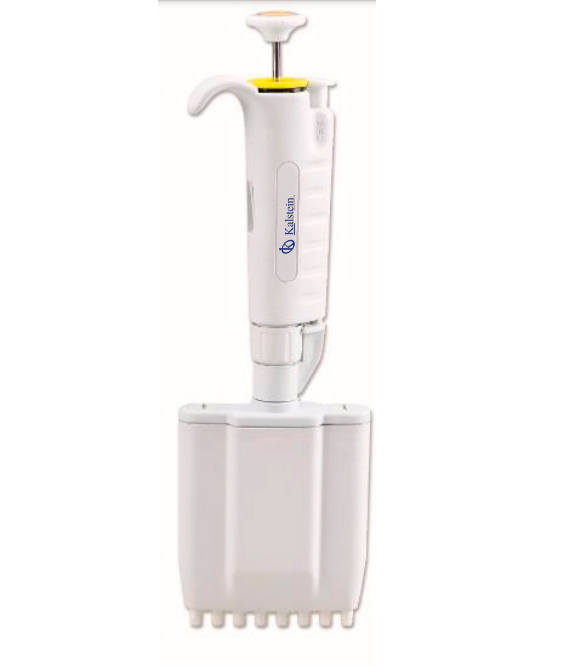
A pipette is a laboratory instrument used to transport liquids from one container to another. Pipettes are made from a variety of materials, including glass, metal, plastic and porcelain. There are different types of pipettes, each designed for a specific use.
How can Pipettes be used to Transfer Liquids?
They are also made from a variety of materials, including glass, plastic, and metal. Glass pipettes are the most common and can be found in most laboratories. Plastic ones are cheaper than glass ones and are lighter, making them easier to use. Metal rods are more resistant to heat and corrosion, so they are used in some specialized laboratories.
Laboratory pipettes, steps for its correct use
Nowadays, the use of micropipettes, the most modern version of these laboratory pipettes that allow the use of different liquids without having to wash the device, is worth noting: for this purpose, disposable plastic tips are used, which are usually sterile, since In turn, they work with microvolumes, bone very small volumes.
How is Turbidity Measured in Portable Water?
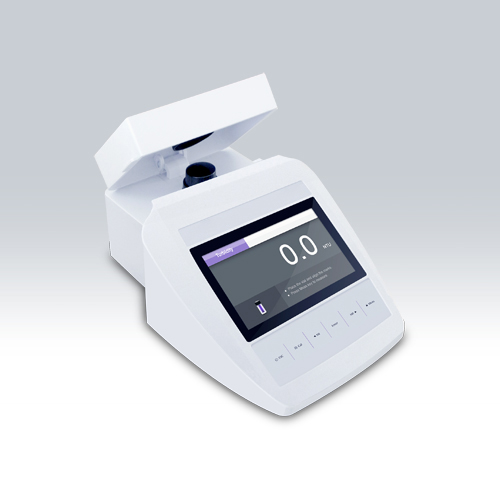
Turbidity in drinking water can be measured using a measuring device known as a turbidimeter. The turbidimeter is an electronic device that measures the degree of dispersion of small particles suspended in water. These particles may include minerals, sediments, suspended organic matter, and bacteria. If too many particles are suspended in the water, it can have a negative effect on the appearance and taste of drinking water. These suspended particles can also currently cause color, taste and odor defects in water. For these reasons, it is important to control turbidity to ensure good water quality.
Application of Infusion Pump in the Treatment of Diabetes
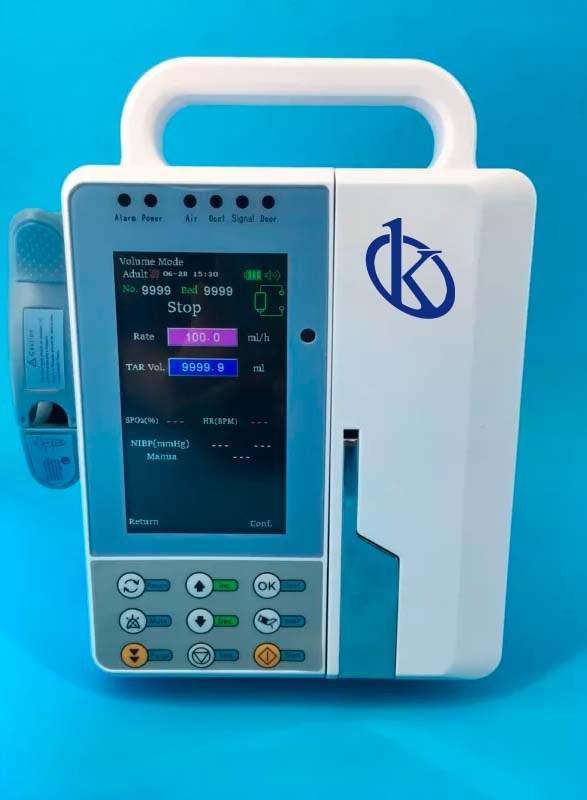
The infusion pump is a medical device used to deliver drugs intravenously to hospitalized patients and also allows accurate delivery of contaminated solutions and fluids. These pumps offer a higher level of control over the dose of the medicines given to the patient and also increase patient safety at the same time.
Treatment of jaundice in infants and neonatal phototherapy incubators

When a baby is born the first thing is to offer immediate care, in the case of a jaundiced newborn it is important to determine if it is a physiological jaundice or a pathological jaundice, when we are facing a mild jaundice almost always disappears without treatment between two or three weeks, but if on the contrary the baby presents
Infant heater and infant incubator: what are their differences?
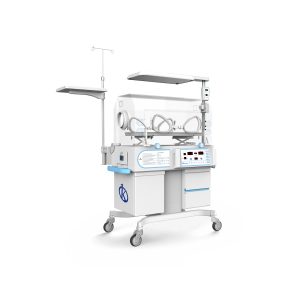
In this equipment, heat transfer occurs mainly by thermal radiation; since the source of heat energy is separated from the heat receiver and this (heat) is transmitted through the air in the form of electromagnetic waves. The way this heater works and its structure facilitate quick access to the child and even directly observe it, this is one of the differences with infant incubators. At the same time, they provide continuous heat to keep the newborn’s temperature stable…
What are the differences between neonatal incubator and children’s radiant tables?
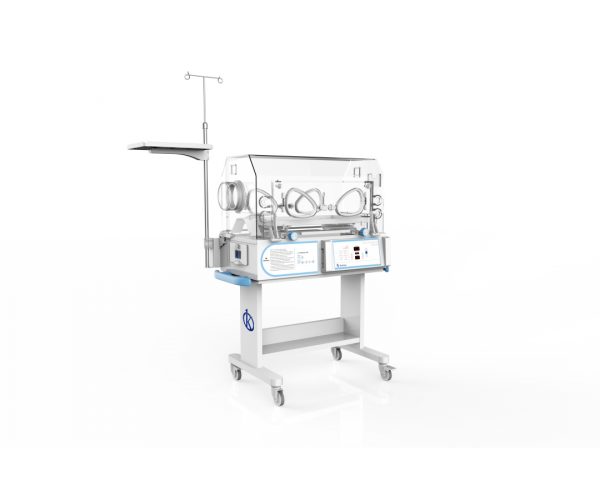
Neonatal incubators and radiant tables for children are medical equipment specialized in heat transfer to the neonate, where their management is simple and they have mechanisms that control the amount of heat that has to be emitted by means of a servo-control temperature system, which transmits more or less heat depending on the temperature that is programmed and required by the patient.
How is the handling of a child incubator?
Incubators, within their functions, resemble an artificial uterus, creating an optimal environment for the newborn. They are made with hypoallergenic material, transparent material, mattress, platform, rolling base and control module, where all the parameters that will control the temperature are found.