
How is the Anesthesia Machine used in combination with medications?
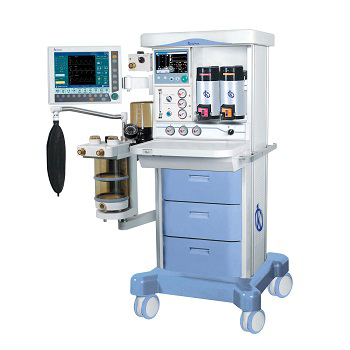
Medication anesthesia is a surgical technique used to induce a general, regional or local anesthetic state in patients undergoing surgery. Medication anesthesia is administered through an anesthesia equipment, known as an anesthesia machine, which is a complex equipment composed of many devices, such as delivery systems according to need, medical monitors and safe equipment.
What is the Anesthesia Machine Alarm System Like?
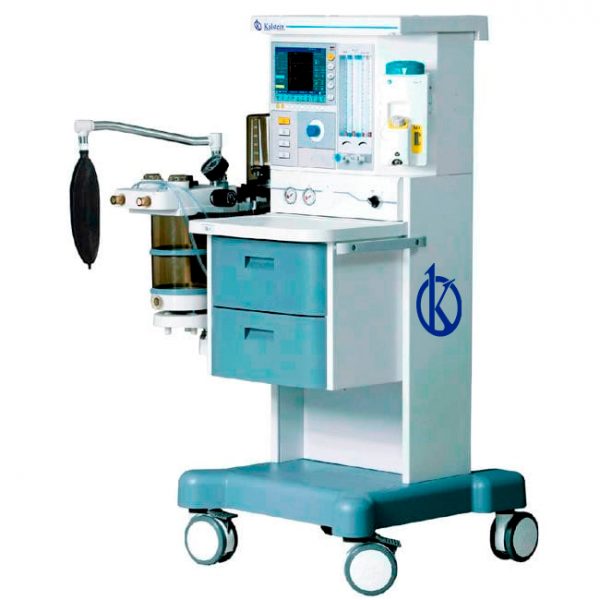
An anesthesia machine alarm system is a device that warns anesthesiologists of sudden changes in the patient’s vital parameters during surgery. Modern anesthesia machines are equipped with patient monitoring systems to monitor and adjust the components of the anesthetic gas during surgery. These systems include a variety of devices, from computer algorithms to external ceiling-mounted monitors capable of detecting key physiological changes in the patient’s body tissue. The alarm system is one of the key features of these machines that allows them to alert medical equipment if abnormal changes occur in patient parameters.
Changes in the Blood Composition of the Newborn During and After Phototherapy

Phototherapy incubator technology involves the application of artificial light to treat neonatal jaundice, which is a condition in which bilirubin accumulates in the baby’s body. Bilirubin is a waste product of hemoglobin, which occurs when red blood cells die. Neonatal jaundice is a relatively common condition, and is usually not dangerous. If left untreated, however, it can cause permanent brain damage.
The use of the Incubator of Phototherapy to improve the stability of the Newborn
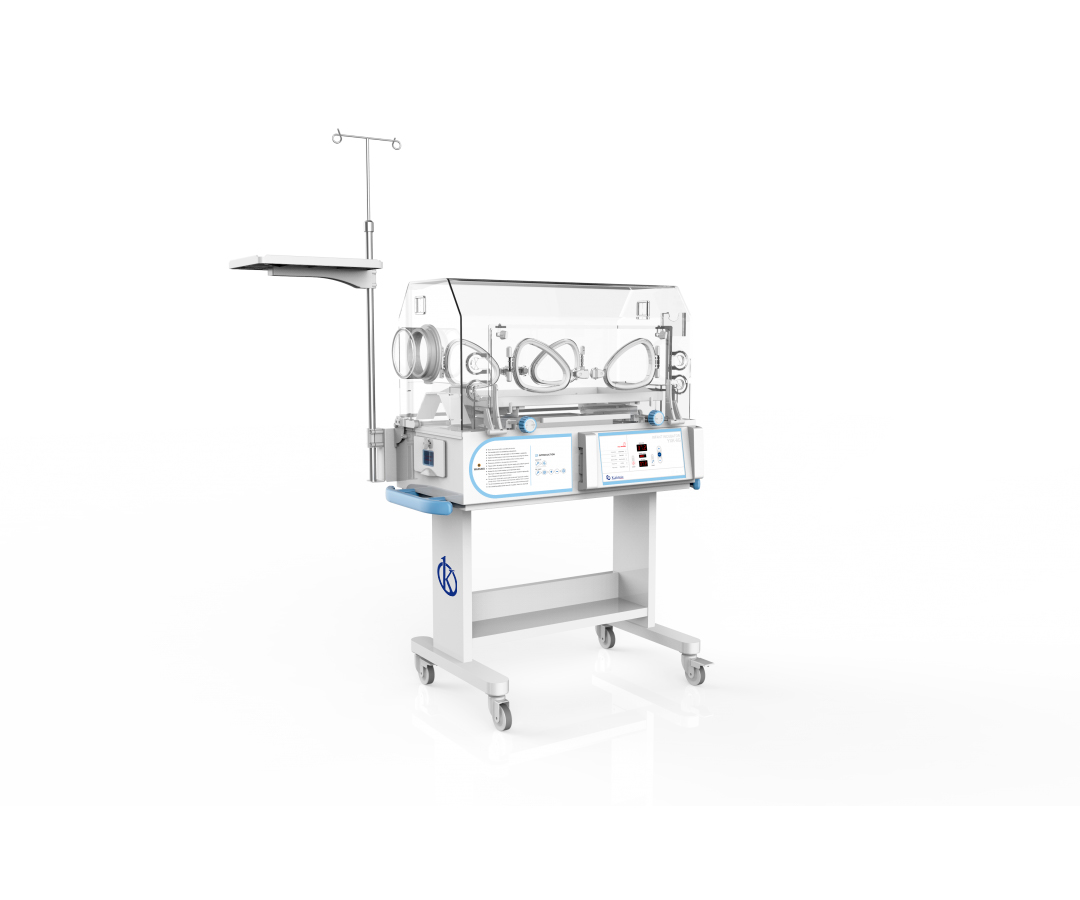
An incubator is a piece of medical equipment that provides a controlled and warm environment for premature and sick newborns. A baby placed in an incubator is more likely to survive than a baby left in a cold room.
Reverse Osmosis: method for efficient pre-treatment of waste water
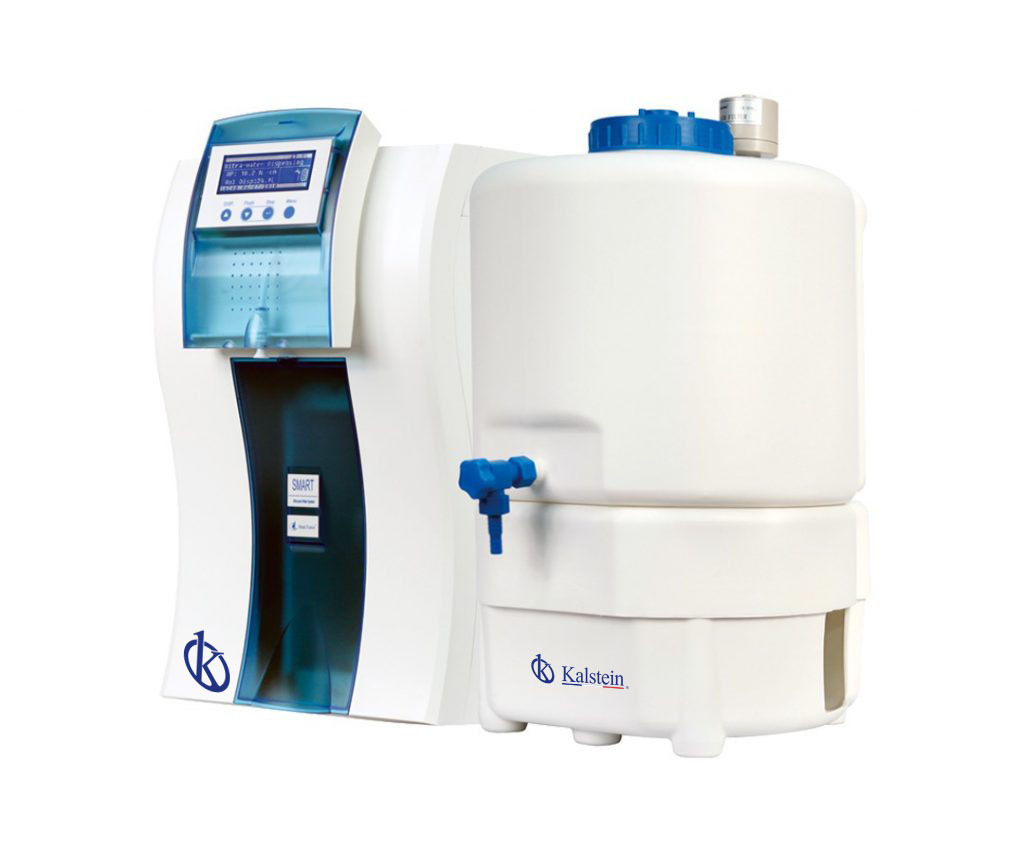
It is a water purification technology in which a semi-permeable membrane is used. Where, the flow of pretreated water passes tangentially with respect to the surface of the same; while the permeate is extracted perpendicularly the water is separated from its almost total content of dissolved minerals, which are continuously swept from the surface and go to waste or recirculated with the help of a high pressure pump.
Application of Reverse Osmosis in the purification of water
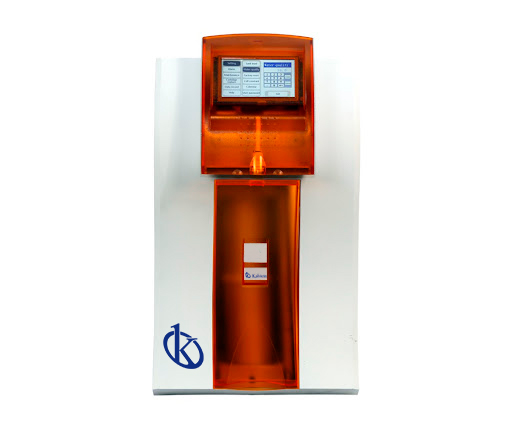
Reverse osmosis is a filtration process in which the flow of pretreated water passes tangentially with respect to the membrane surface, while the permeate is extracted perpendicularly the water is separated from its almost total content of dissolved minerals that are continuously swept from the surface and go to waste or recirculated with the help of a high pressure pump. This system is also called “crossflow filtration”, which is much more efficient than conventional filtering.
What is the best material to make Pipettes?
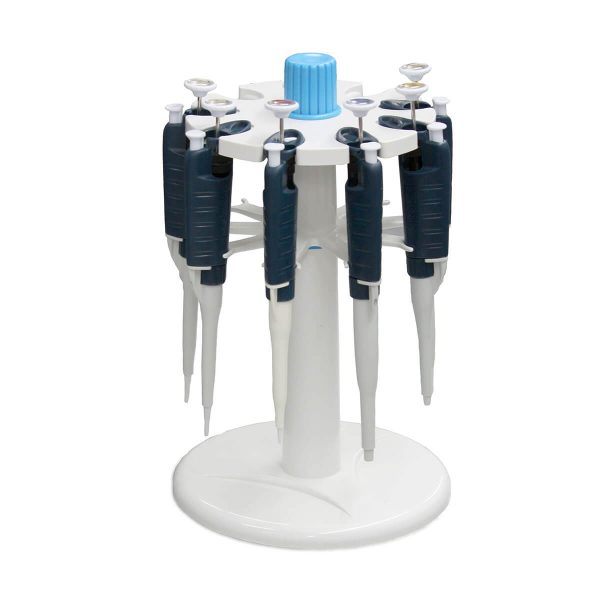
The pipette is a laboratory tool used to measure and transfer small amounts of liquid. They are available in a variety of sizes and materials and are selected based on their intended use.
What are the different kinds of Pipette?

Pipettes are tools used to transfer small amounts of liquid from one container to another. They are commonly used in laboratories to measure, mix and transfer chemicals and samples. There are many different types of pipettes available, each with its own advantages and disadvantages.
What are the steps to use and calibrate a turbidimeter?
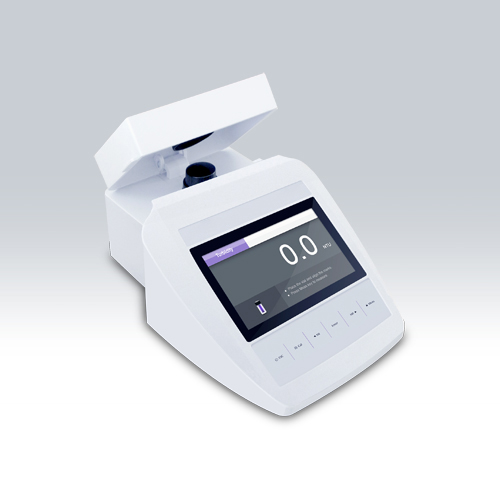
A turbidimeter is an instrument used to measure suspended particles of a liquid or dissolved gas, through an optical analysis, providing reliable and accurate measurements. This equipment is used to detect particles from light sources for ultra pure water and high turbidity applications.
Turbidimeter or turbidity meter. How should it be used?

A turbidimeter is a device that allows evaluating how cloudy a liquid is, that is, it determines the turbidity. It does this through an optical analysis that allows it to measure the particles in suspension in a dissolved gas or in a liquid. For which it uses a light source and a light detector (a photocell) set at right angles to the original beam.