
3D Technology in Veterinary Radiography: A Major Advancement in Diagnosis
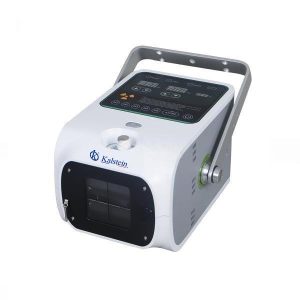
The evolution of medical technology has brought significant advances in animal healthcare. One of these major developments is the application of 3D technology in veterinary radiography. Kalstein, a renowned medical equipment manufacturer, has been a leader in driving these innovative changes. Such evolution has made the generation of high-quality three-dimensional images a tangible reality.
Buying Guide for Multifunction Veterinary Lamps
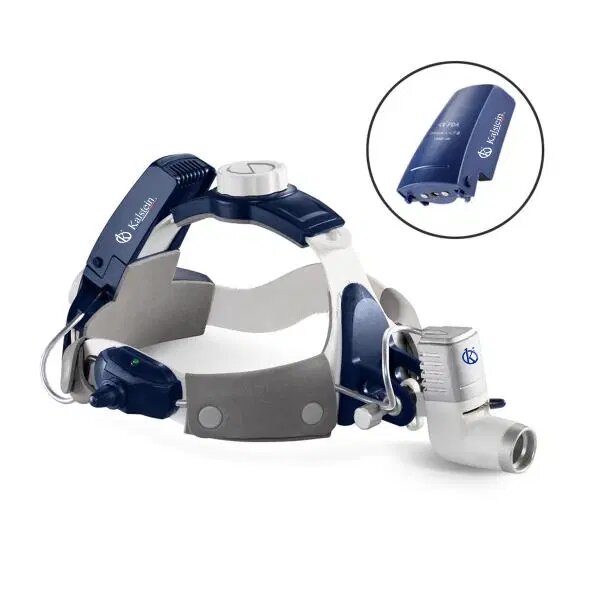
Multifunction veterinary lamps are an integral part of any veterinary office or hospital. This guide will provide you with a detailed overview on how to select the best lamp for your practice, highlighting the advantages of choosing Kalstein as your preferred manufacturer.
Comparison: Manual Surgical Equipment vs Electric Surgical Equipment in Veterinary Medicine
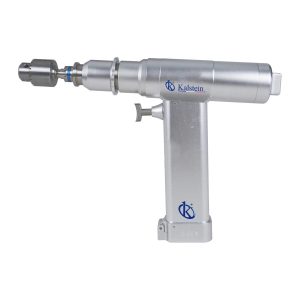
In the world of veterinary medicine, the variety of surgical equipment is astonishing and overwhelming. Among the traditional options, we have manual surgical equipment. These instruments, considered as the foundation of the veterinary profession, include scalpels, scissors, pliers, forceps, and suture devices.
What are the Bacticinerator Applications?
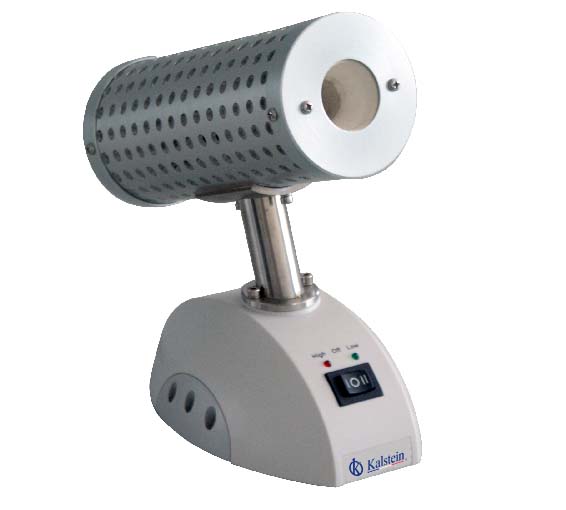
For the sterilization of the handles used in microbiology laboratories, the use of the Bacticinerator is ideal. This disinfects handles made of platinum, needles, glass tube/pipette nozzles, and various glass and metal instruments by incinerating at temperatures between 500 °C to 815 °C or more. These processes succeed in eliminating pathogenic and non-pathogenic microbial load from culture instruments. In this sense, the Bacticinerator is applied in food, pharmaceutical and / or cosmetic industries; passing and diluting samples up to 1g, avoiding microbial contamination.
Safety measures for the use of the Bacticinerator in the laboratory
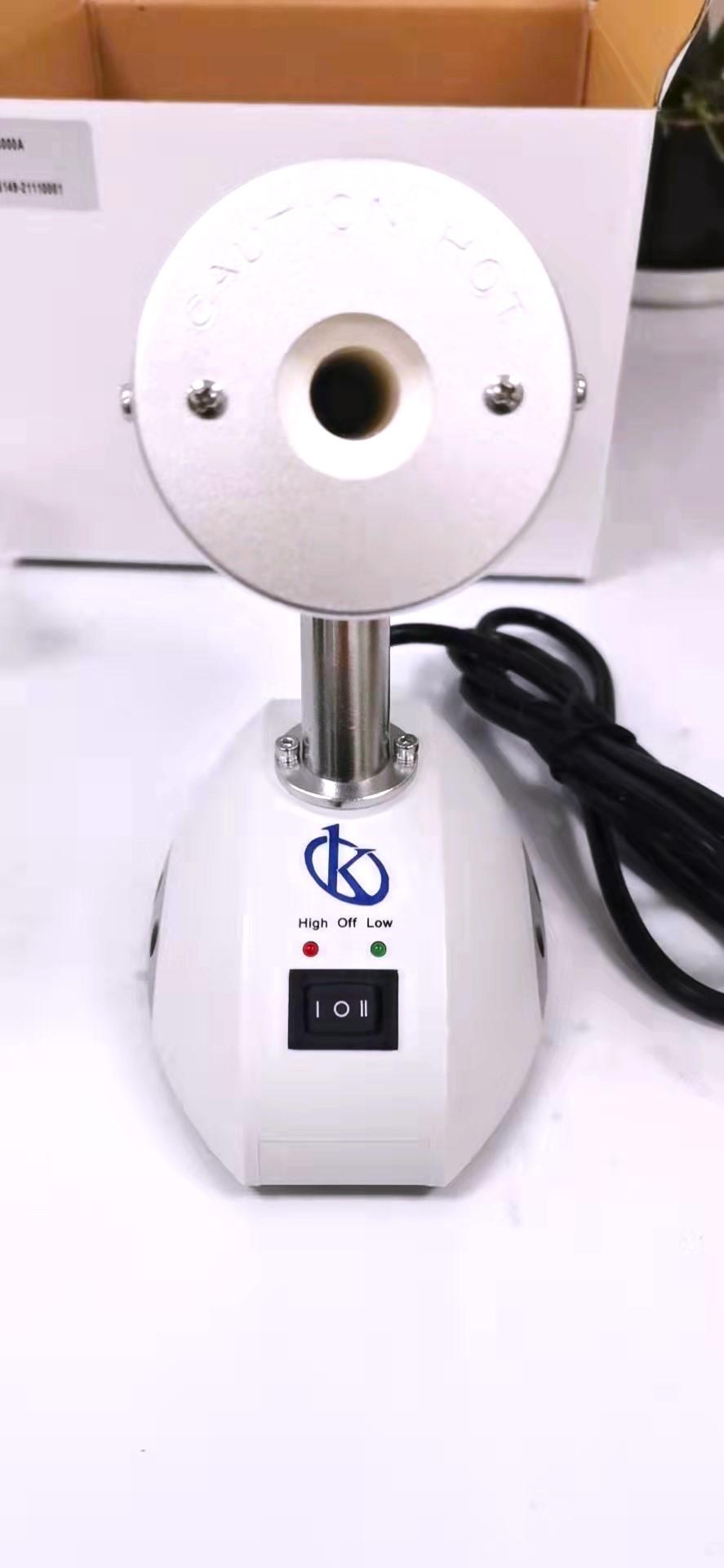
It is important to comply with security measures, because it is not only the right way to work, it is the only way to do it. Therefore, working in a laboratory involves the use of equipment and other elements, whose dangers are mandatory to study them to prevent in all aspects. Reflecting on safety measures in the laboratory is a formal requirement, since the risk of accidents such as burns, poisoning, fires or electrical shocks are always present.
Why is a bacti-cinerator important?
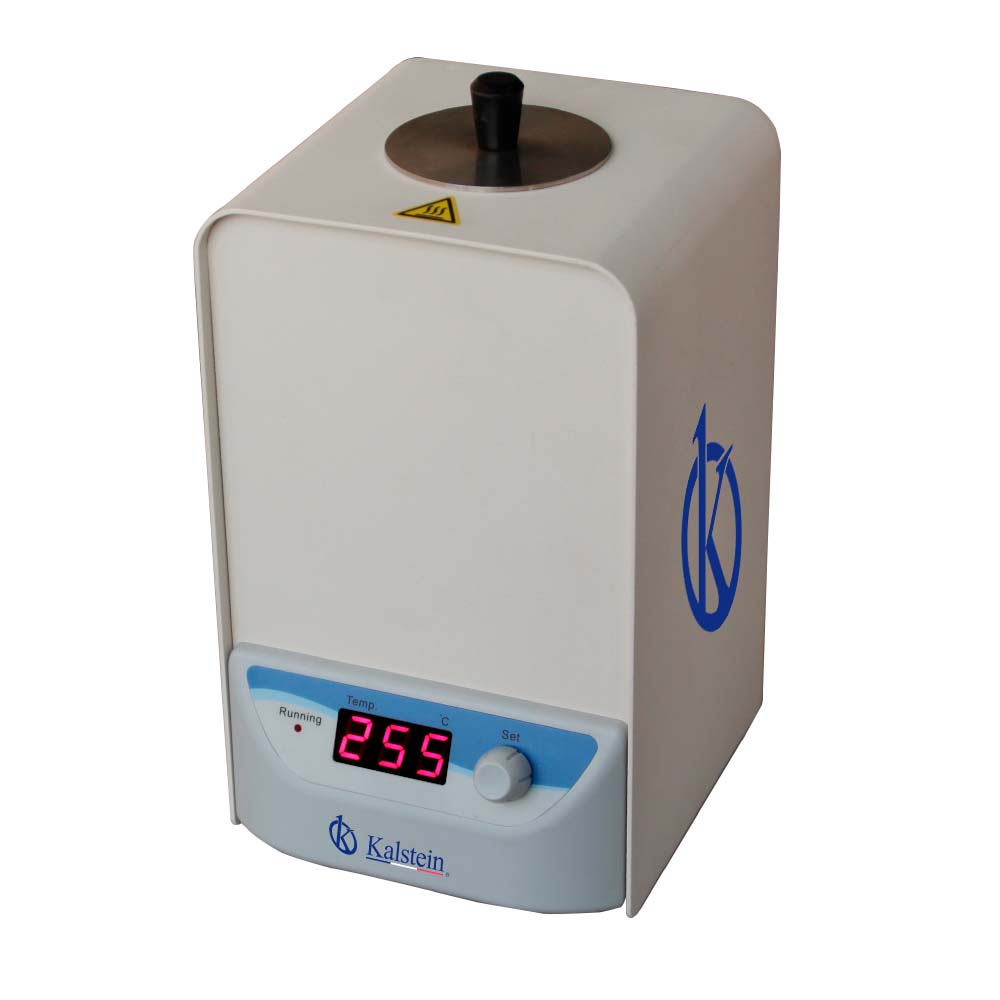
A bacterium-incinerator is a device used in microbiology laboratories to sterilize instruments, consisting of a ceramic tube surrounded by metal and with a hollow portion in the center. When ignited, the bacti-incinerator can reach temperatures around 800 degrees Celsius, enough to incinerate any organic material in an inoculation roast.
Bacticinerator Characteristics
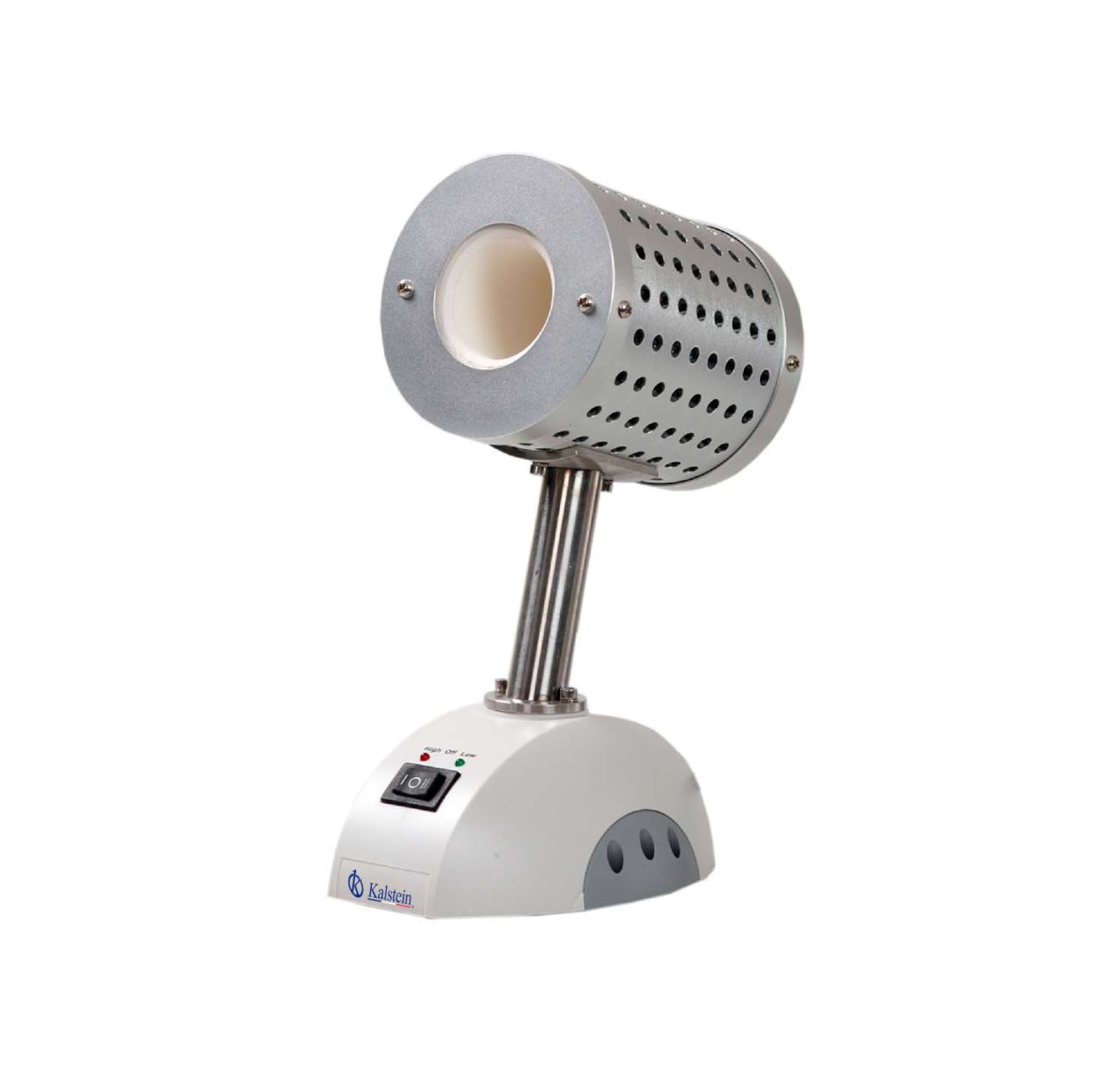
The Bacticinerador sterilizer is a gas-free, flameless laboratory instrument for use with microbiological needles and inoculation handles. It achieves sterilization through infrared heat without dangerous splashing of microorganisms, to comply with widely fundamental antiseptic techniques in the field of microbiology.
How is the Analytical Balance used for the production of Parkinson’s treatment?
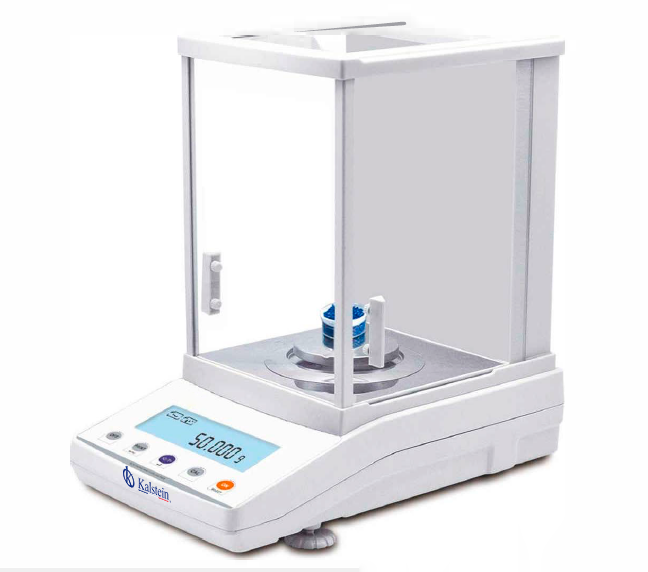
In the late 19th century, scientists began to suspect that the lack of a chemical in the brain could be causing Parkinson’s disease. In the early 20th century, Dr. James Alzheimer identified an abnormal chemical in the brain of a patient with this disease. Although the chemical is now known as a beta-amyloid plaque, it was thought at the time to be the cause of the disease.
What is an autoclave with drying?
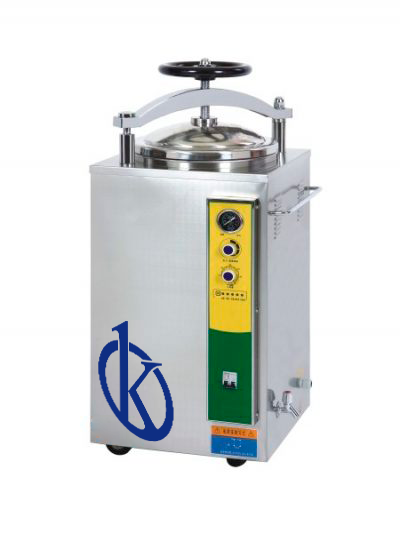
An autoclave is essentially a pressure vessel that uses steam pressure as a sterilizing agent. By increasing the pressure (above atmospheric pressure) the steam can reach higher temperatures. The additional pressure increases the boiling temperature of the water. Actually, about 20 ° C more. This effectively increases its heat content and its ability to kill. This comes from its latent heat of evaporation.
Autoclaves: what are its parts and maintenance required?
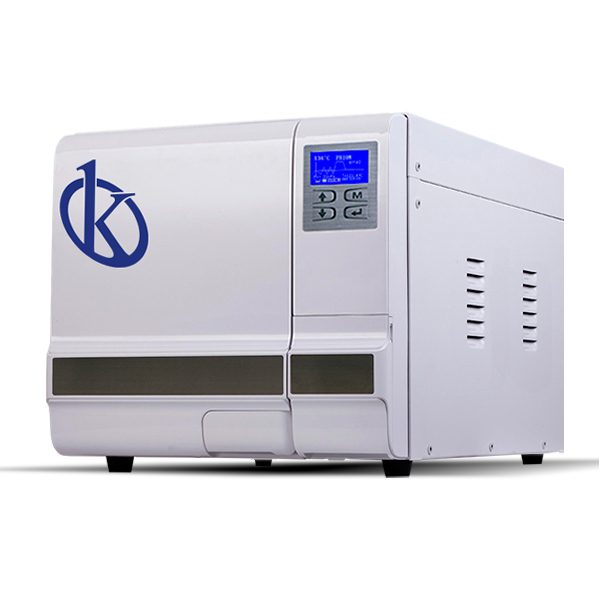
This equipment is indispensable in laboratories, clinics and surgical centers, as it is a fast, compact, versatile sterilizer; It is designed with high technology and cost-effectiveness, while offering operational efficiency and easy maintenance; the advantages of the autoclave lie mainly in the detoxification and sterilization of the material used in surgical treatments or research material; its primary function is as a sterilizing agent by treating water vapor at high temperature to destroy any microorganism found in the material.