
Overcoming barriers in laboratories: getting better results with industrial washers"
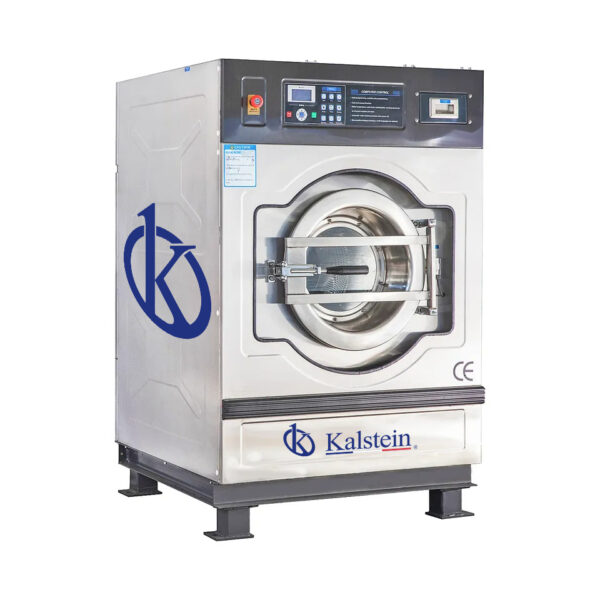
Laboratories look for the most effective ways to process test or research results, in order to obtain the best results; however, sometimes the initial steps can be overwhelming if the right equipment is not available; at this point, one of the first steps prior to obtaining results is washing the sample.
What are the safety requirements for laboratory water systems?
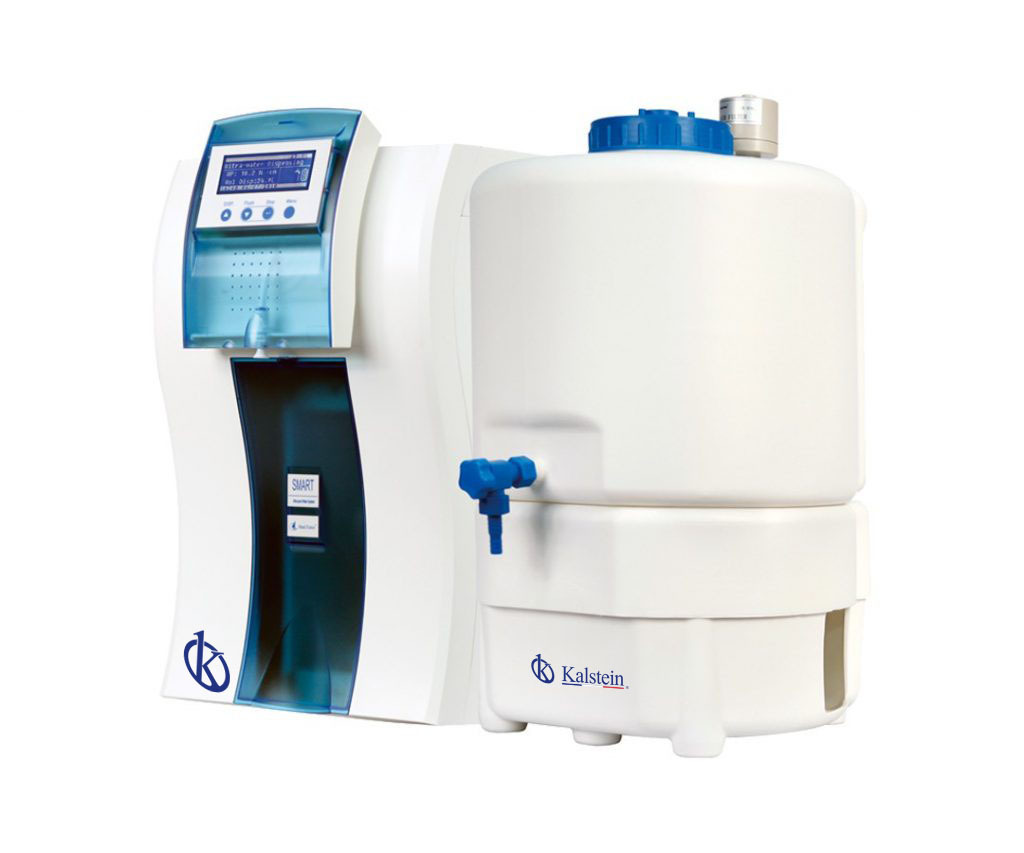
Laboratory water systems require certain safety measures to ensure the quality of the liquid and the proper functioning of the equipment with which they are handled; in pharmaceutical or clinical laboratories, water is a very important element for the preparation of medicines or the use in diagnostic tests.
Different operating systems of laboratory autoclaves
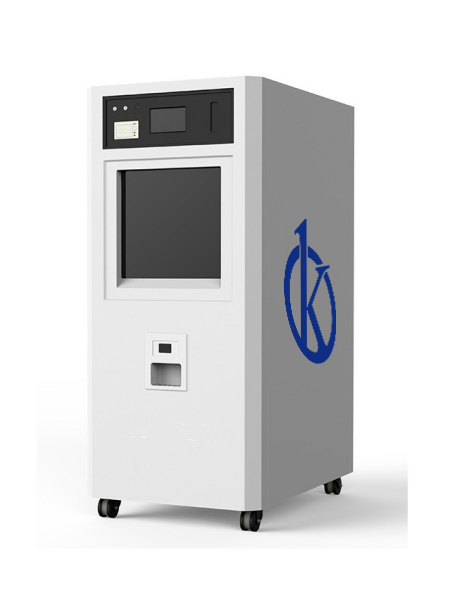
A laboratory autoclave is an essential instrument for laboratory work in which the use of heat and pressure is required to process materials; these cylindrical chambers are designed to apply heat and pressure to sterilize specific items, achieving the destruction of living microorganisms.
Discovering the Powerful Capability of the Water Distiller in Laboratories
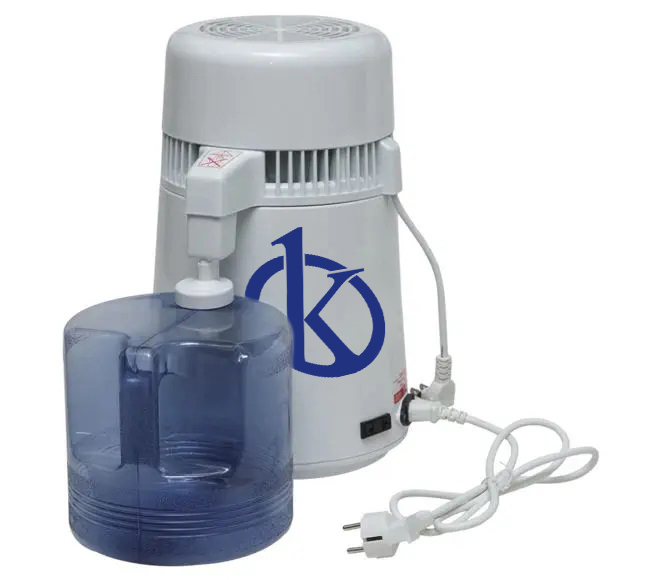
Technological advances in the field of science and industry are making the future look better every day, allowing to take off the course towards discovering a better future; technologies such as the water distiller are having a great importance for laboratories seeking to develop quality and efficient research.
Safety in the Handling of Laboratory Reagents
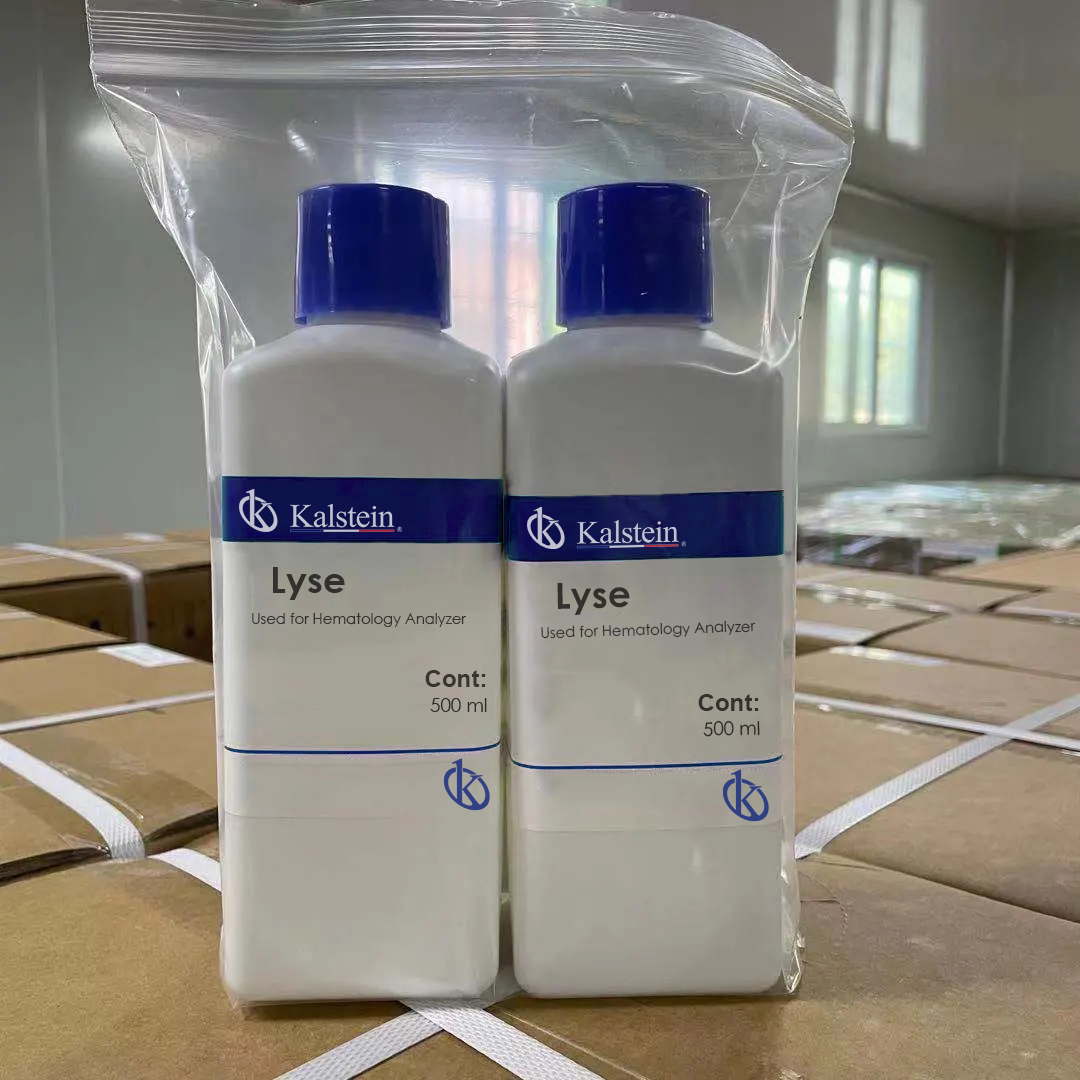
In any laboratory, safety is a key element in ensuring that work runs smoothly; this is particularly true when working with reagents, which can be highly toxic, dangerous or highly reactive if not used correctly. That is why proper training, safety procedures and good laboratory practices are essential for the work to be performed safely and successfully.
Advanced research with laboratory gel systems
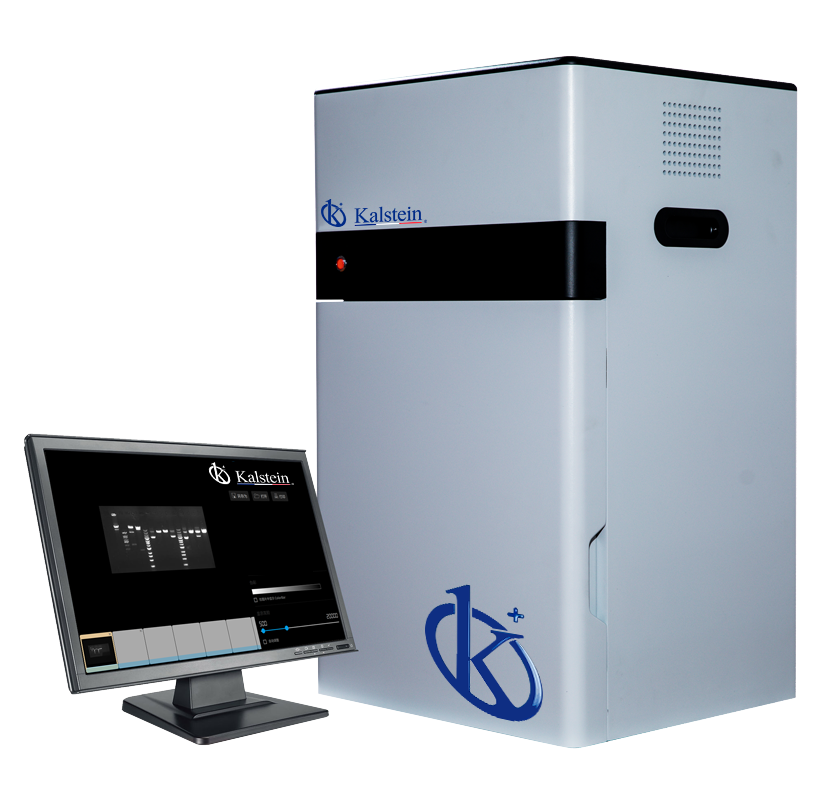
Advanced research with laboratory gel systems has occurred since the early days of molecular biology; this technology provides a huge breakthrough in identifying molecules within biological systems. Gene enables the separation and analysis of biomolecules such as nucleic acids, proteins or lipids from a sample quickly and cost-effectively; currently, advanced research with gel systems includes the use of modified gene to provide much more complete information about the molecules being studied.
Maximizing throughput in laboratories: better results with industrial washers
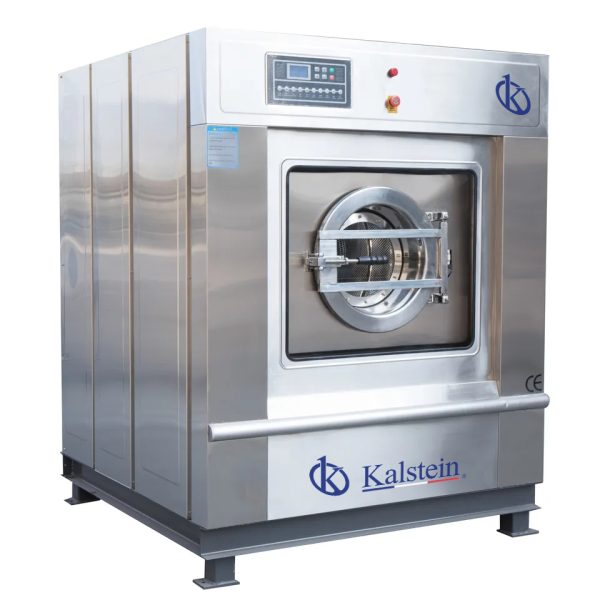
As the world becomes increasingly technologically advanced, so are laboratories; these modern educational spaces house all kinds of advanced equipment and high-tech machines.
How to Use Nitrogen Tanks for Fast Cooling
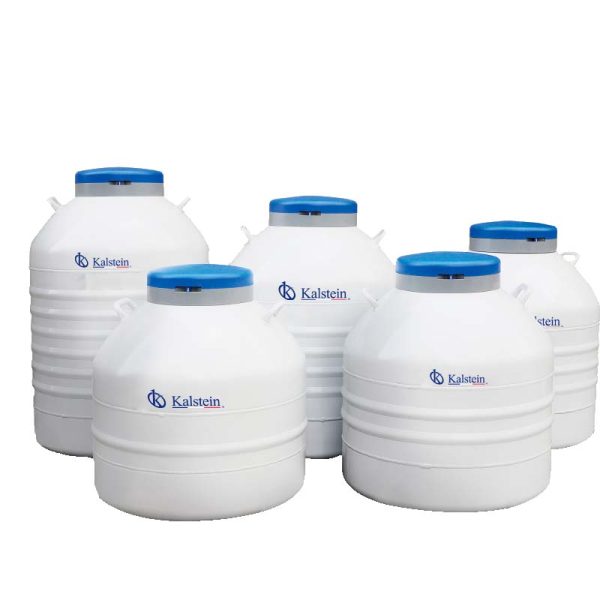
Rapid cooling is an industrial process that allows cooling of products and materials at very low temperatures. This technique has been developed to accelerate production, provide better quality, reduce costs and improve other aspects in the industry. In fact, rapid cooling has become an important part of many industrial processes.
What technologies are used to purify laboratory water?
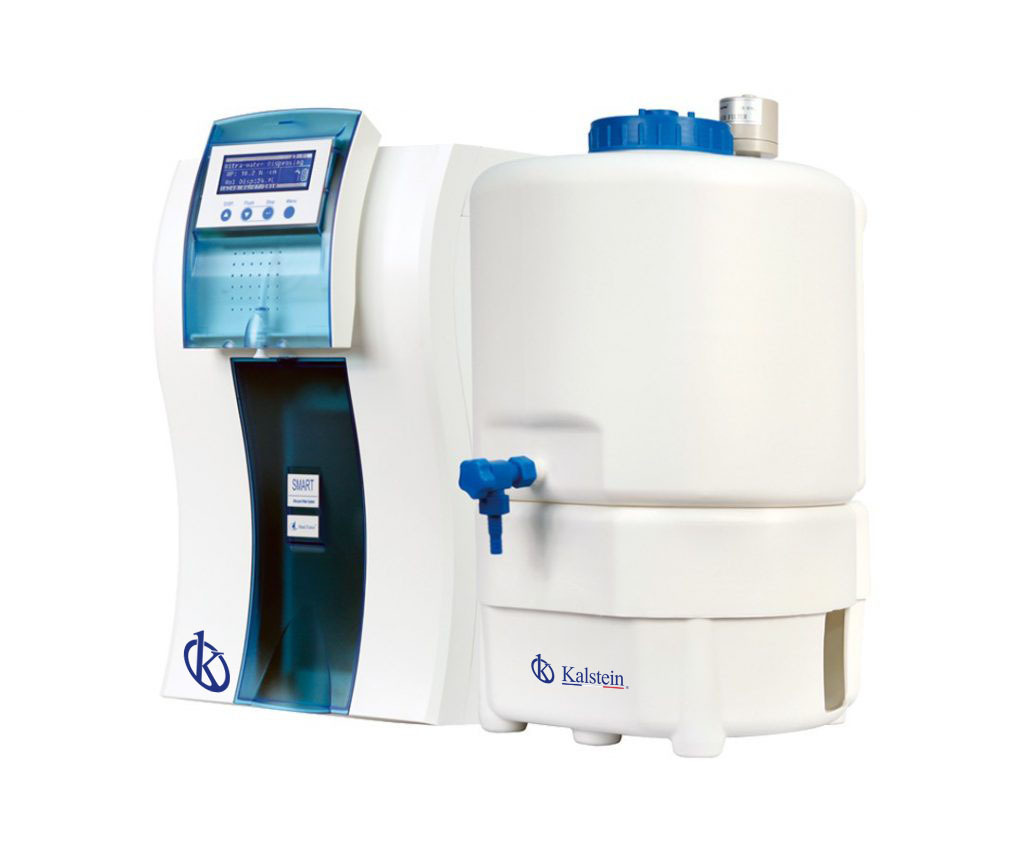
Water is the main component of most experiments, and therefore its purity and purity must be controlled to avoid errors in the results; for this reason, there is a wide range of laboratory water purification technologies, which differ depending on the use and the degree of purity required.
Equipping laboratories with gel systems
Medicine is increasingly advancing at a dizzying pace, which is why laboratories are investing a large part of their resources in heavy equipment, robotic lines with advanced equipment and the latest systems. With this, laboratories are in search of more and more modern tools to offer results of optimum quality and safety; in the midst of this evolution, the newest technology for laboratories is the gel system.