
Improving Surgical Control with Optical Navigators
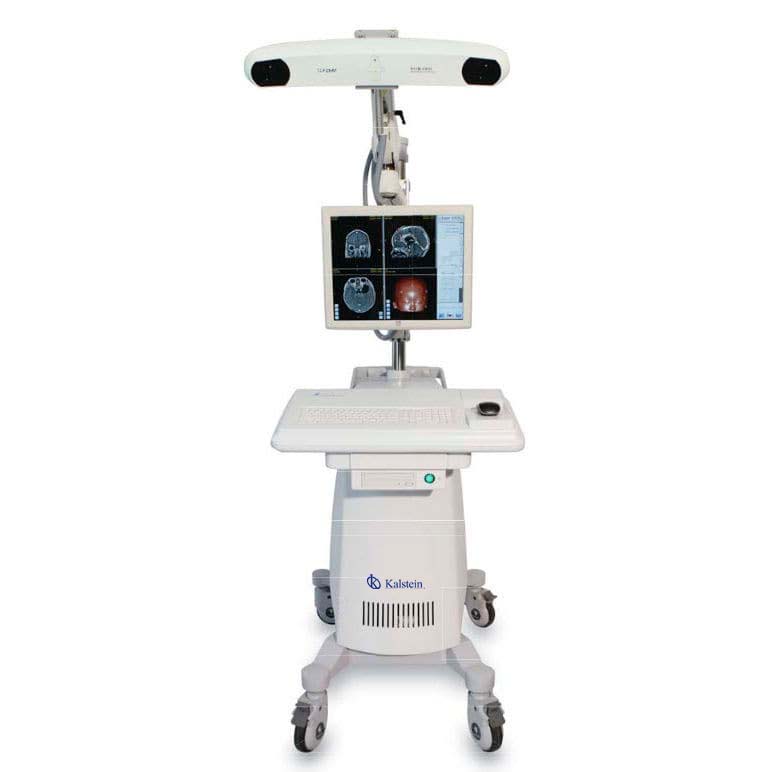
One tool in the world of modern surgery that has significantly altered the field is the optical navigator. This unique tool is becoming increasingly common in operating theaters worldwide as a way to improve the accuracy of surgical control. Optical navigation uses an image-based system to guide the surgeon during the surgical procedure and during diagnostic studies, where many complications can be detected or ruled out with great accuracy.
Validating the Effectiveness of an Optical Surgical Navigator
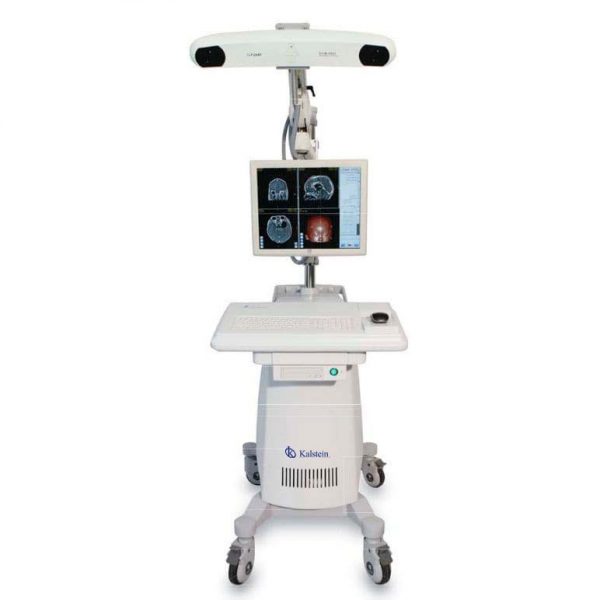
The validation of the effectiveness of an optical surgical navigator is a topic that has a vital importance for the surgical practice. Currently, optical surgical browsers are a consolidated technology and have become a crucial tool to improve accuracy and safety in a large number of surgical procedures.
Table-top freeze-dryers for the preservation of microbiological samples
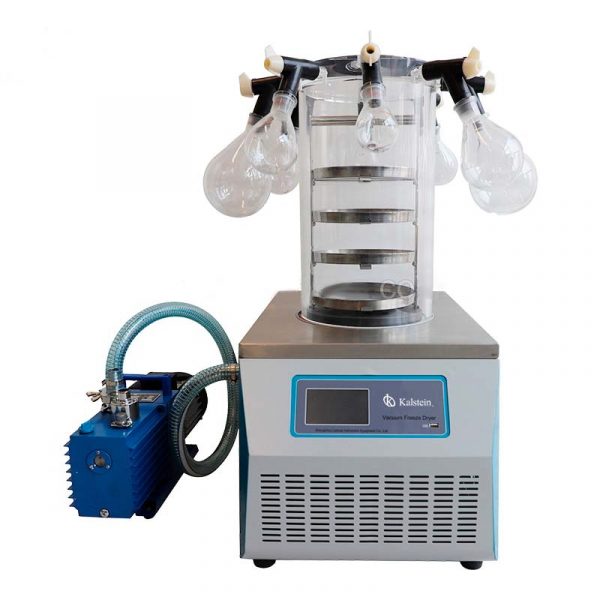
Water is a substance that supports the life cycle biochemical activities of microorganisms. The absence of water in biological samples results in a state of latency and inhibition of biochemical activity, so this factor plays an important role in the conservation and stability in the storage of various biological products.
Advantages of freeze dryers in cosmetology
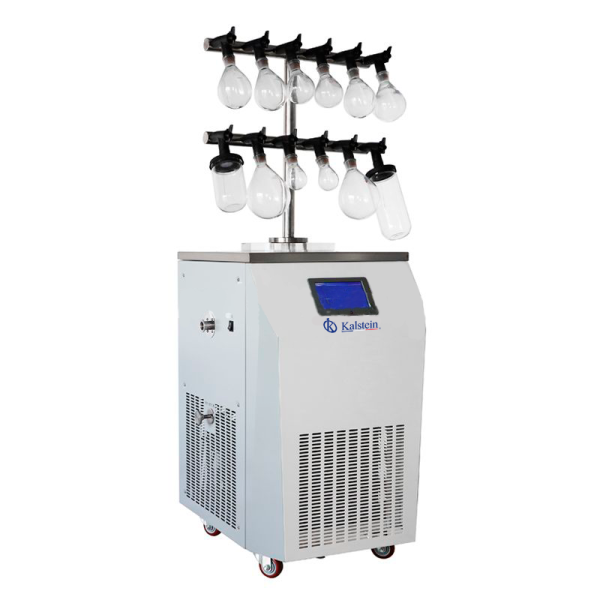
It is a method of stabilizing a product by vacuum drying and then freezing, removing the water present by sublimation and desorption, in such a way that there is no change in its basic structure or chemical composition, and the likelihood of reaction between its components and microbiological growth is minimized. This procedure is also called Freeze-drying and the finished product is characterized by being a solid, fragile network with high porosity, and soluble in water. This technology is mainly used to remove water from sensitive assets or biological products, without causing damage to their molecular structure.
Use of the Viscometer for the Production of Cosmetics
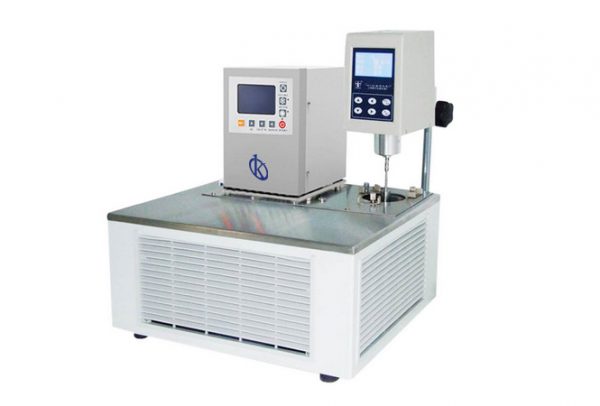
Viscosity belongs to the field of rheology, change of form and flow of substances, elasticity, viscosity and plasticity. Since viscosity is the measure of internal friction in a fluid, viscometers act as a tool within rheology. Viscometers have a place in many industries. These instruments are tested on fluids such as sauces, oils, and creams.
The Viscometer for the manufacture of Medicines
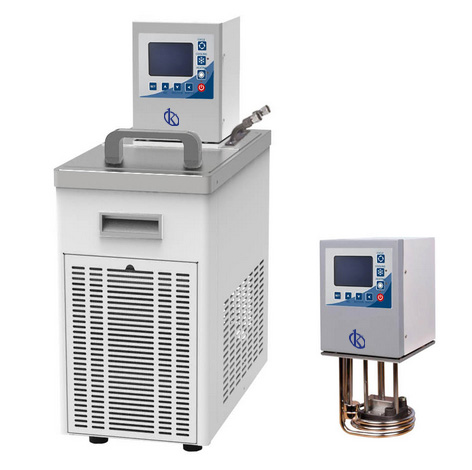
The pharmaceutical industry faces many challenges, as it must produce drugs with the highest quality standards at prices that are accessible to the population seeking to heal some ailment. In this sense, it is necessary to sustain intermediate and final quality parameters in the production process of drug manufacture, constantly making appropriate measurements.
Using Electric Wheelchair for Hemiplegic People
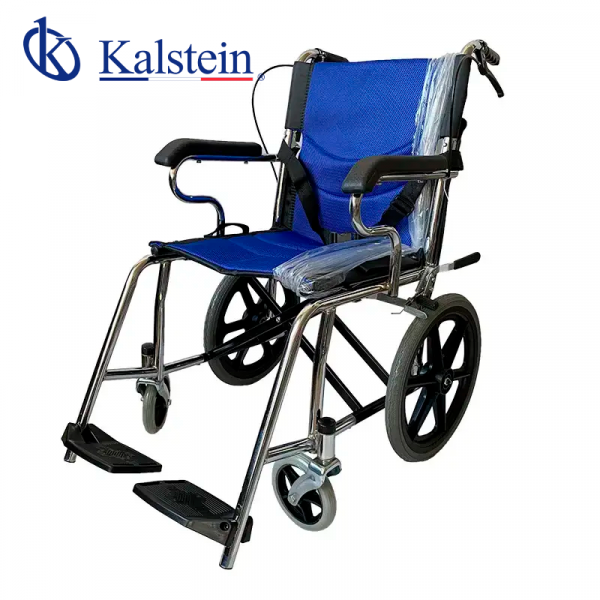
Hemiplegia is a disorder that involves complete or partial paralysis of one half of a person’s body and causes physical disability. The cause of this is usually a stroke, however, it can be caused by other reasons, such as diseases that affect the cerebral hemispheres or spine. This disorder may be present at birth or occur at some point in life.
The Viscometer in the Textile Sector
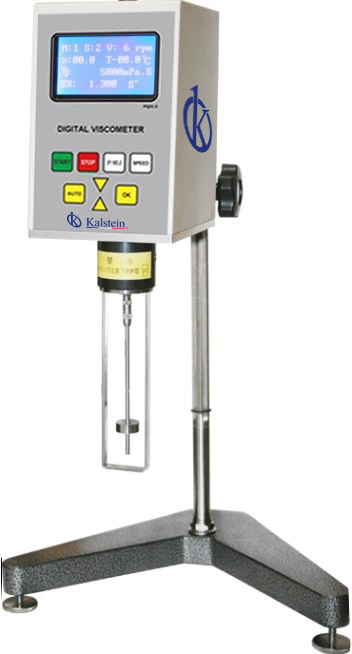
Viscosity is an important parameter in the textile industry. For example, in the production of rayon, particularly before and during the spinning phase of rayon fibers. The fibers of this material are made of pure cellulose and for its elaboration, cellulose is transformed into continuous filaments, in a process that must be controlled.
What is a Food Freezer?
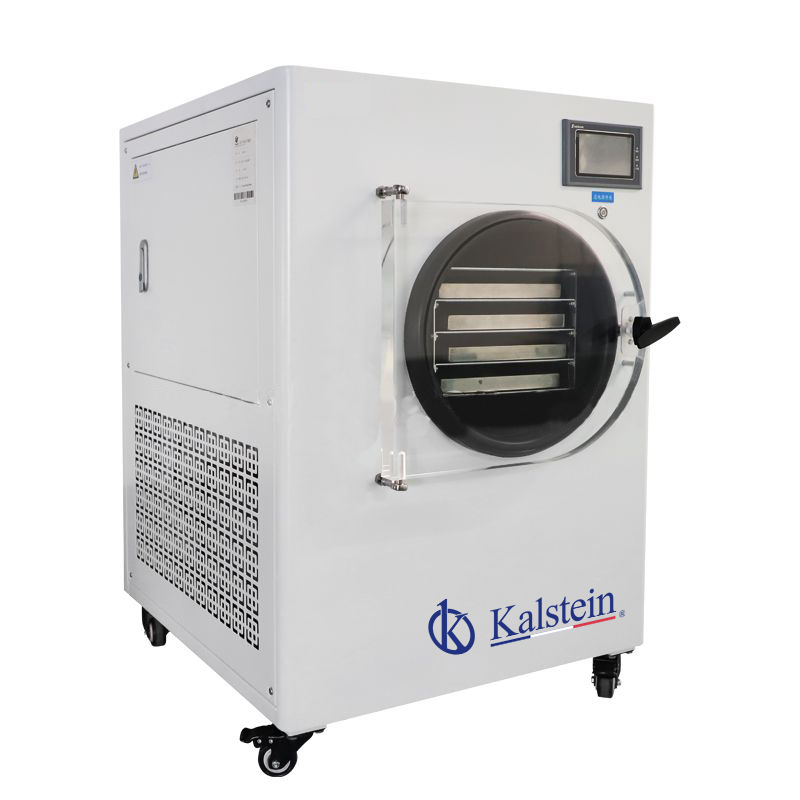
Previously, drying was a technique used by man to keep food preserved through simple processes, and for years dried meat, fish, fruits and seeds did so with the sun. These processes caused changes in taste and texture, the changes were irreversible and the humification of the dry food was not the same as the original.
How does the Freezer Dryer work?
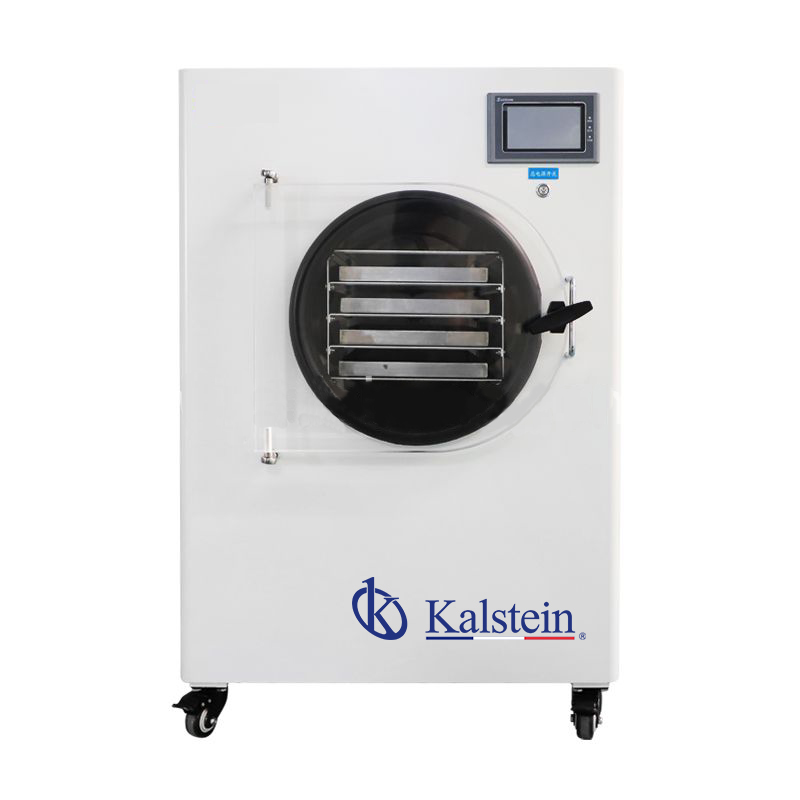
The food dryer is the type of electronic equipment that works with low temperatures, perfect to be applied in any type of food factory and other services, which require dry air without moisture. Freezing is a slow process where factories extract all aqueous solutions in various samples, placing in the spaces and trays containing these machines, where they are frozen and then extracted.