
Ice maker: capacities
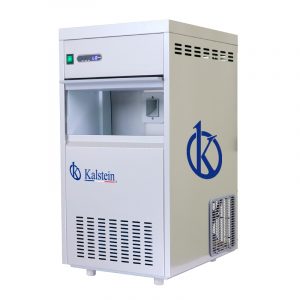
An ice maker is a device where water is poured into a tray that has a specific format to shape the ice that you want to create.
The tray freezes slowly and gradually in layers until the water freezes completely and creates the ice cubes. Once the correct temperature is reached, the tray heats up enough to allow the cubes to separate. The cubes are deposited in the storage tank.
Ice makers: How does it work?
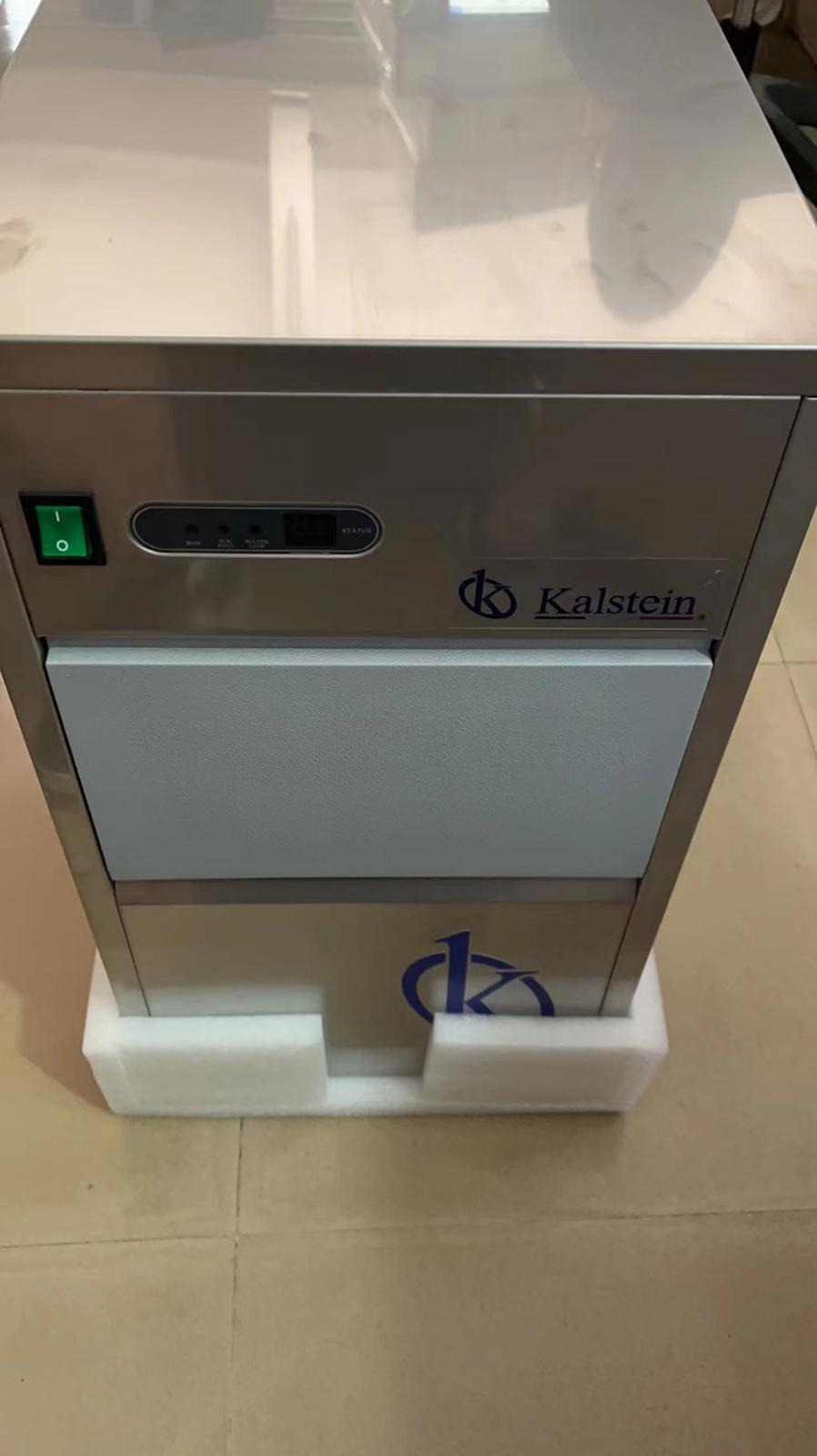
Today an ice maker is considered a key piece of equipment in the best laboratories and hospitals in the world. And the fact is that the ice they produce is a great ally for most professionals in the health sector. As a consequence, most health centers, laboratories, hospitals and research centers include an ice maker in their equipment.
How do I clean Pipettes after using them?
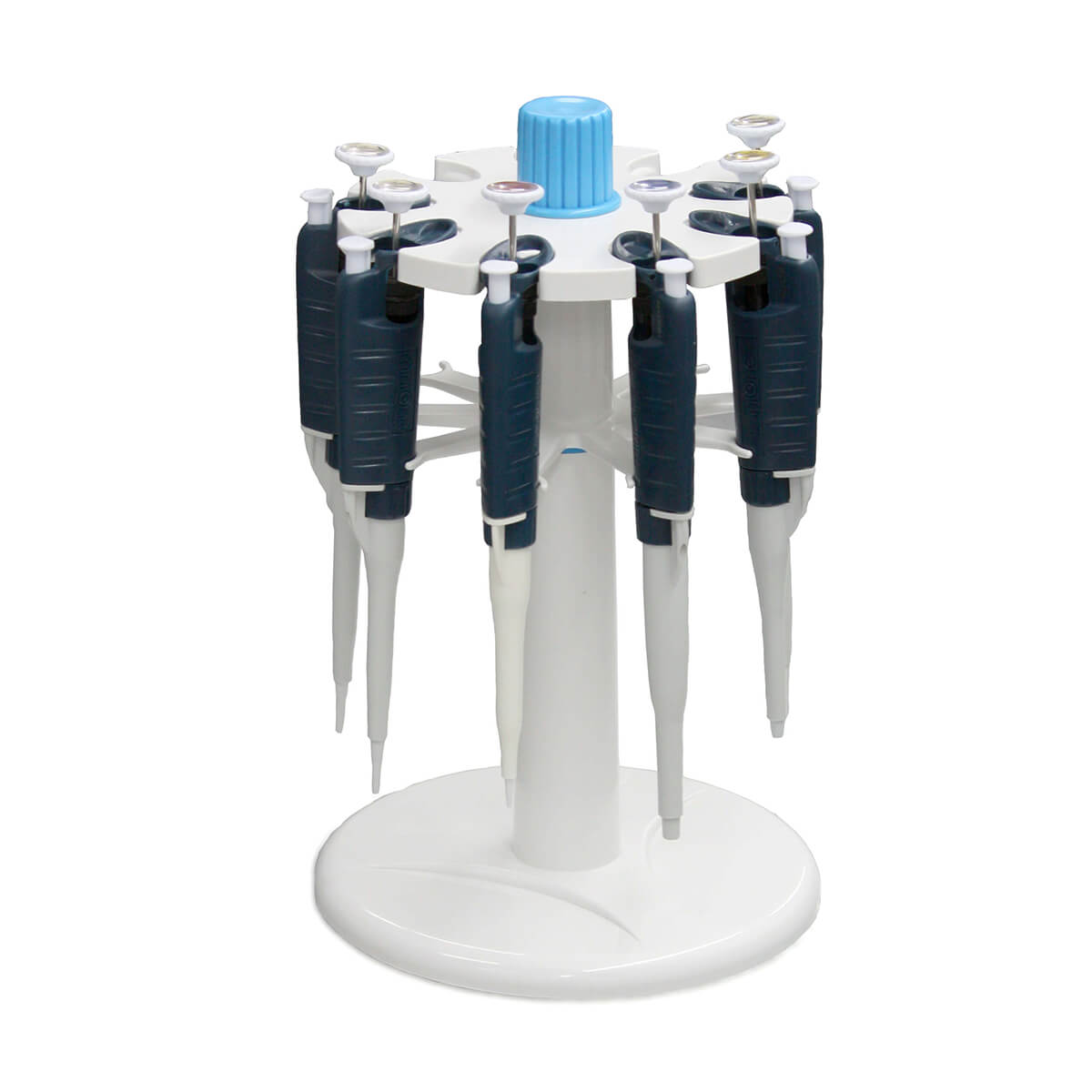
Pipettes are small, thin tubes used to transfer small amounts of liquid from one container to another. They are commonly used in laboratories to measure and dispense small volumes of fluids.
The most common pipettes used in the laboratory
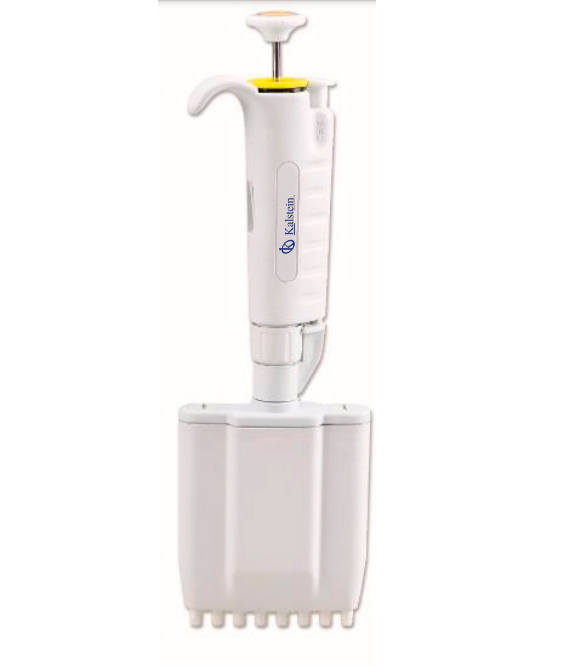
Pipettes are a very useful tool for the laboratory, but should be used carefully to ensure accurate measurement. Although there are different types and sizes of pipettes, the most common are those of 5, 10 and 25 mL. 5-mL specimens are usually used to draw small samples, whereas 10- and 25-mL specimens are used to draw larger samples. However, 25-mL capsules are more difficult to use and require more skill.
Use of Halogen Moisture Analyzers to determine the physical and chemical properties of samples

A halogen moisture analyser is a device used to measure the amount of moisture in a sample. Measurement is done by introducing a small amount of halogen into the sample, allowing moisture to evaporate and transfer to the analyser. The analyser then measures the amount of halogen transferred and calculates the amount of moisture present in the sample.
Importance of Moisture Analyzers in the Tobacco Industry
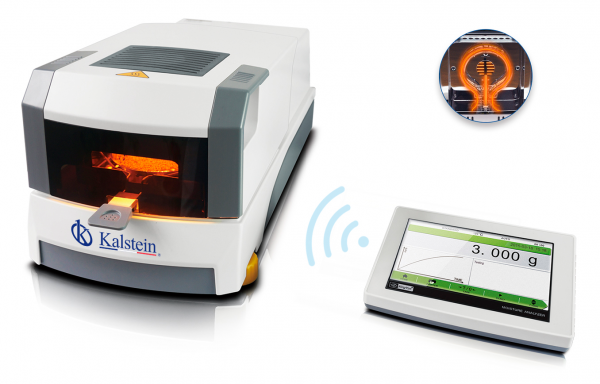
A moisture analyser is a measuring instrument used to measure the moisture in a sample of material. The device is based on the emission of infrared waves by the material being measured. The infrared waves are absorbed by the water present in the material, and the device measures the amount of waves that are absorbed. From this measurement, the percentage of moisture in the sample can be calculated.
Using Ultra Freezers to Preserve Cancerous Tissues
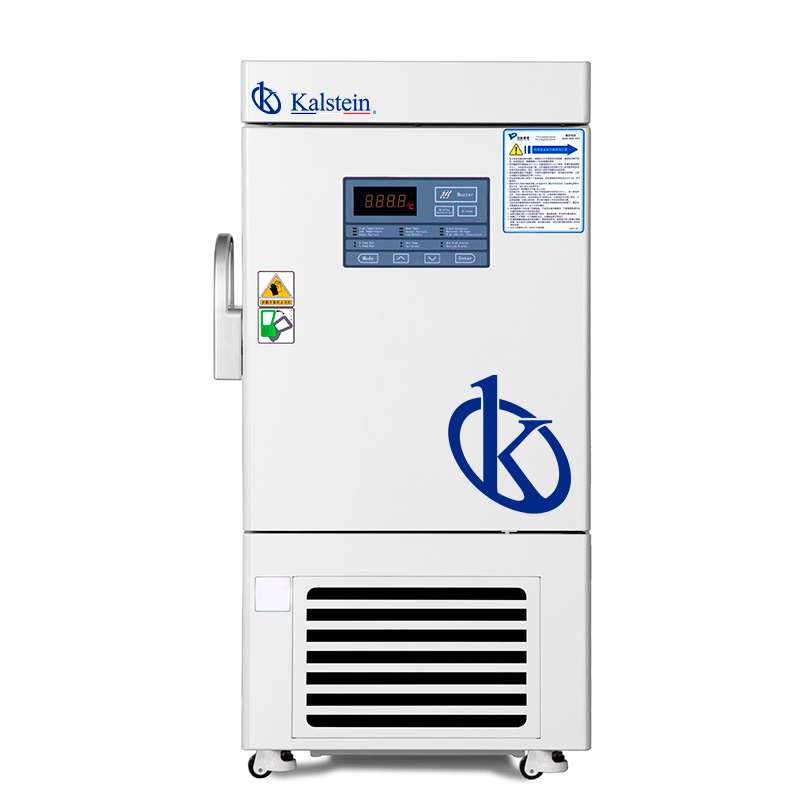
Ultra-freezers are large, expensive and extremely powerful cryogenic devices. They are used to store tissue samples at extremely low temperatures, typically -196°C. This allows the tissue to be preserved for long periods of time without damaging it.
Importance of Ultra Freezers for Human Organs
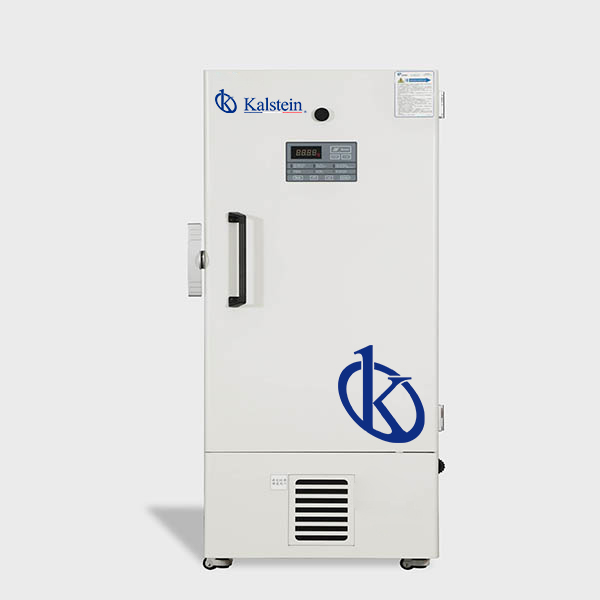
For a few years, deep-freezers have become an essential element in the field of medicine, especially in the field of transplantology. It is a technology that allows the preservation of organs and tissues for long periods of time, which greatly facilitates processes.
Advantages in the use of Bacticinerator for Infectology Units
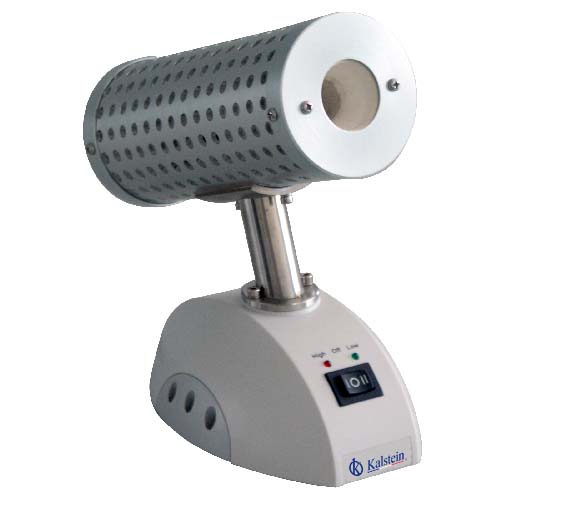
The Bacticinerador, is a equipment that sterilizes the handles used in laboratories, in charge of eliminating bacteria by infrared heat originated by a central ceramic mechanism. This equipment contains no fuel and certifies maximum sterility without splashing on the work surface. Heat is respected as the means of sterilization par excellence, as long as the material withstands high temperatures without suffering any damage.
What are the differences between Bacticinerador and the Lighter?
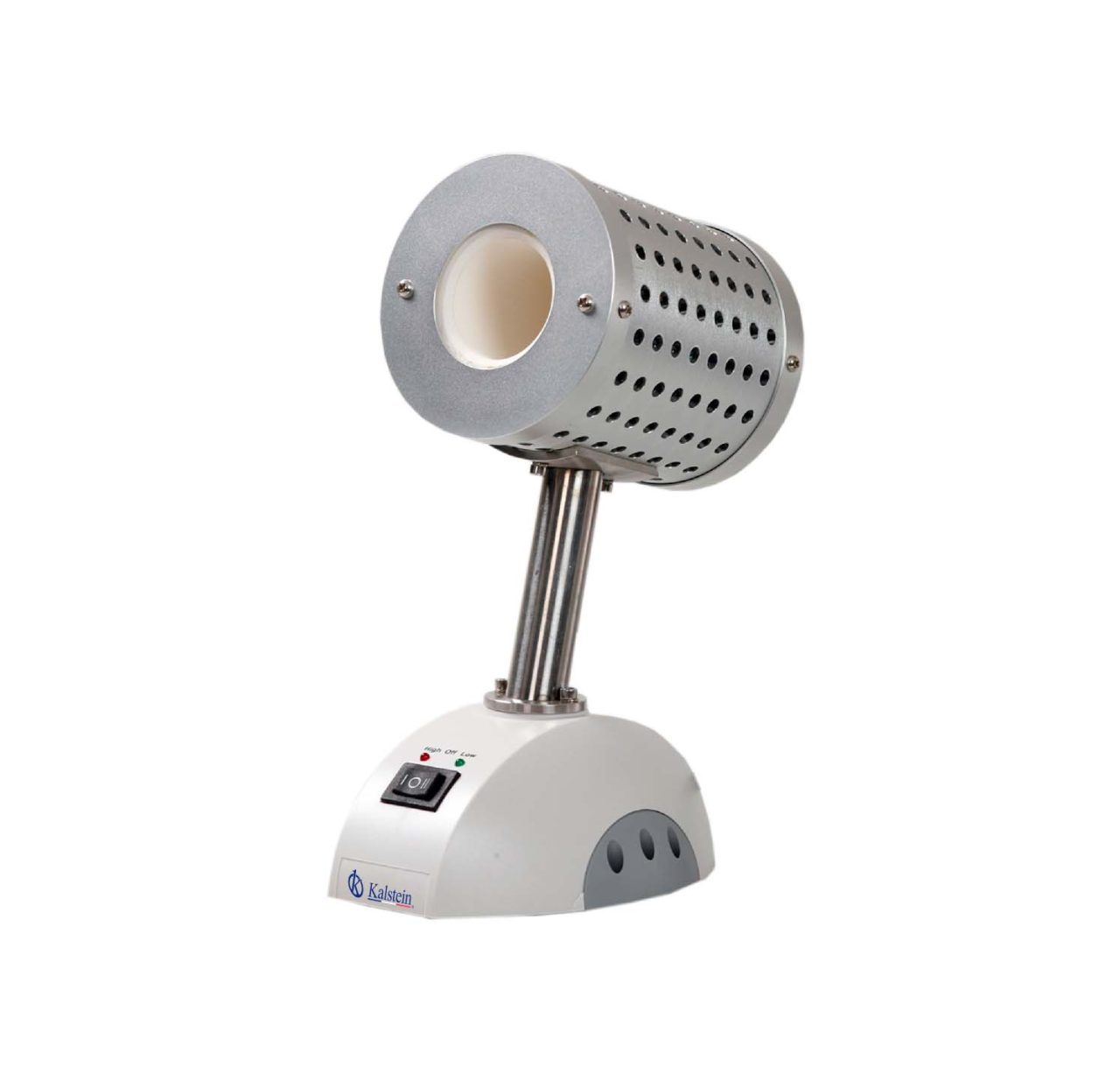
Currently, lighters are applied in laboratories around the world, for the sterilization of flasks. However, through the integration of sterilizers such as the Bacticinerador, their functions are different and they are in charge of disinfecting the handles for microbiological tests, besides being modern and has been relegating the Burner Bunsen to the role of an auxiliary medium, although still with great presence in the laboratory practices of many academic disciplines.