
Documentation of electrophoresis gels: How do they work?
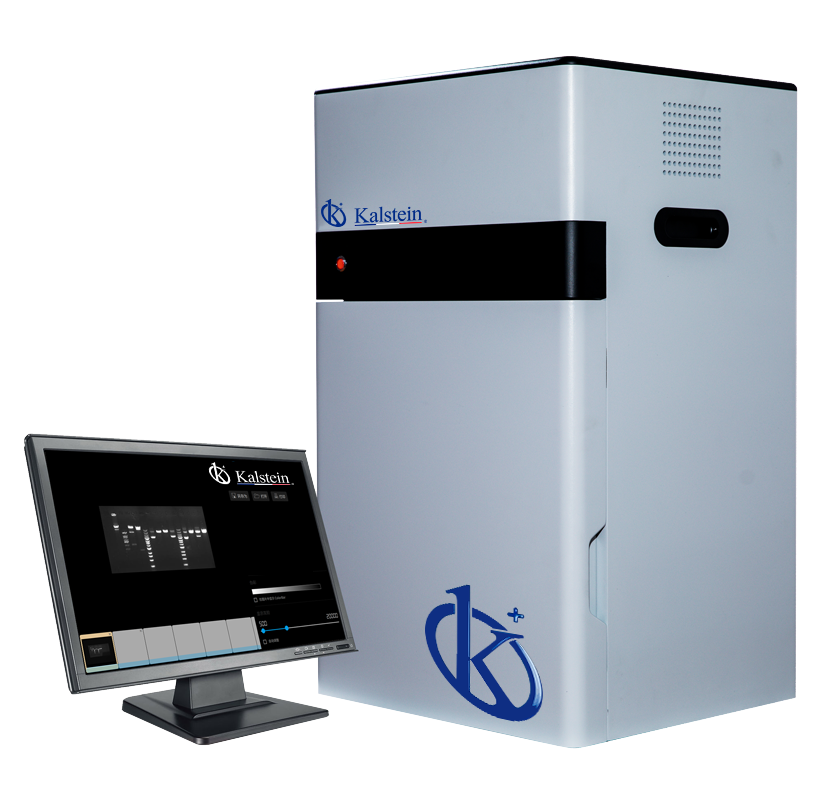
A documentation system of electrophoresis gels consists of a composite equipment that is used to observe, take photos and analyze the bands of the gels that are generated from electrophoretic runs. Innovative equipment with state-of-the-art technology is designed to produce sharp, high quality images, which in turn provides better analysis and provides the user with a results backup system. Using a gel documentation system saves reagents and time.
Why is a gel documentation system important?
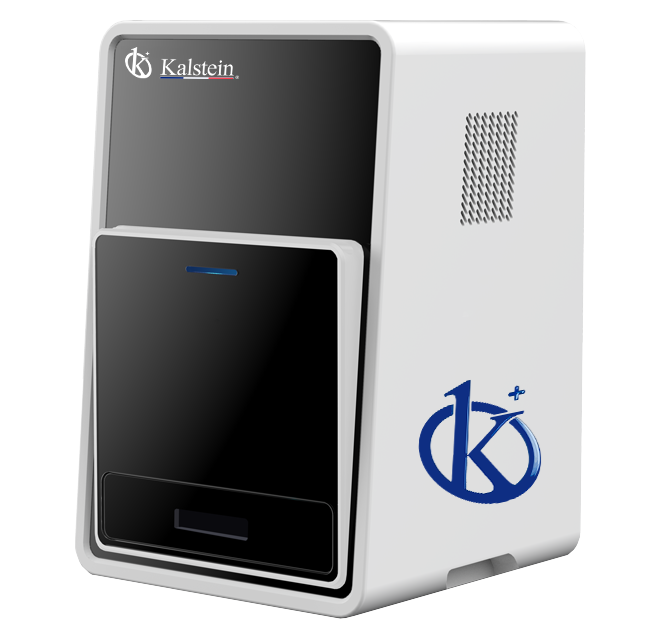
This equipment offers a number of benefits to laboratories so its use is indispensable, first of all it is designed for the detection and documentation of nucleic acids and proteins, thanks to its scientific camera of high resolution and high sensitivity allows to capture absolutely weak signals in very low light conditions, for example our […]
Documentation of gels and protein purification
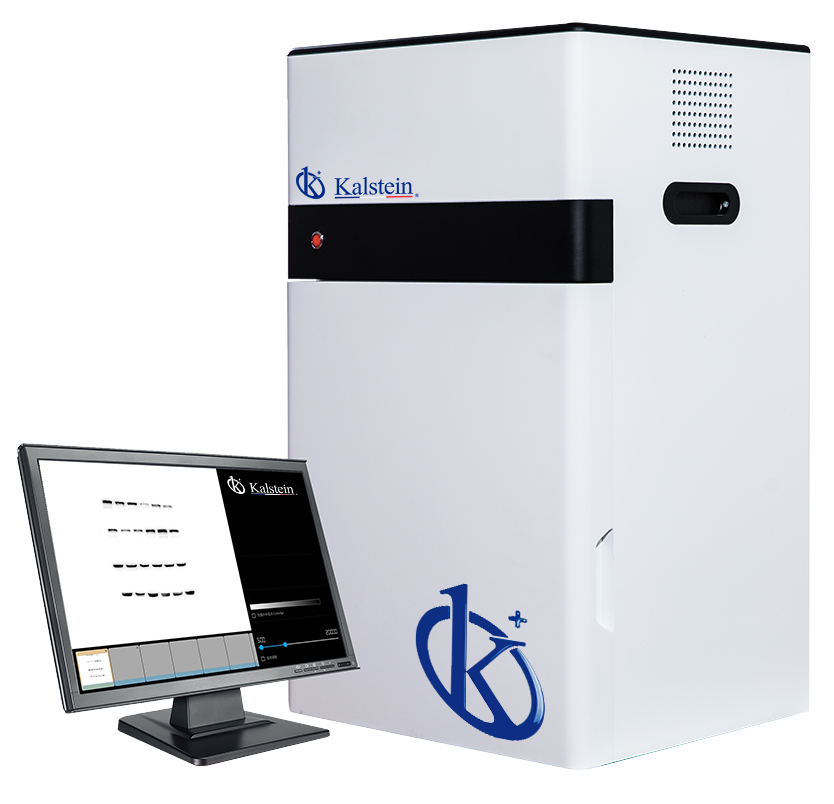
Gel documentation is a process that is carried out in a piece of equipment that allows you to observe, take photos and analyze bands on gels after protein electrophoresis. This equipment allows visualizing the bands in the gels that are not visible to the naked eye, since these devices have a high resolution and focus lenses that improve the obtaining of results.
Is a Gel Documentation System important?
At present, technological development allows to have documentation systems in gel, to apply to the needs of the laboratories, providing innovative solutions, both for the capture and for the study of the images, and are formed on the basis of the methodologies used by each researcher.
Gel documentation: types and uses
The documentation of gels is a process that is carried out in a photodocumentation of gels, this equipment is part of the special equipment of molecular biology laboratories. Among its functions are allowing to observe, take photos and analyze bands of the gels after electrophoresis. In other words, it allows visualizing the bands in the gels that are not visible to the naked eye because these devices have a high resolution and focus lenses that substantially improve the obtaining of results.
What is a gel documentation system?
A gel documentation system is a device for viewing, photographing, and analyzing post-electrophoresis gel bands. This equipment reduces operating times and the results are of high quality. Bands in gels that are not visible to the naked eye can be seen through the high resolution charge-coupled device and with focusing lenses.
Development of antibiotics with the Analytical Balance for Lyme disease
Lyme disease is a Borrelia burgdorferi infection with possible manifestations in the skin, nervous system, heart, musculoskeletal system, and other organs. The various symptoms of the disease are well characterized and can be divided into early and late manifestations. Antibiotics are used for Lyme disease therapy, and the sooner treatment is started, the sooner the symptoms of Lyme disease disappear.
Development of hydrogel for the conservation of vaccines with the use of the Analytical Balance

The concept has the potential to stem losses and supply problems, especially in the vaccine sector, developers say. For its use, it is sufficient to release them with a harmless solvent, and in the appropriate proportion, so the analytical balance allows the measurement of the exact mass of the substances used to obtain the hydrogel and then to convert it into a viable solution to be administered.
Why are the samples homogenized?
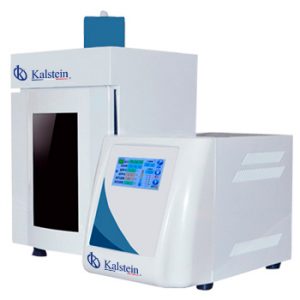
The word homogenize refers to the ability to make a mixture homogeneous, the latter referring to uniformity. This is usually related to the use of chemicals, which are mixed through physical means, until it results in a uniform solution. Homogenization is a technique that is used in many fields, from biology, agriculture and chemistry, to gastronomy, to name a few disciplines, however, are many more.
What are the techniques of homogenization?
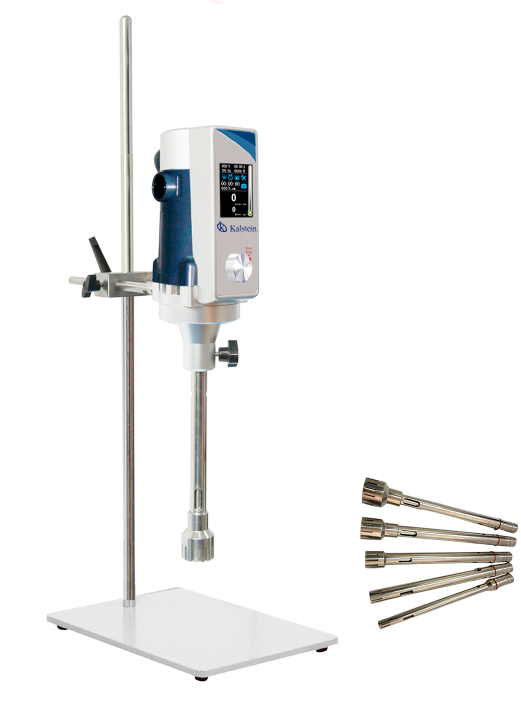
Homogenization is a chemical technique through which components are constantly mixed that are not miscible among themselves, that is, that conventionally do not mix, in order to obtain homogeneous solutions or soluble suspensions. The final result will depend on the solutes that are mixed together as well as the type of equipment used for this technique. At present, the most commonly used instrument is the homogenizer.