
Hot plate stirrer: Why is it essential in a biology lab?
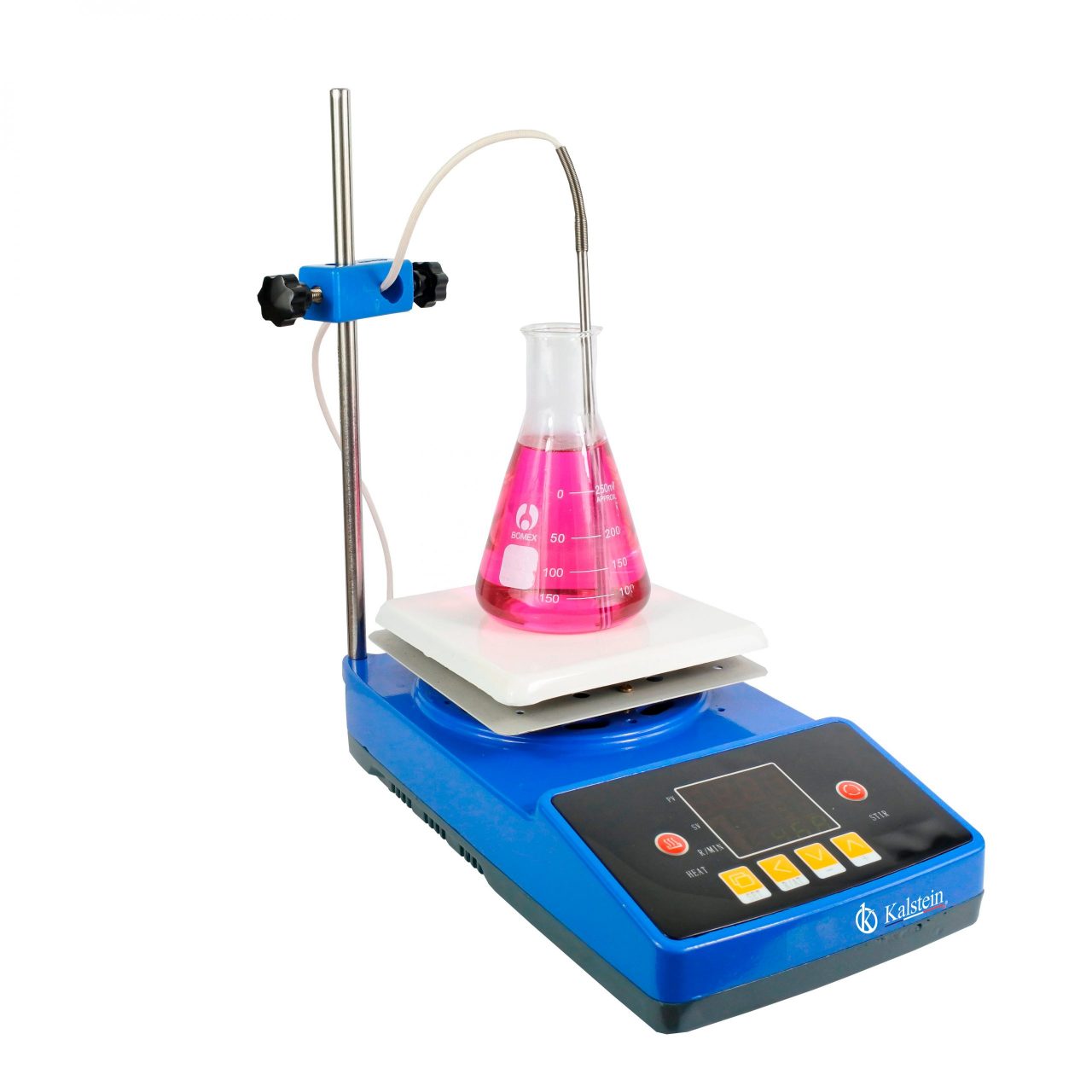
Hotplate stirrers are benchtop electronic equipment that adapt to multiple processes that require temperature and stirring. That is, they are instruments that provide simultaneous heating and stirring options. This equipment is frequently used in biology laboratories, since it is used to mix liquids with each other or with powders, to produce solutions and different suspensions, due to its versatile design that allows stirring and heating at the same time. Reducing the time of use and reducing risks of contamination.
What are multi-station heating plates?

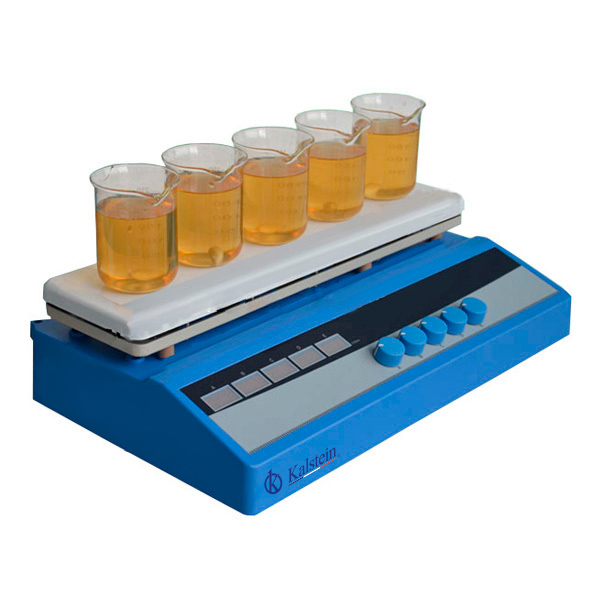
The multi-station heating plate is a benchtop and portable laboratory instrument that adapts to multiple processes that require temperature and shaking frequently used in the laboratory, it can be available in 2, 4 and 6-station multi-station models
What is a hot plate?
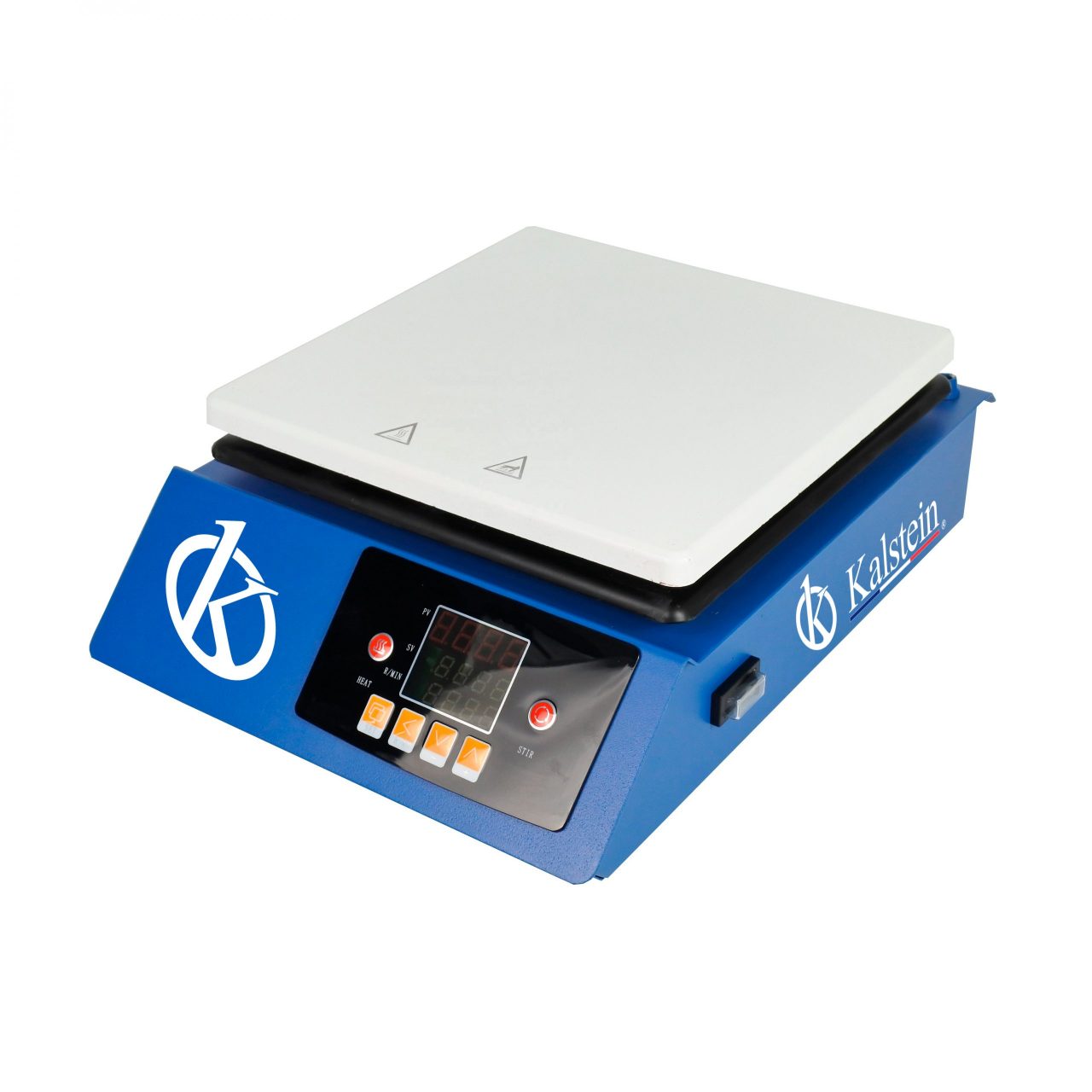
The heating plate is a laboratory instrument desktop and portable comprised electric heating elements and corrosion resistant to chemical and mechanical attacks. It is a device useful for heating fluid containers, glass materials, or contained within them, in a uniform and controlled.
Why is a hot plate important in a laboratory?
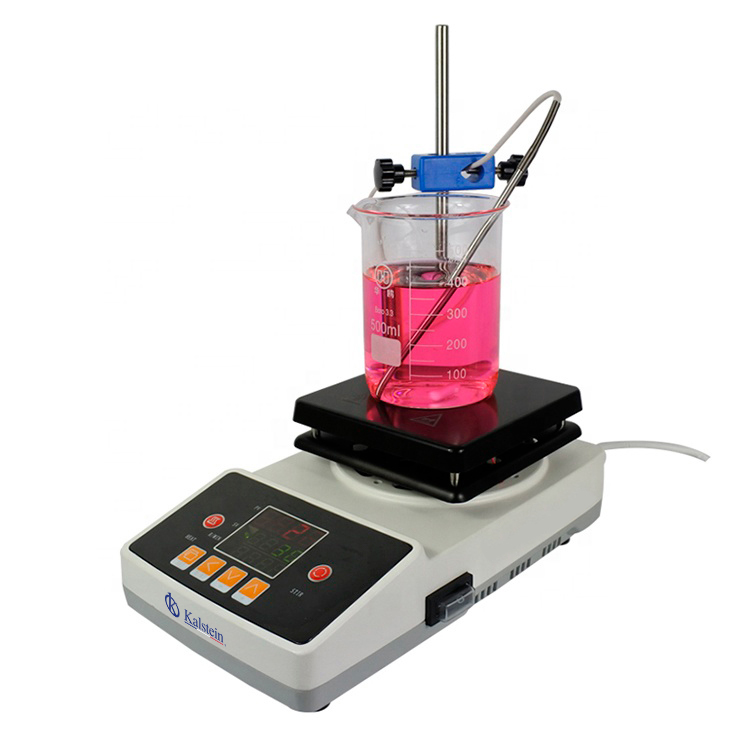
A hot plate is crucial laboratory equipment for carrying out many of the processes carried out in laboratories, such as distillation, boiling, extraction, and preparation of chemicals and solutions at specific temperatures.
What are the different types of heating plates that exist?
These are laboratory instruments are small appliances that have one or more elements of electric heating, in addition they have a structure resistant to chemical spills, as well as corrosion; its main purpose is to heat containers of different materials with liquid content, always uniformly and controlled; we can find on the market different models with specific features that will depend on your applications.
What is a Heating and Stirring Iron?
The heating and stirring plate is the ideal equipment for laboratory practices, able to offer precise temperature control, exceptional safety for homogenization, with the option of heating liquid samples of low viscosity, and for assistance during titrations, which provides uniformity, adapted to multiple processes, requiring temperature and stirring frequently used in the laboratory.
What is a recirculation chiller used for?
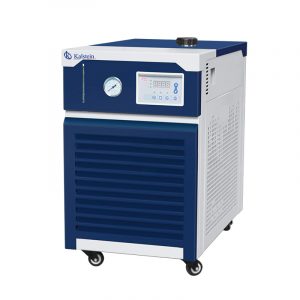
A recirculation chiller is laboratory equipment that is a high-efficiency closed cooling system used in various external cooling applications. These devices are especially ideal for laboratory applications that require continuous use.
Use of Recirculation Coolers for Hospital Machines
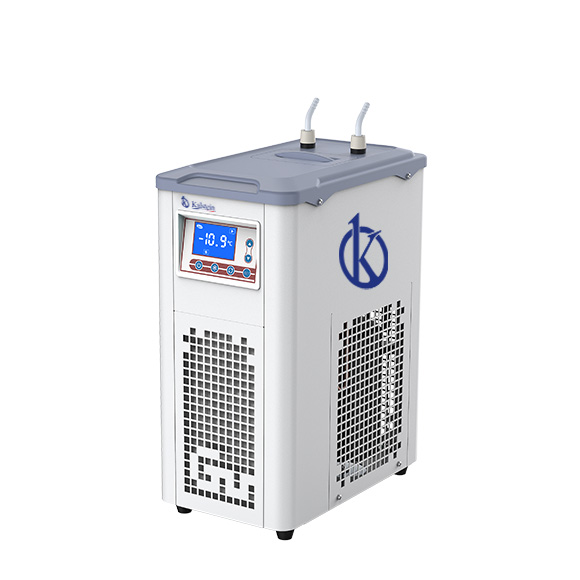
Recirculation coolers are units composed of closed circuits responsible for controlling the temperature to provide comfort to the space you want, are airtight equipment and protect the circulation of air away from pollutants present in the environment. Basically, they work with water that passes inside the machine to the recirculation cooler.
Recirculation Chillers for the Plastic Industry
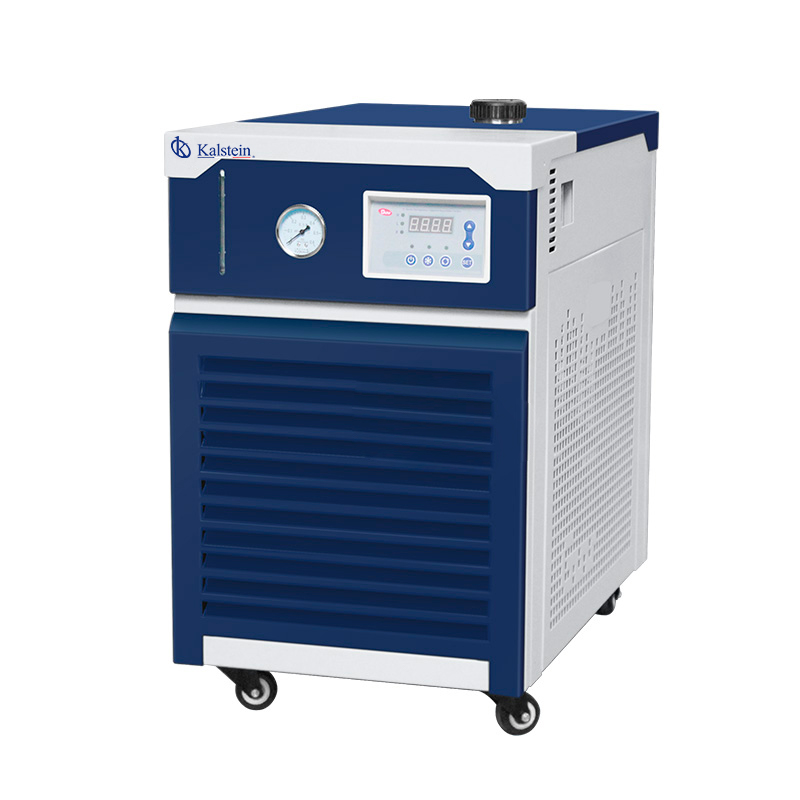
Initially, the use of recirculation chillers improve manufacturing and manufacturing processes, perfecting process times, designed to work with water pressures for the control of machinery temperature. Therefore, in many industries require cooling their production units and chillers provide these functions, becoming a chilling tool applied in a wide range of operations.
Use of Recirculation chillers to conserve chemicals
Recirculation chillers are equipment responsible for air-conditioning spaces by liquid or water-glycol mixing to create comfort processes and cool a product or equipment. Transforms water into hot or cold air as appropriate. It’s a two-in-one computer that worked under a vapor compression system, using refrigerants as part of the work. There are many types of refrigerants and they are used for each application and according to the temperature needed.