Stoves
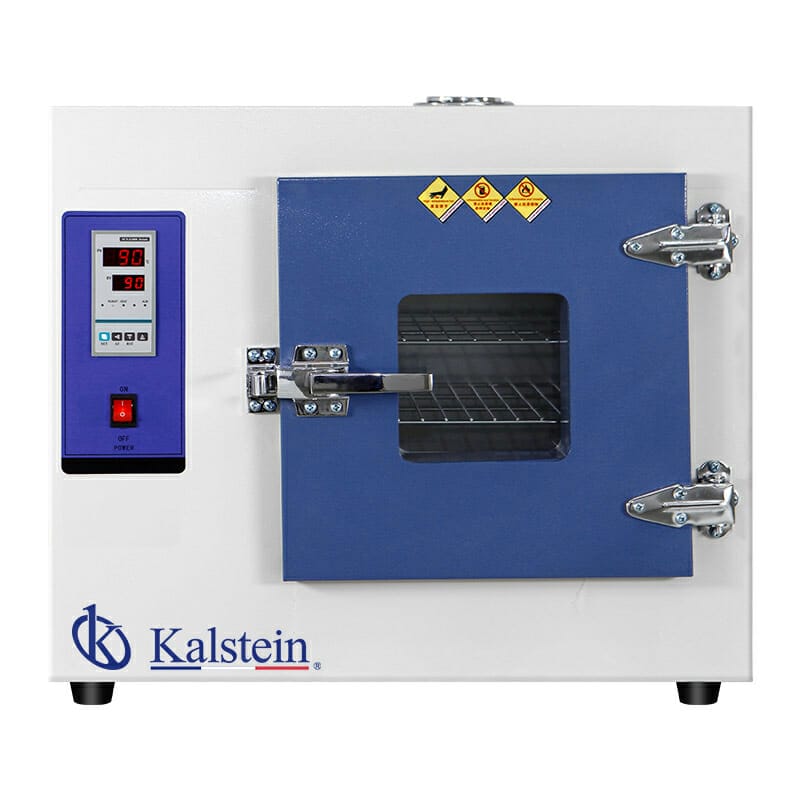
Stoves are essential in laboratory settings, providing controlled environments for various processes such as drying, sterilization, and thermal treatment. Choosing the right stove can significantly enhance the efficiency of laboratory operations and ensure the accuracy of results.
In this section, we will explore different types of stoves tailored for laboratory use, along with crucial factors to consider when making an investment. Understanding these aspects will help you select the best equipment for your specific needs.
Types of stoves your laboratory may need
Drying Ovens
Drying ovens are designed to remove moisture from materials through controlled heating. They are widely used in laboratories for drying samples, glassware, and other materials. The precise temperature control ensures consistency and reliability in drying processes.
These ovens can accommodate various types of samples and are essential for applications in research and industry. Their versatility makes them a staple in any laboratory setting.
Industrial oven
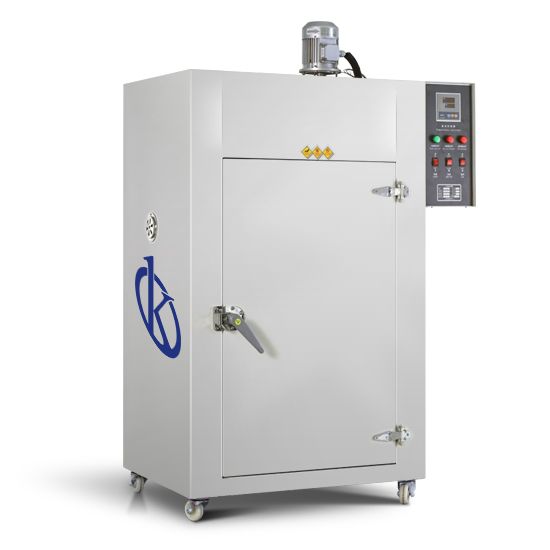
Industrial ovens are built for high-capacity operations and are suitable for manufacturing environments. They offer robust construction and advanced features for high-volume heating applications. These ovens can handle larger loads and provide uniform temperature distribution.
With options for customization, they cater to various industrial heating needs, ensuring efficient and effective processes across different sectors.
Vacuum ovens
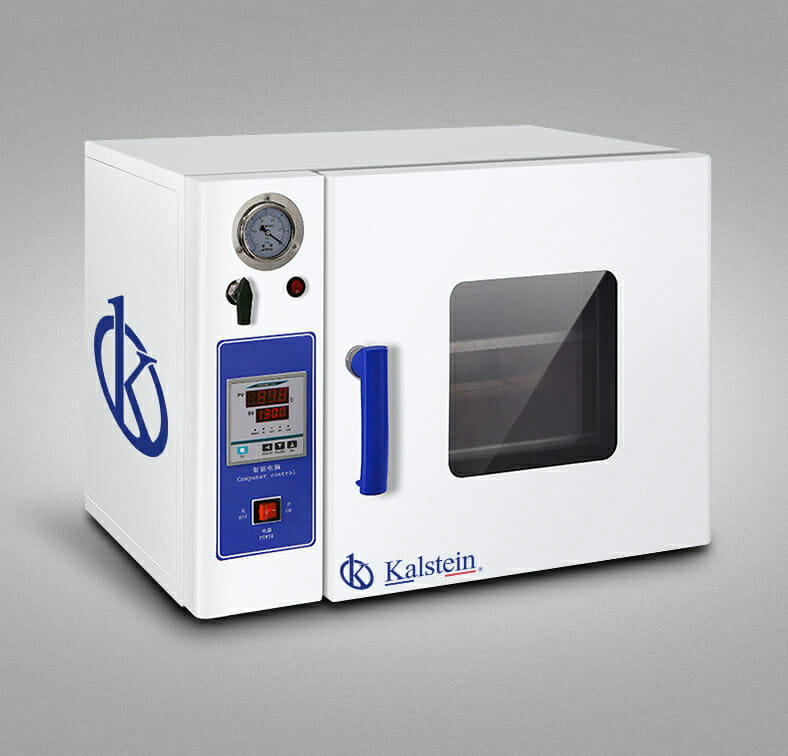
Vacuum ovens are specialized equipment designed to provide a low-pressure environment for drying and curing materials. This technology is crucial for sensitive applications where heat and moisture can adversely affect the samples.
They are commonly used in pharmaceutical and electronics industries for drying delicate components without causing thermal degradation, ensuring the integrity of the materials processed.
What you should know before selecting a stoves and making an investment
Key factors to consider
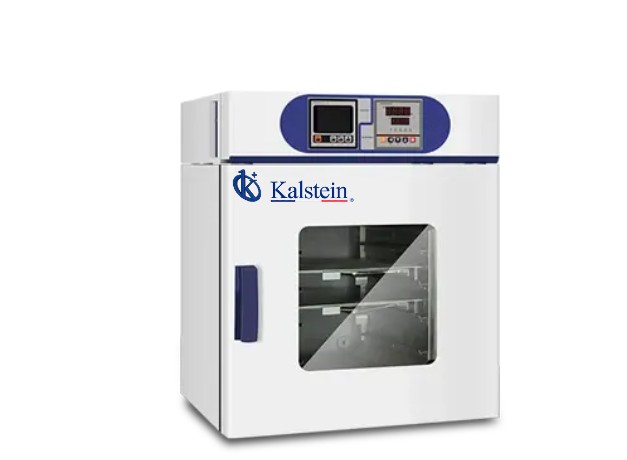
When choosing a stove for your laboratory, consider the specific heating requirements and the types of materials you will work with. It's essential to evaluate the temperature range, capacity, and safety features. Understanding your laboratory's workflow will help you select the most suitable equipment.
Additionally, ensure that the stove meets industry standards and regulations for safety and performance, which can significantly impact your laboratory's operations.
Market price range
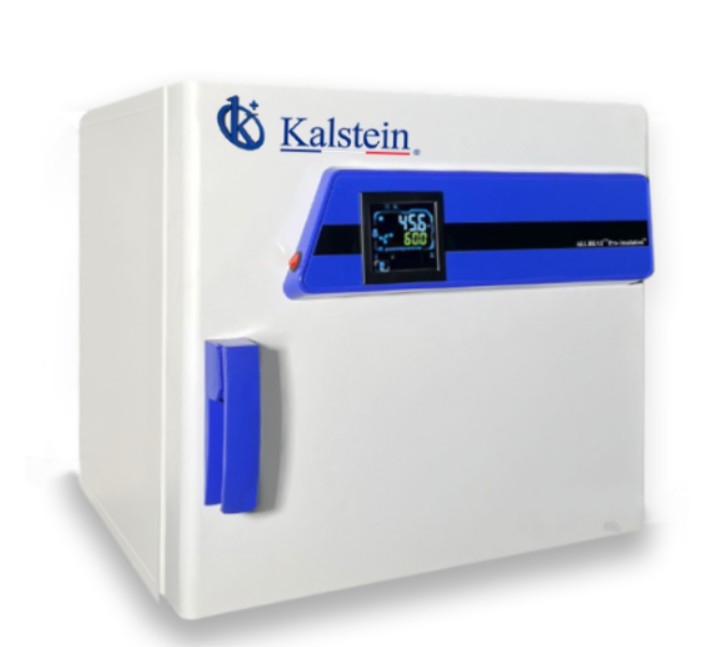
The price of laboratory stoves can vary widely based on features, capacity, and brand. It is crucial to establish a budget that aligns with your laboratory's needs while ensuring you choose quality equipment that offers reliability and efficiency.
Researching different models and comparing prices will help you make an informed decision, enabling you to find a stove that fits your financial constraints without compromising on essential features.
Value for money
Investing in laboratory stoves should not only be about the initial purchase cost but also about the long-term value they provide. Evaluate the efficiency, durability, and warranty offered by manufacturers to ensure you receive a good return on your investment.
Stoves that are energy-efficient and come with comprehensive support and service options can save you money in the long run while enhancing productivity in your laboratory.
Expected lifespan based on use and maintenance
The lifespan of laboratory stoves is influenced by factors such as usage frequency and maintenance practices. Regular maintenance, including cleaning and calibration, is essential to prolong the life of your equipment.
Understanding the expected lifespan from the manufacturer can help you plan for future investments and ensure that your laboratory remains equipped with reliable technology.
STOVES KALSTEIN
Discover stoves for your laboratory
Explore our range of high-quality stoves designed to meet the demands of modern laboratories. From drying ovens to vacuum ovens, we offer equipment tailored for efficiency and precision. Our products are engineered to provide reliable performance, ensuring optimal results in your laboratory processes.
YR06931 // YR06940 Forced Air Electric Drying Oven
The YR06931/YR06940 Forced Air Electric Drying Oven is the ideal solution for drying processes in various industrial, scientific, and laboratory appli
View productVacuum Drying Oven YR06623 // YR06626
The Vacuum Drying Oven YR06623 // YR06626 is a laboratory instrument designed for drying, degassing, curing, and thermal treatment processes of materi
View productProgrammable Thermostatic Drying Oven YR06444 -YR06445
Programmable Thermostatic Drying Oven YR06444 -YR06445 is designed for drying, sterilization, thermal treatment, and storage in research laboratories,
View productOur best-selling stoves
YR06931 // YR06940 Forced Air Electric Drying Oven
Design and Technology (Functionality)
This electric oven stands out for its advanced PID microcomputer technology, which not only precisely regulates the temperature but also includes a timer and overheat alarm to ensure safety during the drying process. Its cold-rolled steel casing with an environmentally friendly electrostatic powder coating provides durability and resistance, while the large viewing window allows the user to easily monitor the process. Furthermore, the internal chamber is made of high-quality materials such as stainless steel and galvanized steel, facilitating cleaning and enhancing the equipment's longevity. Adjustable shelves offer greater versatility to accommodate different sizes of materials being dried, optimizing the use of space inside the oven.
Frequently Asked Questions:
- What is the drying capacity of these ovens?The models range in capacity from 8 liters to 85 liters, allowing them to adapt to diverse needs, from small applications to larger-scale industrial processes.
- Are these ovens suitable for drying food products?Yes, these ovens are designed to work with food, medicines, and other materials that require precise temperature control and uniform drying.
- How do you maintain an electric oven?Maintenance is simple thanks to its corrosion-resistant materials and the rounded corners of the inner chamber, which facilitate cleaning. Periodic cleaning and checking the air circulation system are recommended.
Advantages and Disadvantages:
Advantages:
- Temperature precision : Thanks to its PID microcomputer, the ovens maintain an accuracy of ±1°C, guaranteeing uniform and reliable drying.
- Compact and efficient design : Its compact design and low-noise air circulation system allow for efficient use of space without compromising performance.
- Durable materials : The stainless steel casing and heat-resistant materials ensure a long service life for the equipment.
Disadvantages:
- Monitoring required : Although the oven has a control screen and alarm, regular monitoring is recommended to ensure that the drying process is working correctly.
- Limited capacity in some models : Smaller models, such as the YR06931, have a drying capacity of only 8 liters, which may not be sufficient for some larger industrial applications.
Product Use in the Field:
The YR06931 // YR06940 Forced Air Electric Drying Oven is an essential tool in various industries. In the pharmaceutical sector, it is used for drying products such as tablets and capsules, ensuring that the materials do not overheat and maintain their properties. In the food industry, these ovens are perfect for drying herbs, fruits, and other foods, ensuring optimal preservation without compromising quality. In laboratories, their ability to maintain a constant temperature is ideal for tests and experiments that require a controlled environment.
Recommendations:
- Temperature monitoring : Make sure to adjust the temperature range correctly according to the needs of the material you are drying. Use the timer function to optimize the process and prevent overheating.
- Regular maintenance : Perform regular cleaning of the oven, especially after each use, to maintain performance and extend its lifespan.
- Selecting the right model : If you work with large volumes of material, we recommend opting for higher capacity models such as the YR06940 to ensure greater drying efficiency.
Technical Specifications
| Model | YR06931 | YR06932 | YR06933 | YR06934 | YR06935 |
| Voltage (V) | 220 | 220 | 220 | 220 | 220 |
| Temperature Range (℃) | RT+5 ~250 | RT+5 ~250 | RT+5 ~250 | RT+5 ~250 | RT+5 ~250 |
| Time Range | 0~999mins | 0~999mins | 0~999mins | 0~999mins | 0~999mins |
| Accuracy (℃) | ±1 | ±1 | ±1 | ±1 | ±1 |
| Fluctuation (%) | ±1 | ±1 | ±1 | ±1 | ±1 |
| Power (KW) | 0.5 | 0.5 | 1.2 | 1.4 | 2 |
| Interior Size (mm) (HWD) | 250×250×265 | 300×250×200 | 350×350×350 | 450×450×350 | 550×550×450 |
| Overall Dimensions (mm) (HWD) | 475×540×450 | 475×540×450 | 530×640×550 | 630×740×550 | 750×890×630 |
| Net Weight (KG) | 35 | 44.5 | 59.5 | ||
| Shipping Weight (KG) | 26.5 | 26.5 | 38 | 47.5 | 63.5 |
| Model | YR06936 | YR06937 | YR06938 | YR06939 | YR06940 |
| Voltage (V) | 220 | 220 | 220 | 220 | 220 |
| Temperature Range (℃) | RT+5 ~250 | RT+5 ~250 | RT+5 ~250 | RT+5 ~250 | RT+5 ~250 |
| Time Range | 0~999mins | 0~999mins | 0~999mins | 0~999mins | 0~999mins |
| Accuracy (℃) | ±1 | ±1 | ±1 | ±1 | ±1 |
| Fluctuation (%) | ±1 | ±1 | ±1 | ±1 | ±1 |
| Power (KW) | 3 | 1.2 | 1.4 | 2 | 3 |
| Interior Size (mm) (HWD) | 750×600×500 | 350×350×350 | 450×450×350 | 550×550×450 | 750×600×500 |
| Overall Dimensions (mm) (HWD) | 980×965×770 | 530×640×550 | 630×740×550 | 750×890×630 | 980×965×770 |
| Net Weight (KG) | 93 | 35.5 | 45 | 60 | 94 |
| Shipping Weight (KG) | 102 | 38.5 | 48 | 64 | 103 |
Detailed analysis of stoves for an effective and safe choice
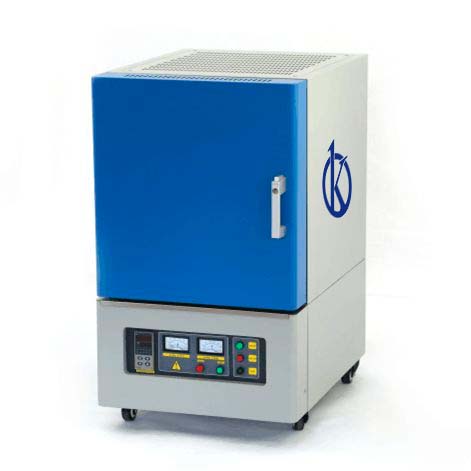
Laboratory ovens and muffles: What are the differences and applications?
It is an essential equipment in laboratories and is also known as drying oven; is used for drying and sterilizing glass and metal containers; now, the muffle is also an oven, but usually intended for cooking ceramic materials and for smelting metals through thermal energy., in KASLTEIN we have the different models of ovens and muffles to avoid confusion, you should follow the link HERE
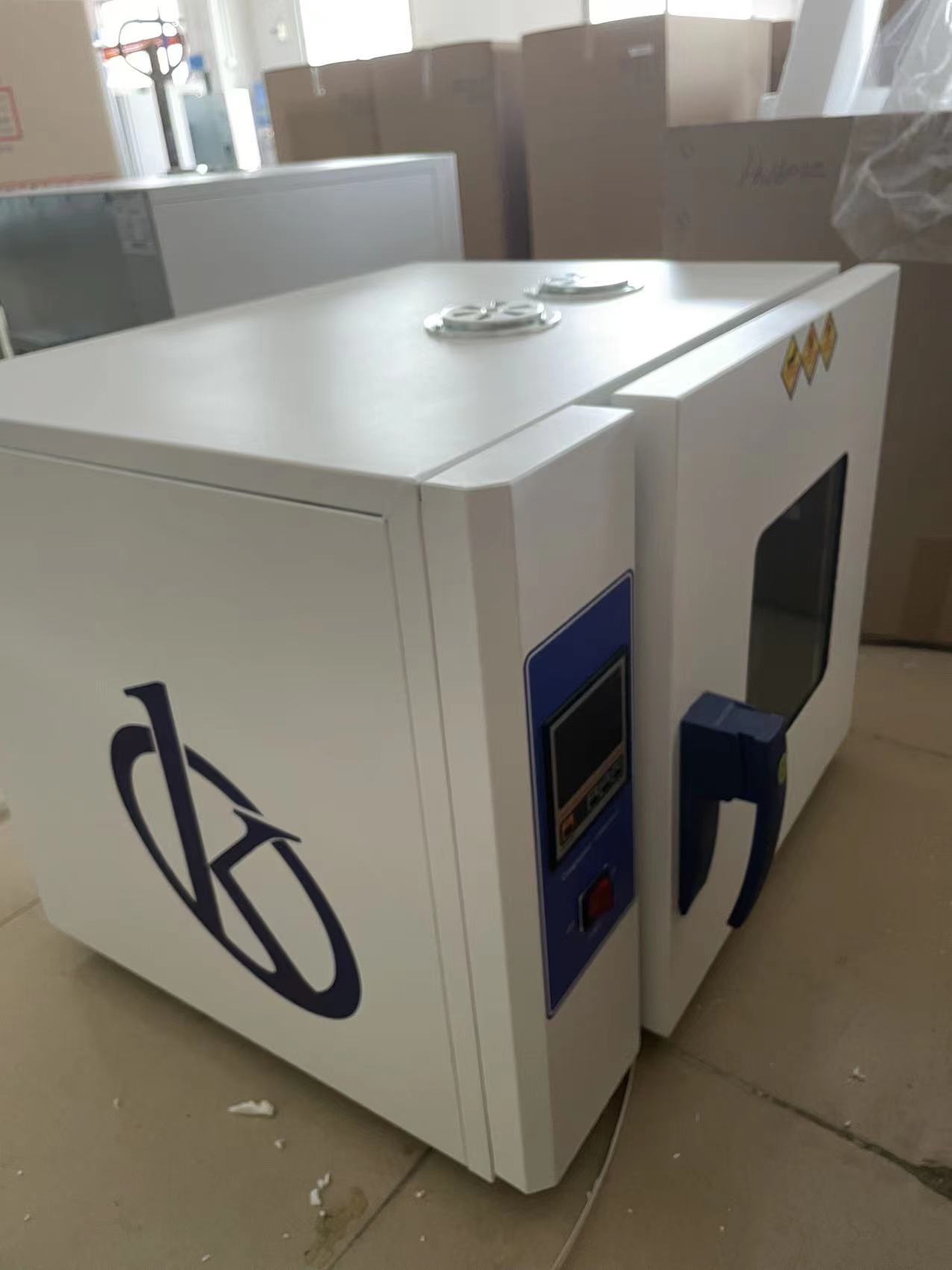
The Vacuum ovens vfor the Development of Natural Medicines
The vacuum ovens is an increasingly common tool in the pharmaceutical industry to facilitate the production of natural medicines from dry ingredients. By allowing controlled drying, the materials are preserved during the process and this results in a better quality final product with a longer shelf life. This technology has become a basic tool for the manufacture of dry extracts, capsules, biscuits, tablets and any other medicinal preparation.
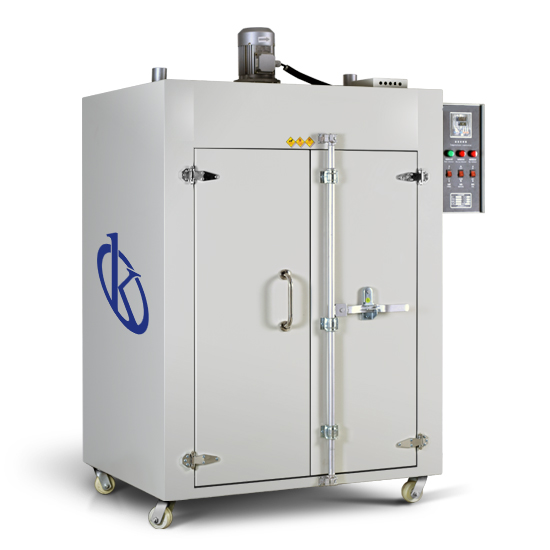
How does the Vacuum ovens work in the Laboratory?
Vacuum ovens are laboratory units used for drying thermosensitive materials, whose temperature extension can eliminate the creation of bacteriological cells, or materials that oxidize under heating. The temperature regulation processes of these units are precise, and the drying mechanisms with turbo function, is shown in its splendor.
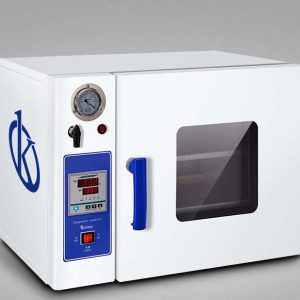
Use of Laboratory Vacuum ovens for Pharmaceutical Sector
The vacuum ovens is a laboratory equipment designed to dry heat-sensitive, comfortably decomposable and complex structure articles of oxidizable materials for fast and efficient emptying. They are also able to disinfect and sterilize glass materials.
stoves offer catalog
Guides about stoves
Complete guides to choose stoves
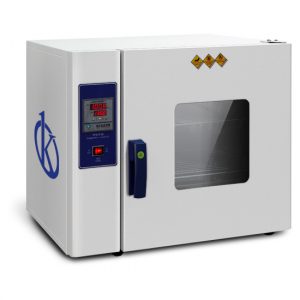
Importance of the ovens for the Agri-Food Industry
The ovens is a laboratory equipment capable of reaching extreme temperatures ranging from 200 ° C to 350 ° C, they are made of stainless steel, with double glass door sealed insulated walls, which favors air circulation. All types of sample
Leer más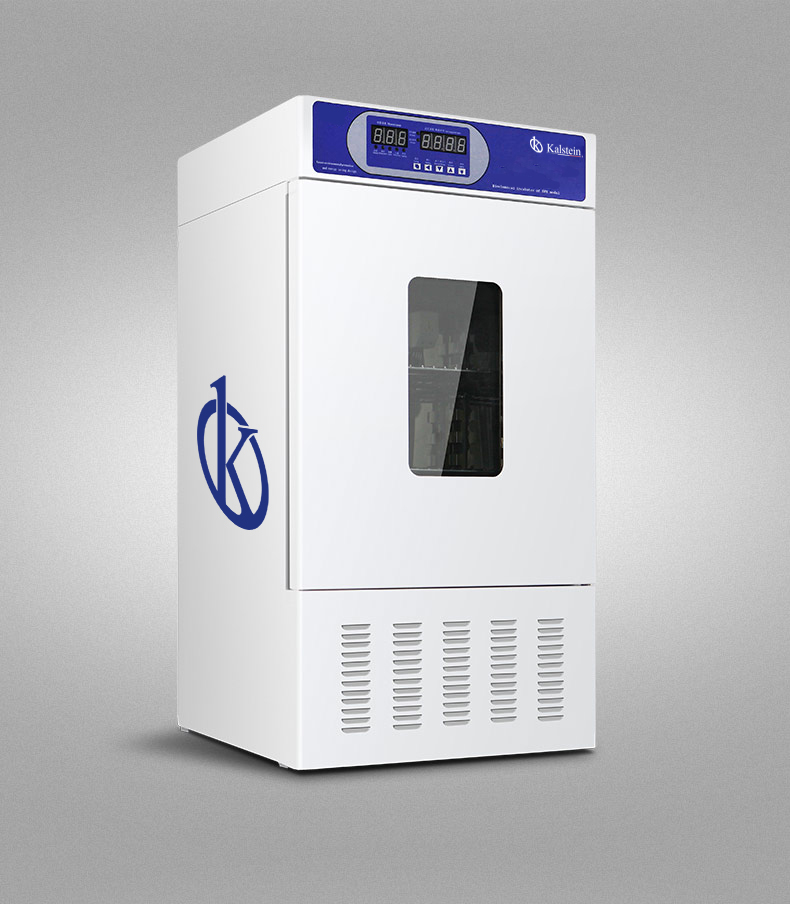
Main differences between a laboratory ovens and a laboratory incubator
Among the great variety of equipment needed to carry out the many activities of a laboratory, we can highlight the use of ovens and laboratory incubators, basic equipment that is often used remove often. Although laboratory ovens and incuba
Leer más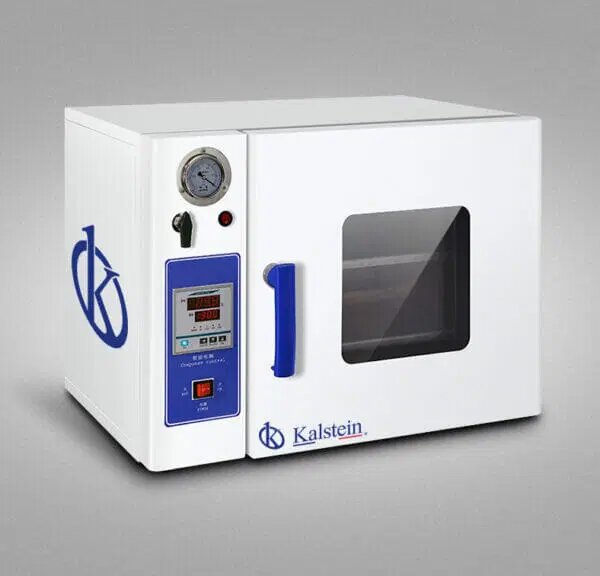
Unique Benefits of Next-Generation Stoves
In a world that constantly pushes the limits of innovation, laboratories are not strangers to these advances. Next-generation laboratory stoves play a crucial role in the progress of science and medicine. These machines, with their optimize
Leer más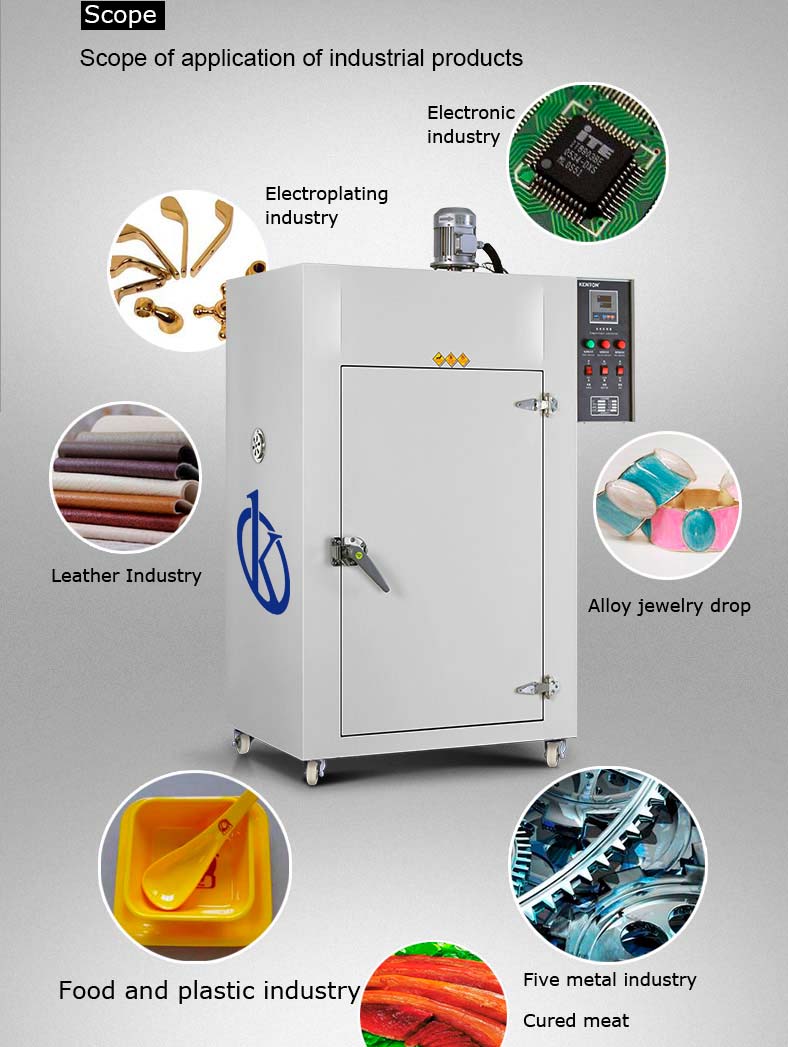
The Ultimate Guide to Laboratory Ovens by Kalstein
Ovens, Kalstein Brand The realm of laboratory equipment is vast, yet one name consistently stands out when it comes to quality and innovation: Kalstein. Their ovens, known for precision and durability, have become essential fixtures in labo
Leer másFrequently asked questions about Stoves
How to know the prices of Stoves?
To know the price of Stoves, please send us an email with your request through the contact form AQUI.
What are the delivery times for Stoves?
Delivery time depends on stock availability and freight type (air or sea). In stock: air 15-30 days, sea 45-60 days. Out of stock: air 30-60 days, sea 60-90 days.
How to make a purchase of Stoves?
You can buy by email ([email protected]), phone (+33 (0) 1 70 39 26 50) or through the official Kalstein website in your country.
How does the warranty work for Stoves?
All Kalstein equipment comes with a 1-year warranty against manufacturing defects. The warranty does not cover damage from improper installation or misuse. See our «terms and conditions» AQUI.
Can I request a quote online for Stoves?
Yes, you can request a quote for the Kalstein equipment you are interested in directly from our official website. Click AQUI.